07 December 2025
Sticky fly traps are widely used in residential, commercial, agricultural, and industrial environments to capture flies and other flying insects. Although their design looks simple, their performance depends on several important components, including the backing material, adhesive layer, release liner, and, in some products, attractants.
For distributors, wholesalers, pest control companies, and commercial buyers, understanding what sticky fly traps are made of is essential when comparing product quality, selecting suitable products, and evaluating suppliers.
In this guide, LIMET explains the main materials used in sticky fly traps, how their adhesive systems work, the differences between common product types, and what buyers should consider before placing an order.
Most sticky fly traps consist of two essential components:
A backing material: Provides structural support and maintains the shape of the trap.
A pressure-sensitive adhesive layer: Captures insects when they land on or come into contact with the sticky surface.
Depending on the product design, additional components may include a protective release paper, hanging structure, printed surface, or insect attractant.
The exact material combination varies according to the intended application, product format, manufacturing process, and target insect.
Unlike electric insect killers, sticky fly traps capture insects through physical adhesion. They do not require electricity to operate.
Understanding the materials is important because each component affects the trap's usability, durability, storage, and overall performance.
The backing material forms the foundation of a sticky fly trap. It supports the adhesive layer and helps the product maintain its intended shape during use.
Common backing materials include:
Paper and Cardboard
Paperboard and cardboard are commonly used in flat sticky fly traps and disposable insect-catching products.
Their main advantages include:
Lightweight and easy to handle.
Suitable for folding and die-cutting.
Convenient for printing product information and branding.
Available in different thicknesses and formats.
The thickness and surface properties of the paperboard can influence the finished product's rigidity and resistance to deformation.
Plastic Film and Plastic Sheets
Some sticky fly traps use plastic-based backing materials.
Depending on the material selected, plastic backing can offer:
Better resistance to moisture than untreated paper.
Flexibility for different product designs.
A smooth surface for adhesive coating.
Suitability for reusable or specialized product structures.
The choice between paper-based and plastic-based backing depends on the product's intended use, cost requirements, and performance expectations.
The adhesive is the most important functional component of a sticky fly trap.
It is generally formulated to remain tacky rather than drying immediately after application. When a fly lands on the adhesive surface, the glue helps prevent it from escaping.
Common adhesive systems used in sticky insect traps include:
Rubber-Based Adhesives
Rubber-based adhesive systems are used in some insect-catching products because they can provide strong initial tack and flexibility.
Their performance depends on the formulation and environmental conditions.
Synthetic Polymer-Based Adhesives
Certain synthetic polymer adhesive systems are also used in sticky traps.
Depending on their formulation, they can provide different combinations of tack, cohesion, flexibility, and temperature resistance.
For commercial buyers, adhesive performance should be evaluated through actual product testing rather than relying only on the adhesive category.
Important factors include:
Initial tack and bonding strength.
Adhesive retention over time.
Resistance to temperature changes.
Performance in humid or dusty environments.
Resistance to adhesive leakage or migration.
The appropriate adhesive formulation depends on the target insect, application environment, and expected service conditions.
Some sticky fly traps include a protective liner covering the adhesive surface before use.
This layer helps prevent unwanted contact with the glue during storage, packaging, and transportation.
Common liner materials include coated paper and other release-treated materials.
The liner is removed before the trap is installed.
Not every sticky fly trap requires a release liner. For example, some hanging fly traps and ready-to-use products have exposed adhesive surfaces protected by their packaging or product structure.
Some sticky insect traps use colors or additional attractants to improve insect attraction.
Yellow is commonly used in insect monitoring products because many plant-related flying insects respond to yellow visual cues.
Certain fly traps may also incorporate attractant ingredients, depending on the target insect and product design.
However, it is important to distinguish between visual attraction and chemical attraction. A yellow sticky trap does not necessarily contain a chemical attractant.
For buyers, the product specification should clearly state whether an additional attractant is included.
The adhesive used in fly traps is generally designed to maintain a sticky surface for insect capture.
Unlike conventional household glue, insect-trap adhesive needs to balance several performance characteristics.
Initial Tack
Initial tack refers to how readily an insect adheres when it first contacts the surface.
Adequate initial tack is essential for capturing insects effectively.
Adhesive Cohesion
Cohesion describes the internal strength of the adhesive layer.
A suitable adhesive should maintain its structure during normal use rather than easily breaking apart or transferring excessively.
Temperature Resistance
Temperature can influence adhesive behavior.
High temperatures may soften certain adhesive formulations, while low temperatures can reduce their tackiness.
Therefore, buyers should consider the expected storage and operating temperature range.
Dust and Environmental Exposure
Dust accumulation can gradually cover the adhesive surface and reduce the available sticky area.
Humidity, airflow, and other environmental factors may also influence product performance.
For industrial and commercial applications, choosing a suitable product for the actual operating environment is more important than simply selecting the strongest adhesive available.
Sticky fly traps work through a straightforward physical capture mechanism.
The process can be divided into three stages:
Step 1: Insect Attraction
Flies enter the area where the trap is installed.
Depending on the product, attraction may involve visual cues, additional attractants, or simply placing the trap in an area where flies are active.
Step 2: Contact with the Adhesive
When a fly lands on or touches the exposed adhesive surface, the adhesive creates a bond with its body or legs.
Step 3: Physical Capture
The adhesive prevents the insect from moving away, allowing it to remain on the trap.
This physical capture mechanism makes sticky traps useful for insect monitoring and supplementary pest management.
However, sticky traps should not be considered a complete replacement for sanitation, exclusion, waste management, and other integrated pest management measures.
Sticky fly traps are available in several formats. Each design serves different placement requirements and applications.
Hanging fly traps provide an exposed adhesive surface designed to capture flying insects from different directions.
They are commonly used in kitchens, restaurants, warehouses, farms, and other locations where hanging installation is convenient.
LIMET offers a 360° Hanging Fly Sticky Trap Catcher, featuring an all-round sticky design and a convenient hanging structure.
Product details:
View LIMET 360° Hanging Fly Sticky Trap Catcher
Disposable fly sticky traps are designed for convenient installation and replacement.
They are suitable for users who prefer a ready-to-use product without complicated assembly.
Typical applications include household kitchens, restaurants, supermarkets, and other commercial environments.
Product details:
View LIMET Disposable Fly Sticky Trap Catcher
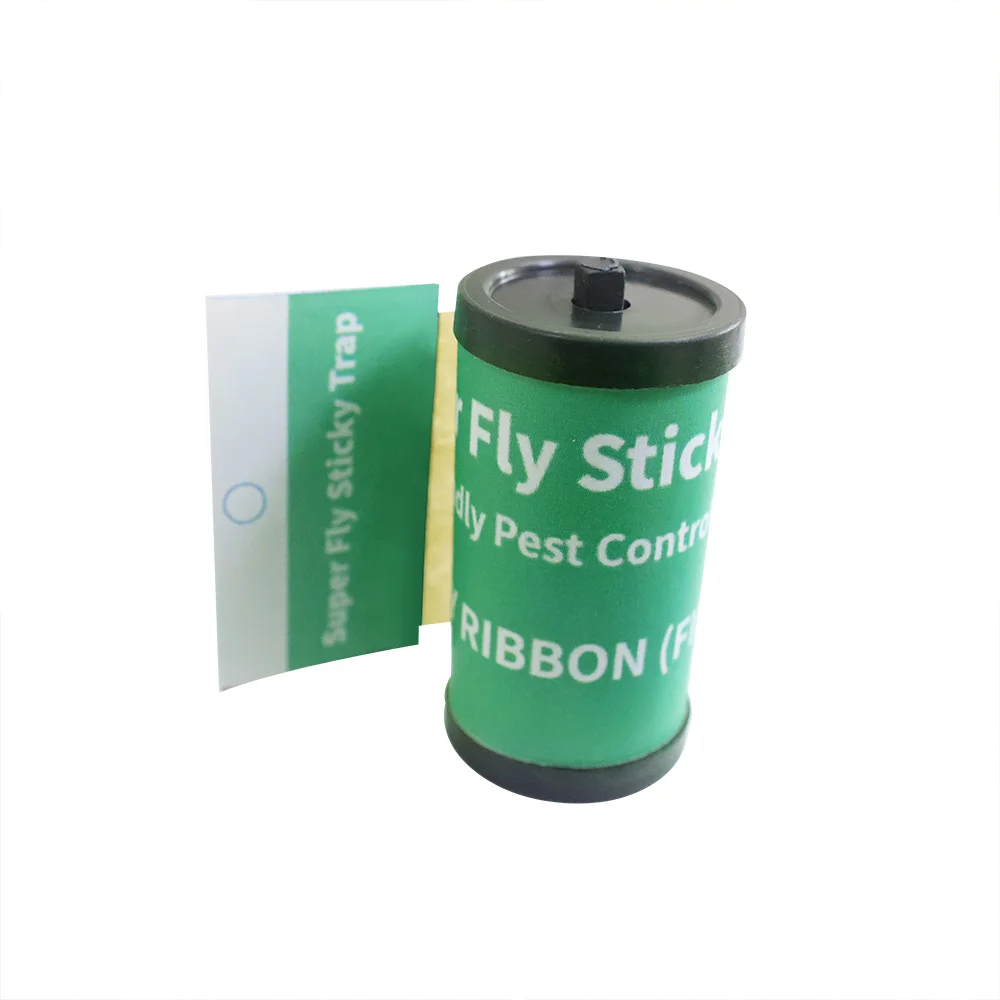
Fly trap glue rolls provide a flexible adhesive format that can be cut or installed according to specific requirements.
They are useful for applications requiring different lengths or placement arrangements.
For distributors and commercial buyers, roll-format products may also provide additional flexibility in packaging and product customization.
Product details:
View LIMET Strong Adhesive Fly Trap Glue Roll
Yellow sticky traps are commonly used for monitoring and capturing small flying insects, particularly in agricultural and horticultural environments.
They are often placed near plants, growing areas, or other locations where flying insect activity needs to be monitored.
The yellow color provides a visual attraction cue for certain insect species.
Buyers should select the trap color and design according to the target insect and intended application.
For importers, wholesalers, retailers, and pest control distributors, selecting the right sticky fly trap involves more than comparing unit prices.
The following factors should be considered.
Ask suppliers about the adhesive's tack, cohesion, and performance under different environmental conditions.
Where possible, request samples for practical testing before confirming a bulk order.
Check the backing material's thickness, rigidity, flexibility, and resistance to deformation.
The material should match the intended product structure and application.
Different customers may require different product sizes and formats.
Consider:
Flat sticky cards.
Hanging fly traps.
Disposable fly-catching products.
Adhesive rolls.
Custom-shaped products.
The dimensions should match the installation environment and intended use.
Packaging plays an important role in protecting sticky products during transportation and storage.
Buyers should confirm:
Whether the adhesive surface is protected.
Whether individual or bulk packaging is available.
Recommended storage conditions.
The manufacturer's stated shelf life.
Whether the packaging supports private labeling.
Shelf life should be confirmed using the actual product specification rather than assumed to be the same for all sticky fly traps.
Professional buyers may require technical documentation before importing or distributing sticky fly traps.
Depending on the product and destination market, relevant documents may include:
Technical Data Sheet (TDS).
Safety Data Sheet (SDS), where applicable.
Product specifications.
Packaging and labeling information.
Applicable test reports or declarations.
Buyers should request product-specific documentation and verify that it matches the actual product being supplied.

Sticky fly traps are used in a wide range of environments.
Food Service and Hospitality
Restaurants, kitchens, hotels, and catering facilities may use sticky fly traps as part of their insect monitoring and control programs.
Traps should be positioned appropriately and away from exposed food, food-contact surfaces, and food preparation activities.
Warehouses and Distribution Facilities
Warehouses and distribution centers may use sticky traps to monitor flying insect activity around doors, windows, storage areas, and other suitable locations.
Agriculture and Greenhouses
Yellow sticky traps are frequently used in greenhouses and agricultural production areas to monitor small flying insects such as whiteflies, aphids, and fungus gnats.
Retail and Commercial Buildings
Shops, supermarkets, and other commercial facilities can use suitable sticky traps as part of routine pest monitoring and management.
The selection and placement of traps should always consider the target insect, environmental conditions, and applicable hygiene requirements.
Proper storage helps maintain the performance of sticky fly traps before use.
Here are some general recommendations:
Store products in their original packaging.
Keep them in a cool, dry environment.
Avoid direct sunlight and excessive heat.
Prevent unnecessary contact with dust and moisture.
Follow the manufacturer's storage and shelf-life instructions.
During operation, replacement frequency depends on several factors:
The number of insects captured.
Dust and dirt accumulation.
Temperature and humidity.
The remaining exposed adhesive area.
The manufacturer's recommendations.
A trap should be replaced when its adhesive surface is heavily covered, contaminated, damaged, or no longer effective.
There is no single replacement interval suitable for every application.
Most sticky fly traps consist of a backing material, such as paperboard or plastic, coated with a pressure-sensitive adhesive. Some products also include release liners, protective packaging, or additional attractants.
Sticky fly traps generally use specially formulated pressure-sensitive adhesives. Depending on the manufacturer and product design, these may be rubber-based or synthetic polymer-based formulations.
Sticky traps use physical adhesion to capture insects rather than relying on insecticide spraying. However, the exact formulation and any additional ingredients vary by product. Buyers should check the product specifications and relevant safety documentation.
Not necessarily. Some traps rely mainly on exposed adhesive surfaces and visual attraction, while others may incorporate additional attractants. This depends on the product design.
Their effective service life depends on adhesive formulation, environmental conditions, insect activity, and dust accumulation. Buyers should follow the manufacturer's instructions and replace traps when the adhesive surface is no longer effective.
Many sticky trap suppliers can discuss customization options, depending on the product and production requirements. These may include dimensions, colors, packaging, printing, and private labeling. Buyers should confirm the available options and minimum order quantities with the supplier.
Yes, suitable sticky fly traps can be used in warehouses, commercial kitchens, agricultural facilities, and other industrial or commercial environments. Product selection and placement should be based on the target insect and the specific conditions of the facility.
Understanding what sticky fly traps are made of helps buyers make better purchasing decisions.
The backing material determines the product's structure, while the adhesive layer provides the essential insect-catching function. Additional features, such as protective liners, colors, and attractants, depend on the product design.
For professional buyers, the most important considerations are adhesive performance, material quality, product format, packaging, and reliable technical specifications.
At LIMET, we provide a range of physical pest control products, including hanging fly sticky traps, disposable fly traps, and adhesive fly trap rolls.
We work with international distributors, wholesalers, retailers, and brand owners to discuss product specifications, packaging requirements, and customized supply solutions.
Looking for a reliable sticky fly trap supplier?
Contact LIMET to discuss your product requirements, wholesale orders, and OEM/ODM opportunities.
Website: https://www.lmtrapx.com/
Email: sales@lmtrapx.com
Apr 03, 26
Snap Rat Traps for Sale: Reliable Solutions for Rodent Control
Rodent infestations can quickly escalate from a minor inconvenience to a serious problem, affecting hygiene, safety, and property value.

Feb 04, 26
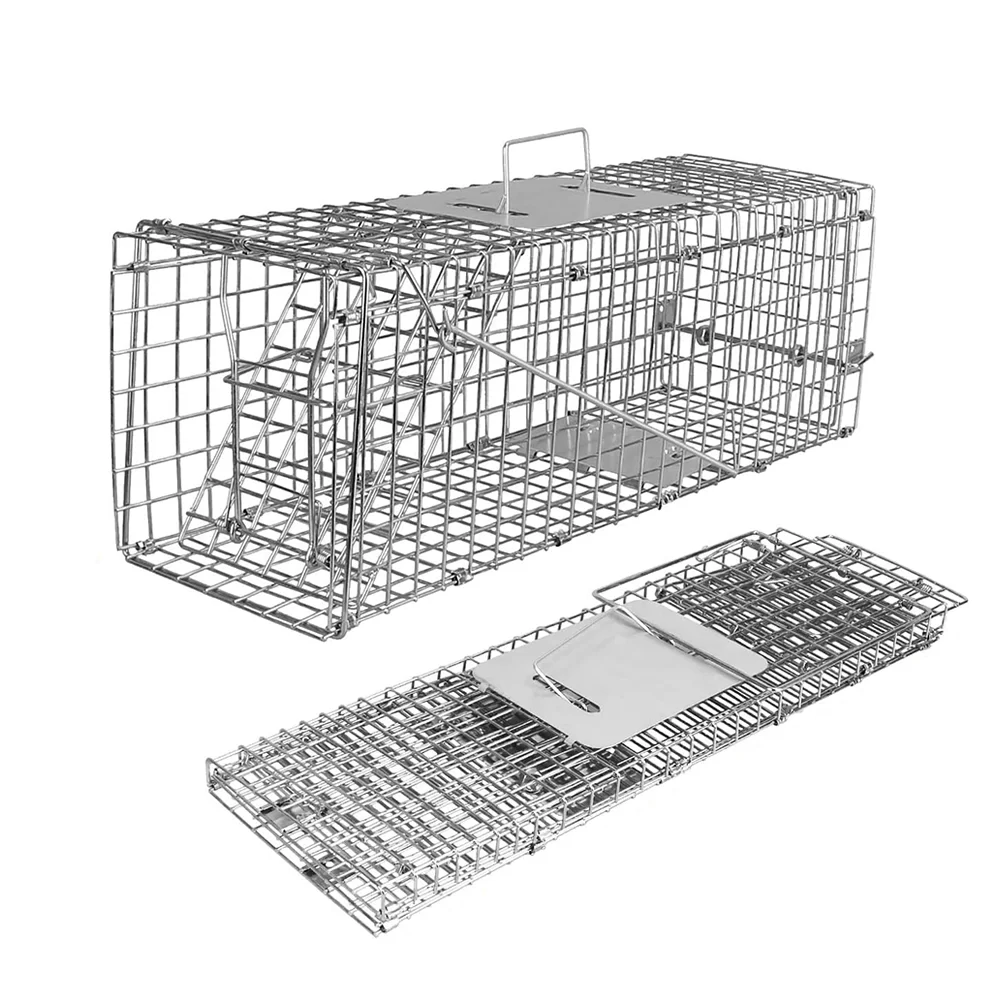
Animal Traps for Sale: Wholesale Live Animal Trap Cage Guide
Explore live animal traps, cage materials, sizes and buying considerations. Discover wholesale animal trap cages with OEM and ODM customization options from LIMET.

Feb 03, 26
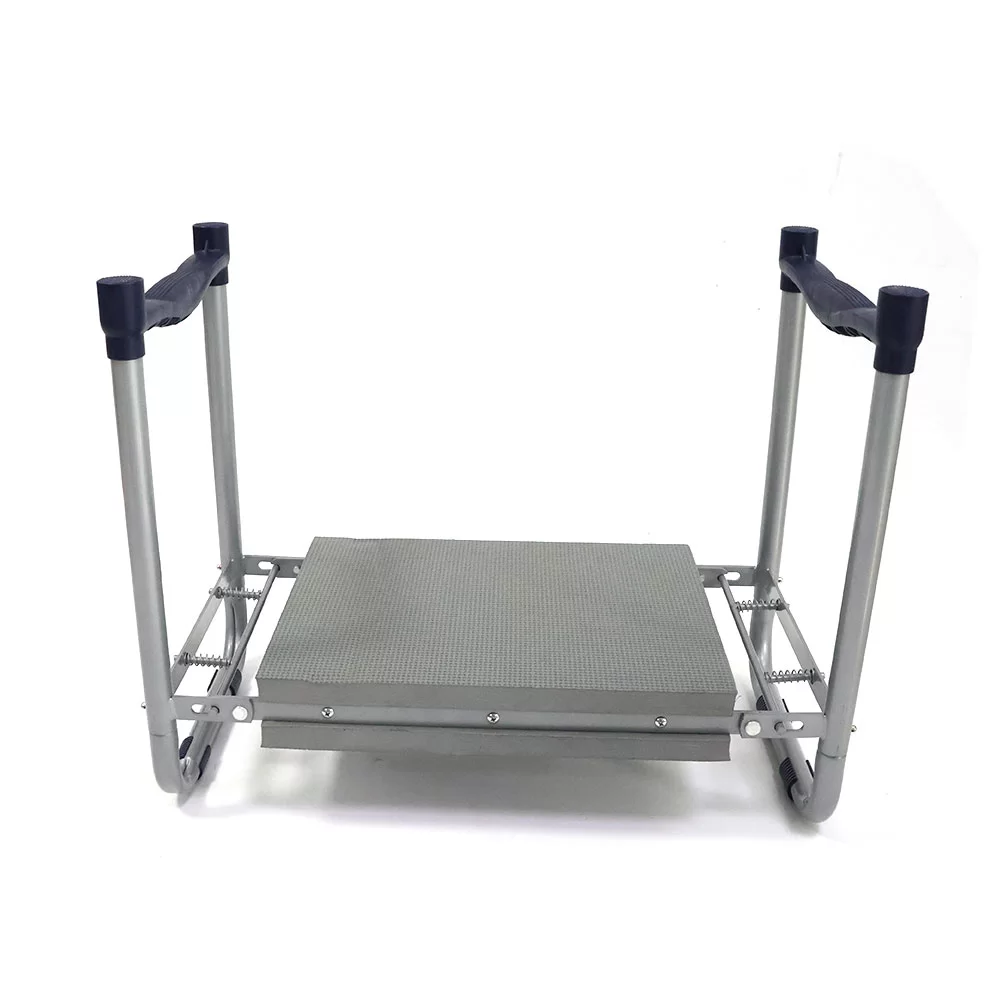
The Benefits of a Garden Kneeling Pad with Handles for Comfortable Gardening
Aug 11, 25
Anti-Mouse Spikes: Physical Barriers for Eco-Conscious Prevention
Anti-mouse spikes represent a non-invasive defense against rodent intrusion. These metal or plastic strips feature sharp protrusions that deter climbing without causing harm.