Finding the right animal traps for sale requires more than comparing prices. For wholesalers, distributors, retailers and pest control professionals, the most important considerations include trap construction, material quality, dimensions, target animal size and long-term usability.
Live animal trap cages are widely used for capturing small and medium-sized wildlife where live capture is preferred over lethal control methods. They are commonly considered for managing unwanted animal activity around gardens, farms, residential properties, warehouses and other outdoor environments.
Unlike disposable pest control products, metal animal trap cages are designed for repeated use when properly maintained. Their durability, practical design and reusable construction make them an important product category for professional wildlife management suppliers.
In this guide, LIMET explains the different types of live animal trap cages, important material and size considerations, and what wholesale buyers should evaluate when selecting an animal trap supplier.
Live animal traps are devices designed to capture animals without intentionally killing them during the trapping process.
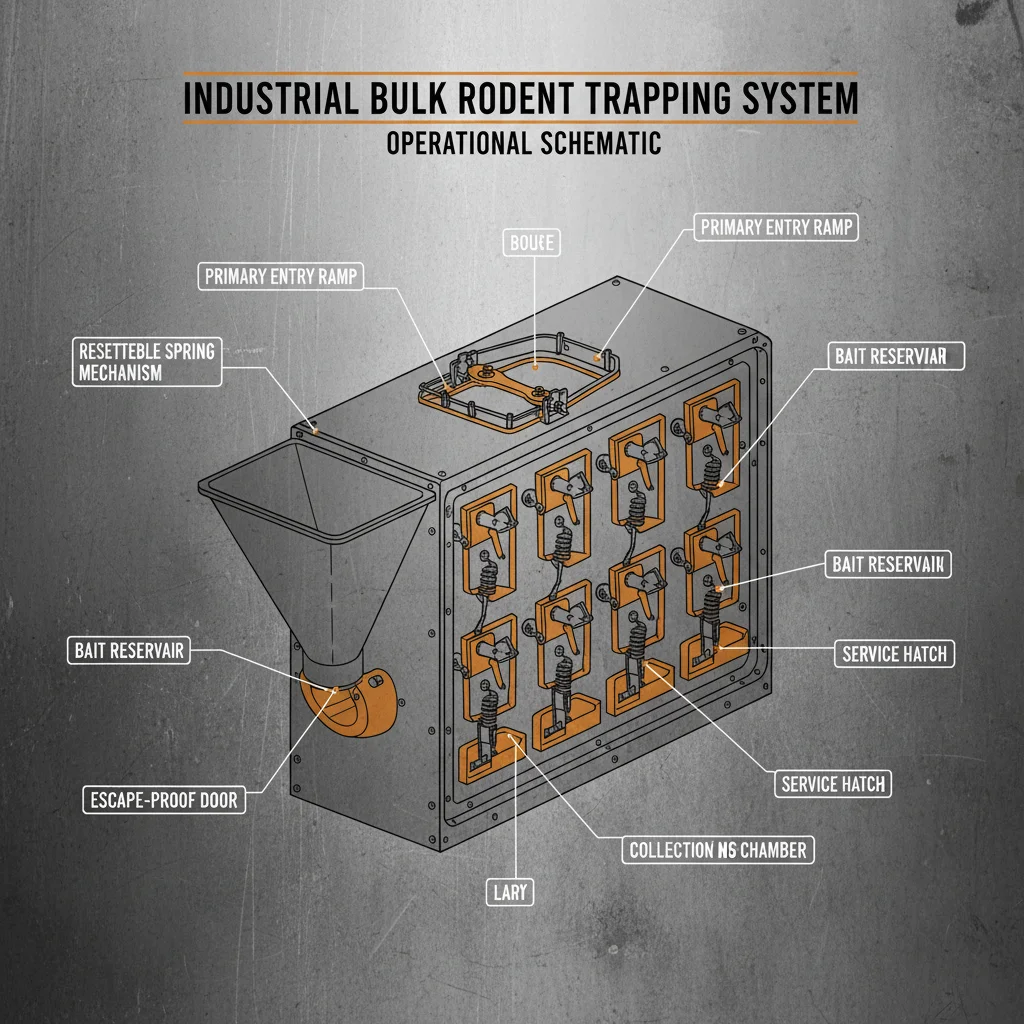
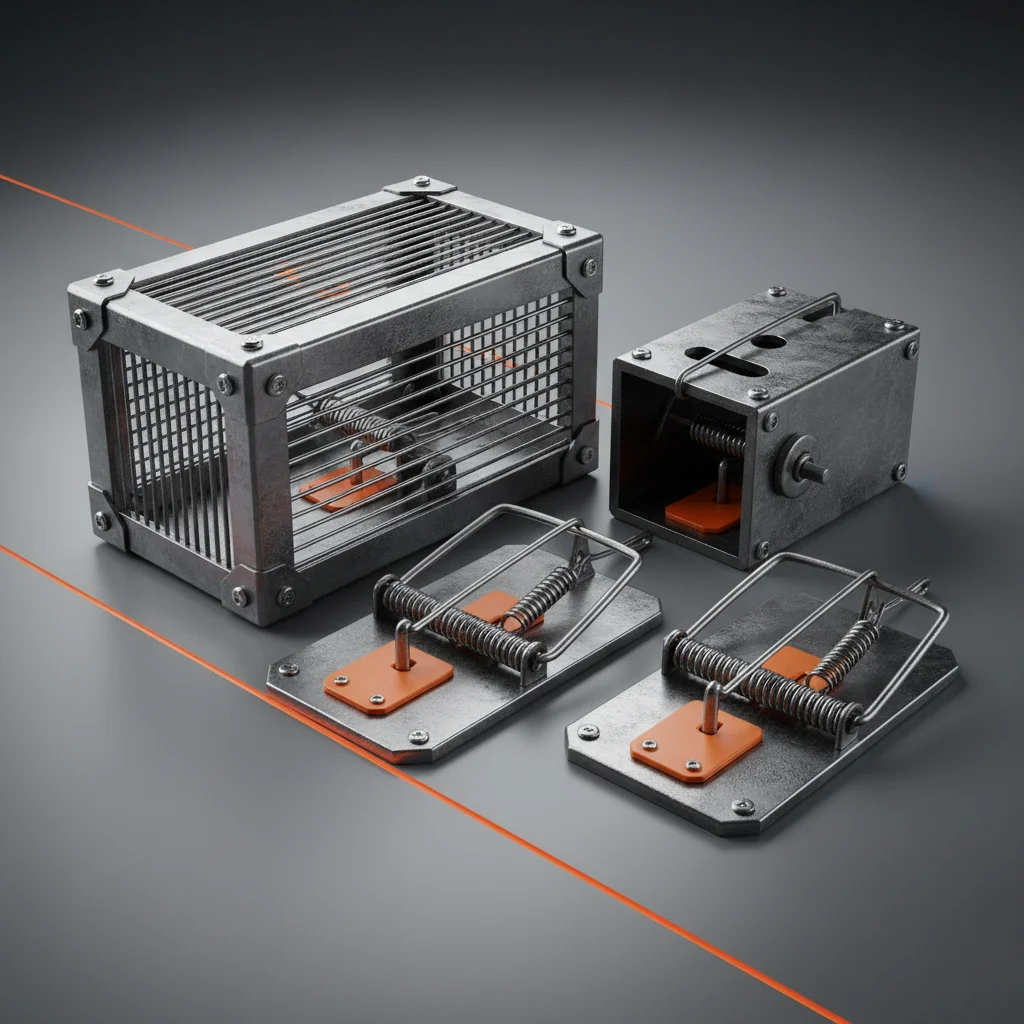
Metal wire cage traps are one of the common designs. They typically consist of a metal frame, wire mesh walls, an entrance mechanism and a trigger system.
When an animal enters the cage and activates the trigger mechanism, the entrance closes, containing the animal inside.
Compared with disposable trapping products, reusable metal cage traps offer several practical advantages:
Reusable construction: Designed for repeated use with appropriate inspection and maintenance.
Durable materials: Metal wire structures provide a practical balance of strength and usability.
Visible capture: The cage structure allows users to check whether an animal has entered.
Multiple applications: Different cage dimensions can accommodate different target animals.
Flexible sourcing: Available in different sizes, designs and packaging configurations.
However, live trapping requires responsible handling. Users should check traps frequently, follow applicable wildlife regulations and arrange appropriate handling or release according to local requirements.
Choosing the right animal trap starts with understanding the target animal and the environment in which the trap will be used.
Different animals have different body sizes, movement patterns and entry behaviors. Therefore, one cage design is not necessarily suitable for every application.
Squirrel traps are commonly used around gardens, roofs, attics and other areas where squirrels may cause unwanted damage.
A suitable squirrel cage should provide sufficient internal space for the target animal while maintaining a stable frame and properly functioning entrance mechanism.
Important considerations include:
Appropriate cage length and opening dimensions.
Strong wire construction.
Reliable trigger sensitivity.
Stable placement on the ground or another suitable surface.
Raccoons are larger and generally stronger than squirrels, so their traps require more attention to structural strength and internal dimensions.
When selecting a raccoon trap, buyers should consider:
Larger cage dimensions.
Strong wire mesh and frame construction.
Secure connections between structural components.
A properly designed entrance and locking mechanism.
A cage intended for smaller animals should not automatically be used for raccoons.
Rabbit traps are used in certain agricultural and residential wildlife management applications.
The cage should provide enough internal room for the target animal and allow it to enter without unnecessary obstruction.
Buyers should pay attention to the entrance dimensions, cage length and overall structural stability.
Skunk trapping requires additional consideration because of the animal's defensive behavior.
Trap selection should account for the animal's size, the cage design and the intended handling procedure.
Users should also check local wildlife regulations before trapping and handling skunks.
Fox traps generally require larger and more robust cage structures.
For this category, important purchasing considerations include:
Overall cage dimensions.
Wire thickness and structural strength.
Frame stability.
Entrance design.
Corrosion resistance.
The exact specifications should be selected according to the target species and applicable local requirements.
Mouse live traps are designed for smaller animals and are generally more compact than wildlife cage traps.
They are used in residential, commercial and storage environments where users prefer a reusable live-capture option.
When comparing mouse live traps, consider the entrance size, trigger mechanism, ventilation and ease of inspection.
Not every animal trap is suitable for every situation. Before purchasing, buyers should evaluate several important factors.
The first consideration is the animal being targeted.
A squirrel, rabbit, raccoon and fox have significantly different physical characteristics. Selecting an appropriately sized cage helps avoid problems caused by insufficient internal space or an unsuitable entrance.
Cage dimensions directly affect the types of animals that can be accommodated.
Common cage lengths available in certain animal trap product ranges include:
| Cage Length | General Consideration |
|---|---|
| 24 inches | Compact cage applications |
| 26 inches | Small cage applications |
| 31 inches | Medium cage applications |
| 37 inches | Larger cage applications |
| 42 inches | Extended cage applications |
| 59 inches | Extra-long cage applications |
These are examples of available size options, not universal specifications for particular animal species. Buyers should confirm the width, height and entrance dimensions of each model before ordering.
The trigger mechanism is an important component of a live animal cage.
A practical mechanism should operate consistently and allow the entrance to close properly when activated.
When evaluating a supplier, ask about:
Trigger structure.
Door operation.
Mechanism sensitivity.
Inspection and maintenance requirements.
The installation location also influences the choice of cage.
Outdoor applications may expose traps to rain, moisture, soil and changing temperatures. In these environments, corrosion resistance and structural stability become particularly important.
For residential or garden use, buyers may also consider ease of placement, inspection and transportation.

Material quality is one of the most important factors affecting the durability and usability of metal animal traps.
Galvanized steel wire is commonly used in metal animal trap cage construction.
The zinc coating helps protect the underlying steel against corrosion, making it suitable for many outdoor applications.
When evaluating galvanized wire cages, buyers should consider:
Wire diameter.
Mesh opening dimensions.
Coating consistency.
Welded joint quality.
Overall frame stability.
The wire mesh forms the main body of the cage.
A well-constructed mesh structure should provide sufficient rigidity for its intended application while maintaining appropriate ventilation and visibility.
The mesh opening should also be suitable for the target animal.
The frame and connection points influence the overall stability of the cage.
Poorly finished joints or weak connections may affect product durability and door operation.
For wholesale buyers, inspecting production samples before placing large orders is a practical way to evaluate construction quality.
For importers, distributors, retailers and private-label brands, purchasing animal traps involves more than choosing an individual product.
A reliable sourcing decision should consider the following factors.
A supplier offering multiple cage sizes and configurations can make it easier for buyers to develop a complete product range.
For example, distributors may need compact squirrel cages as well as larger wildlife trap models.
Consistency matters when placing repeat orders.
Buyers should evaluate whether the supplier can maintain stable product dimensions, wire construction, welding quality and finishing standards across different production batches.
Animal trap cages may have different packaging requirements depending on their dimensions and shipping method.
Before ordering, confirm:
Individual product packaging.
Carton dimensions.
Products per carton.
Gross and net weight.
Export packaging requirements.
Proper packaging helps reduce transportation damage and supports efficient warehouse handling.
Private-label buyers may require customized packaging, product labels or other product modifications.
Before placing an OEM or ODM order, discuss the following:
Logo and label requirements.
Packaging artwork.
Product dimensions.
Minimum order quantity.
Sample approval.
Production lead time.
These details should be confirmed before mass production.
Choosing the right supplier is just as important as choosing the right animal trap.
Here are several questions worth asking before establishing a long-term purchasing relationship.
1. Does the supplier offer multiple cage sizes?
A broader product selection can help distributors serve different customer segments.
2. Can the supplier provide product specifications?
Request detailed dimensions, wire specifications, materials and packaging information.
3. Are samples available?
Samples allow buyers to evaluate product construction, door operation and overall quality before placing bulk orders.
4. Does the supplier support OEM and ODM?
For brands and distributors, customization can help differentiate products in competitive markets.
5. Can the supplier support repeat orders?
Stable specifications and clear communication are important for long-term cooperation.
Comparing suppliers based on these factors provides a more useful purchasing reference than looking at unit price alone.
LIMET specializes in physical pest control solutions and animal repellent products, serving international customers with practical products for pest and wildlife management.
Our animal trap cage product range focuses on reusable metal cage designs for different small and medium-sized animals.
Key product considerations include:
Galvanized steel wire construction.
Multiple cage length options.
Different cage configurations for different applications.
Product and packaging customization.
OEM and ODM cooperation opportunities.
Available cage lengths include selected models of 24, 26, 31, 37, 42 and 59 inches. Actual specifications depend on the product model.
For wholesalers, distributors, importers and private-label brands, LIMET can discuss product specifications, packaging requirements and order details according to individual purchasing needs.
Whether you are expanding an existing pest control product range or developing a new animal trap category, selecting the right specifications is an important first step.
Visit the LIMET official website to learn more about our product range and business.
A live animal trap is designed to contain an animal without intentionally killing it during capture. A lethal trap is designed to kill the animal. Metal cage traps are commonly used when live capture is preferred.
Depending on their dimensions and design, live animal cage traps may be used for squirrels, rabbits, raccoons, skunks, foxes and other appropriately sized animals.
The selected cage must be suitable for the target species and comply with local wildlife regulations.
Galvanized steel wire is a common material because its zinc coating helps protect the steel against corrosion.
Wire diameter, mesh size, welding quality and frame construction should also be considered.

The correct size depends on the target animal's body dimensions and the trap design.
Buyers should compare cage length, width, height and entrance dimensions rather than selecting a trap based on length alone.
Many metal cage traps are designed for repeated use. However, their service life depends on material quality, environmental exposure, handling and maintenance.
Inspect the frame, mesh, connections and trigger mechanism before each use.
Customization options depend on the supplier and product model. Common discussions include cage dimensions, structural details, labels and packaging.
Wholesale buyers should confirm available options and minimum order quantities before placing an order.
Ask the supplier about product dimensions, materials, wire specifications, packaging, minimum order quantities, sample availability and customization options.
These details help buyers compare products and avoid misunderstandings during bulk purchasing.
Choosing the right animal traps for sale requires a clear understanding of target animals, cage dimensions, materials and intended applications.
For wholesale buyers, product consistency, supplier reliability, packaging and customization capabilities are equally important.
Metal live animal trap cages remain a practical option for customers looking for reusable wildlife capture products.
LIMET provides animal trap cage solutions for international buyers seeking different sizes, product configurations and OEM/ODM cooperation.
Contact LIMET to discuss your animal trap cage requirements and wholesale purchasing needs.


The LIMET Editorial Team writes and reviews the buyer guides published by
Hebei Limet Industrial Co., Ltd., an integrated manufacturer of pest control
products and household items founded in 2019 in Hebei, China. Every
specification, packaging quantity and ordering detail we publish is checked
against factory records before release, so the figures buyers rely on match
what ships. We cover animal traps, glue boards, bird spikes and netting, snake
tongs and garden items, and we answer sourcing and documentation questions
directly at sales@lmtrapx.com.