Understanding Yellow Sticky Bug Tape: Uses, Benefits, and Industry Insights
If you’ve ever wondered how pest control in homes or agricultural fields gets a subtle yet powerful helping hand, yellow sticky bug tape might just be the unsung hero behind the scenes. This simple-looking strip isn’t glamorous, but its importance — across industries and continents — is undeniable. Especially when insect outbreaks threaten public health, crops, or stored goods, this sticky solution offers a straightforward and chemical-free way to capture and monitor bugs with ease.
Globally, pest management impacts risk reduction in food security and disease control. The World Health Organization estimates millions affected annually by insect-borne diseases, and commercial farming faces yield losses worth billions due to pests. Yellow sticky bug tape plays a quiet but effective part of this challenge by offering a low-cost, scalable monitoring and trapping method. Understanding its benefits and practical application enriches how industries and communities respond to these ongoing concerns.
What Exactly Is Yellow Sticky Bug Tape?
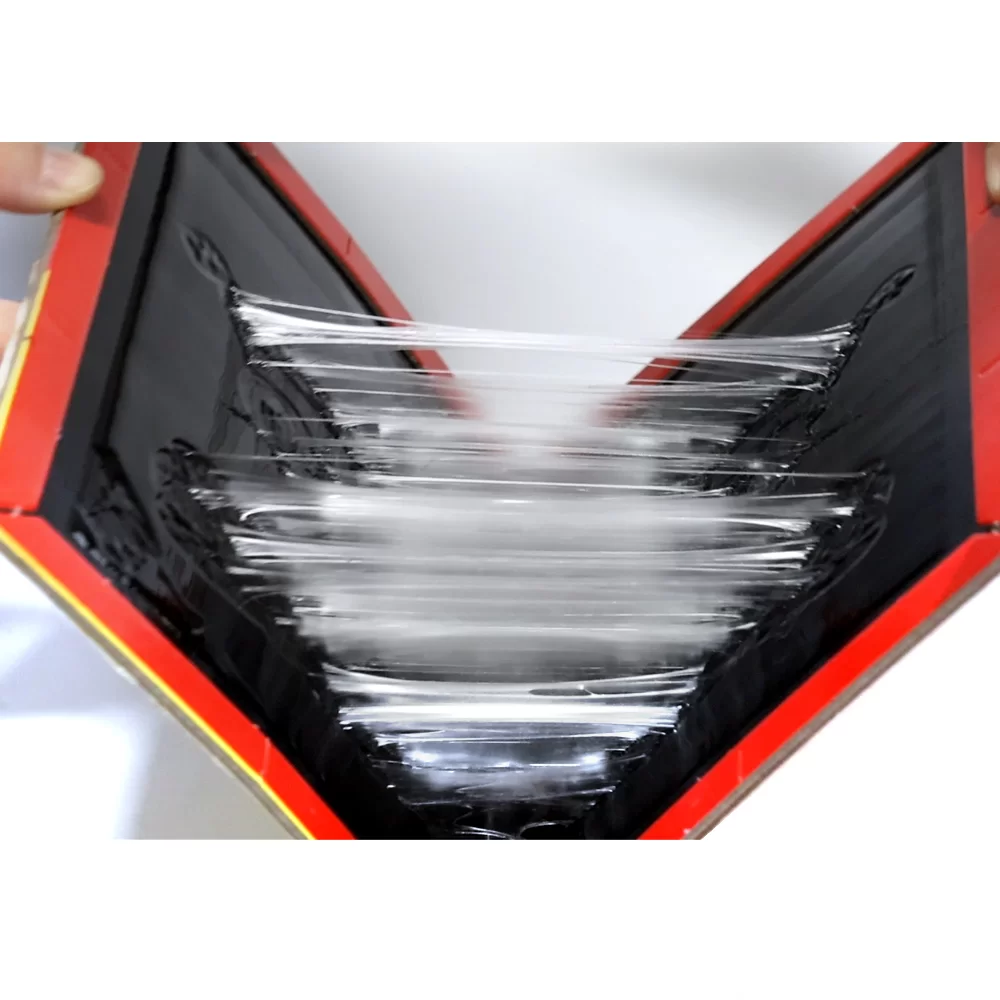
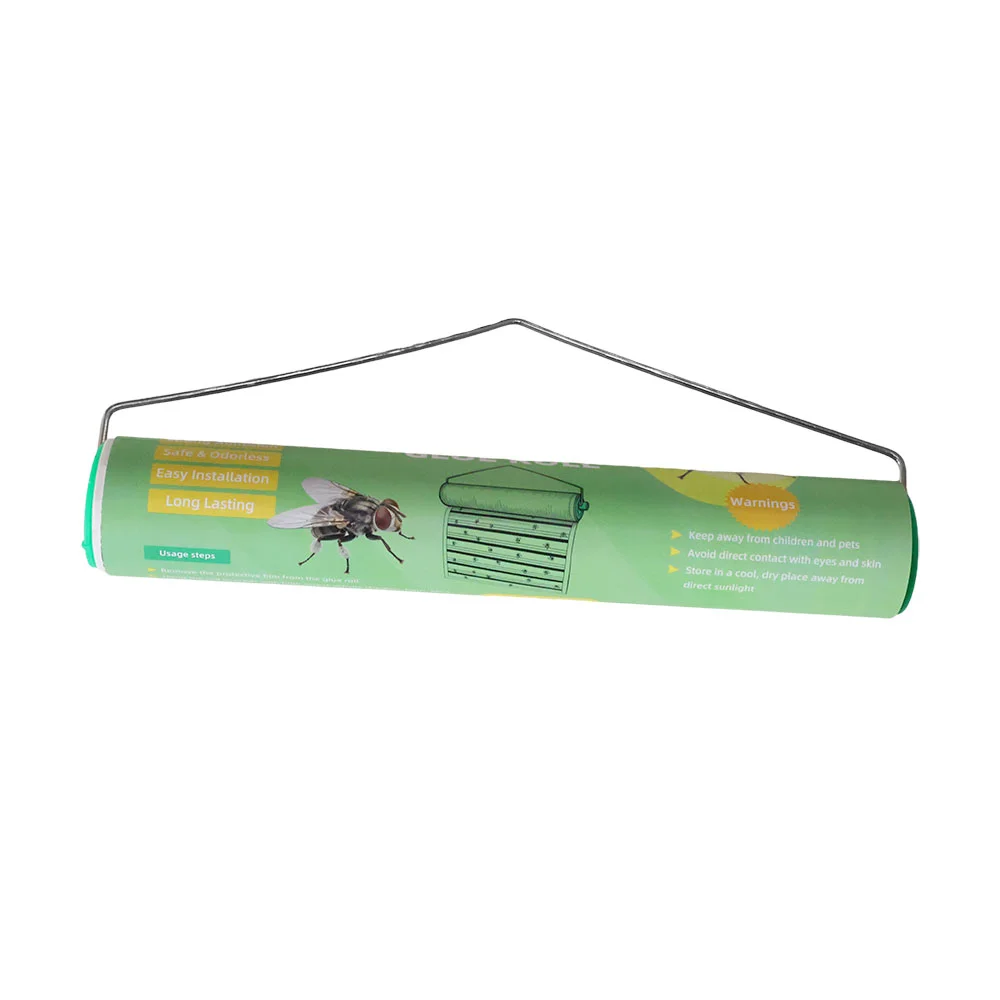
In the simplest terms, yellow sticky bug tape is a strip of bright yellow adhesive material designed to attract and trap flying or crawling insects. Its yellow color is no accident: many insects are naturally drawn to it. The tape’s sticky surface catches bugs on contact, making it a non-toxic alternative to chemical treatments that might harm the environment or non-target species. These tapes are used both indoors and outdoors, from home kitchens and warehouses to large-scale agricultural operations and even humanitarian settings.
Because yellow sticky bug tape is passive but effective, it's become a staple in integrated pest management. NGOs distributing supplies in malarial or dengue-prone regions also find it invaluable since it requires no power source or specialized application skills.
Key Factors Behind Yellow Sticky Bug Tape’s Effectiveness
1. Durability and Adhesion
Good bug tape holds strong adhesive through varying temperatures and humidity. This ensures long-lasting trapping without losing stickiness or becoming brittle. Manufacturers often improve this by using UV-resistant materials that keep the tape from fading or weakening under sun exposure.
2. Attractiveness to Target Bugs
The characteristic yellow is known to lure aphids, whiteflies, gnats, and many other pests. Oddly enough, it tricks insects into thinking it’s a flower or safe landing spot. This natural lure boosts trapping efficiency without additional chemicals.
3. Ease of Deployment and Scalability
Users can hang or fix strips inside greenhouses, warehouses, or homes — sometimes in large quantities. This modular approach suits both small-scale gardeners and industrial farmers alike.
4. Cost Efficiency
Compared to synthetic pesticides or mechanical traps, sticky tapes are inexpensive and disposable. This makes them especially attractive for organizations with tight budgets but urgent pest control needs.
5. Environmental Impact
Free of poisons or sprays, these tapes reduce ecological disruption. They fit well within sustainable agricultural standards like those outlined by ISO 14001 environmental management frameworks.
Where and How Yellow Sticky Bug Tape Is Making a Difference
In real terms, yellow sticky bug tape is everywhere:
- Agriculture: Used in orchards and vegetable farms to monitor infestations early and reduce crop damage.
- Food storage and shipping: Warehouses and shipping containers use it to trap insect invaders without contaminating goods.
- Residential pest control: Homes and offices deploy it to catch nuisance flies or gnats inside rooms or near plants.
- Humanitarian aid: Post-disaster zones prone to mosquito outbreaks utilize these strips to help control vector populations without complex infrastructure.
For example, in Southeast Asia, many rural clinics rely on passive insect traps like yellow sticky bug tape as a frontline defense against dengue-carrying mosquitoes, given limited resources. Meanwhile, Californian vineyards incorporate these traps into integrated pest management to reduce pesticide use and protect beneficial insects.
Advantages and Long-Term Impact
The immediate benefits of yellow sticky bug tape are obvious: it’s straightforward, affordable, and non-toxic. But the long-term value resonates on multiple levels:
- Cost savings by reducing pesticide expenses and crop losses.
- Sustainability through lowered chemical footprints and better ecosystem health.
- Safety and dignity by providing communities with easy-to-use pest control that requires no special training.
- Reliability and trust in consistent performance under diverse conditions.
Plus, there’s something reassuring about knowing a product you place on your windowsill or among plants won't cause secondary contamination. It feels like a small step toward a more harmonious coexistence with nature’s realities.
Emerging Trends and Innovations
Looking forward, innovations are sprouting in materials technology and digital monitoring linked to yellow sticky bug tape. Researchers are experimenting with biodegradable adhesives and tapes made from recycled plastics — addressing the disposal concerns in large-scale usage. Meanwhile, coupling sticky tape with smart sensors or visual recognition software is becoming feasible, allowing remote pest population tracking and better-informed pest control decisions.
These trends echo the broader movements toward eco-friendly pest control aligned with green energy policies and digital agriculture. Automation in tape placement or automated bug counting might sound futuristic now, but they're just around the corner.
Current Challenges and How Experts Address Them
Yellow sticky bug tape is not without limitations. Sometimes non-targeted insects get trapped, or the tape’s stickiness can degrade in very wet or dusty environments. Also, it merely traps and monitors rather than eradicating pests, so users must combine its use with other control tactics.
Experts suggest rotating trap placements, regular replacement, and using trap colors alongside yellow sticky tapes to target different insect types. Additionally, integrating these tapes into comprehensive pest management plans maximizes effectiveness and sustainability.
Practical FAQs About Yellow Sticky Bug Tape
| Question |
Answer |
| How long does yellow sticky bug tape remain effective outdoors? |
Typically, it remains sticky for about 2 to 4 weeks depending on weather conditions. Harsh sun or moisture may require more frequent replacement. |
| Can yellow sticky tape trap all types of bugs? |
It’s most effective against flying and crawling insects attracted to yellow, like aphids and whiteflies, but less so for insects that don't respond to color cues. |
| Is it safe to use around kids and pets? |
Yes, since it contains no toxic chemicals, it is generally safe. Still, keep it out of reach to prevent accidental sticking. |
| How do I dispose of used sticky tape responsibly? |
Wrap it in paper or plastic before disposal, especially to prevent accidental contact with trapped insects. Check if biodegradable options are available in your area. |
Yellow Sticky Bug Tape Product Specifications
| Feature |
Details |
| Tape Color |
Bright Yellow (UV stabilized) |
| Length |
10 meters (standard roll) |
| Width |
5 cm |
| Adhesive Type |
Non-toxic, pressure sensitive |
| Weather Resistance |
UV and moisture resistant (4 weeks typical) |
| Disposal |
Non-biodegradable/Some biodegradable options |
Comparing Leading Vendors of Yellow Sticky Bug Tape
| Vendor |
Price Range |
Adhesive Quality |
Environmental Certification |
Additional Features |
| EcoTrap Supplies |
$8–$12 per roll |
High tack, lasts 4 weeks |
ISO 14001 compliant |
Biodegradable tape option |
| InsectGuard Co. |
$5–$9 per roll |
Medium tack, lasts 3 weeks |
No certification |
Standard yellow tape only |
| GreenFields |
$10–$15 per roll |
Ultra-strong adhesive, 5+ weeks |
Eco-label certified |
UV protection; digital tracking system |
To sum up, yellow sticky bug tape is more than just a sticky strip; it’s a tiny but mighty tool that blends clever biology with practical pest control needs. In a world where sustainable solutions become ever more urgent, it’s refreshing to have a product that’s as approachable as it is effective.
If you want to explore trusted products and learn more about selecting the right yellow sticky bug tape for your needs, visit yellow sticky bug tape. They offer expert guidance along with quality choices for practically any pest challenge.
Remember, managing pests isn’t just about removal but understanding the ecosystem of insects around us—and sometimes that starts with a simple, yellow strip.
Mini takeaway: Yellow sticky bug tape combines accessibility, cost-effectiveness, and sustainability, making it a cornerstone for integrated pest management globally.
References:
- WHO Vector-Borne Diseases Factsheet
- ISO 14001 Environmental Management Standards
- Pest Control - Wikipedia