Sticky Tape for Gnats: A Simple Solution with Global Reach
So, sticky tape for gnats might sound like a small thing, but oddly enough, it addresses a surprisingly large challenge worldwide. Gnats and other tiny flying insects aren’t just pesky—they can seriously affect agriculture, indoor environments, food storage, and even public health in many regions. Understanding this humble product helps industries and households control these nuisances efficiently without relying heavily on chemicals.
In fact, with rising global emphasis on sustainable pest control, sticky tapes for gnats are gaining traction as an eco-friendly and practical solution.
Introduction: Why Sticky Tape for Gnats Matters Globally
Gnats and similar insects are found almost everywhere but can be especially problematic in tropical and subtropical climates. According to the United Nations Food and Agriculture Organization (FAO), insect-borne crop loss amounts to billions annually. While sticky traps are one piece of the puzzle, sticky tape for gnats offers a targeted, low-cost method to reduce infestations in homes, greenhouses, food production facilities, and public spaces.
Interestingly, countries with warmer climates or dense urban centers often see more issues with gnats indoors. Sticky tape provides a non-toxic way to mitigate discomfort and limit secondary problems like allergic reactions or contamination.
What Is Sticky Tape for Gnats?
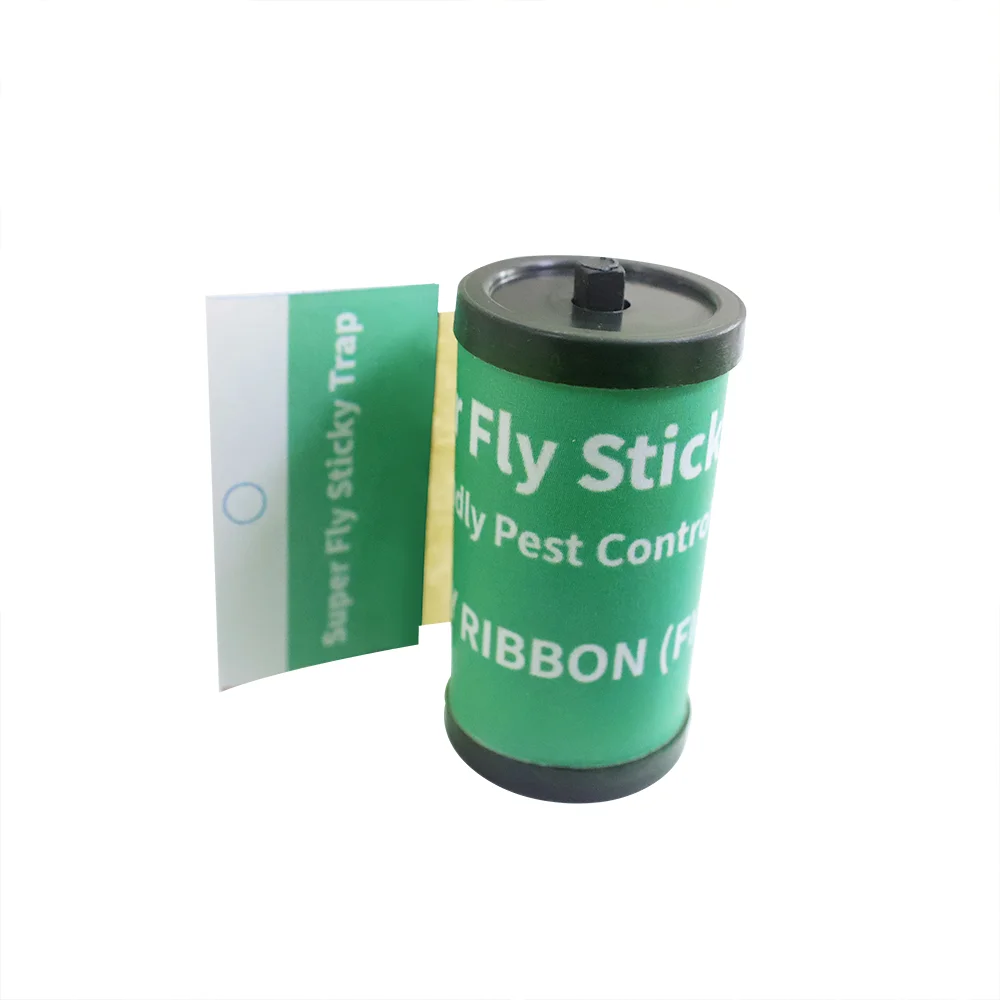
At its core, sticky tape for gnats is a narrow strip coated with a non-drying adhesive that traps tiny flying insects on contact. It’s simple, really—a passive trapping device that appeals to insects’ natural flight paths. Unlike sprays or foggers, it doesn't release any chemicals into the air, which is especially important in sensitive environments like hospitals, schools, and food production areas.
This product is a small but crucial tool in integrated pest management (IPM), where reduction of chemical pesticides is key.
Key Factors to Consider in Sticky Tape for Gnats
1. Adhesive Quality and Durability
The sticky surface needs to stay effective over time, resisting dust and humidity, while remaining tacky enough to trap gnats. Poor adhesive means lost effectiveness and waste, so this is a make-or-break feature.
2. Safety and Non-toxicity
Putting sticky tape in homes and food areas calls for adhesives free of harmful solvents or chemicals. Manufacturers tend to use food-safe, environmentally friendly compounds nowadays.
3. Ease of Use and Deployment
Since users range from farmers to restaurant managers to households, the tape must be easy to hang, replace, and dispose of. Compact rolls or self-adhesive backings help.
4. Cost Efficiency
Sticky tape for gnats should provide good value: lasting weeks or months and covering large surface areas without frequently needing replacement.
5. Environmental Impact
Biodegradable or recyclable tapes edge out competitors, meeting growing consumer and regulatory demands for sustainability.
Sticky Tape for Gnats: Product Specification Snapshot
| Feature |
Specification |
| Tape Width |
25 mm – 50 mm |
| Length per Roll |
5 m – 20 m |
| Adhesive Type |
Non-toxic, pressure-sensitive |
| Shelf Life |
Up to 2 years (unopened) |
| Operating Temperature |
5°C to 40°C |
| Environmental Claims |
Biodegradable options available |
Global Applications and Real-World Use Cases
- Agriculture: Farmers use sticky tape to trap gnats near crops to prevent infestation and reduce pesticide use.
- Food Processing Facilities: Maintaining hygiene with chemical-free pest control ensures safety and compliance.
- Hospitals & Schools: Providing a safe environment by controlling indoor gnats and flies without irritating chemicals.
- Urban Homes: Sticky tapes are increasingly common in apartments and houses, especially in warmer climates prone to insect activity.
- Post-disaster Relief: In refugee camps or disaster zones, where insect-borne diseases spike, sticky tapes help control nuisance insects visibly and affordably.
For example, in Southeast Asia, sticky tape helps protect tropical vegetable crops from gnat-borne fungal infections, boosting yield by up to 15% according to some local studies.
Advantages and Long-Term Value
What really sells sticky tape is its balance of cost, simplicity, and safety. Financially, you avoid expensive chemical sprays and the need for protective gear or ventilation during treatment. Environmentally, using sticky tape means fewer synthetic pesticides polluting waterways and soil. There's also the psychological comfort knowing your family or colleagues aren't breathing harmful fumes.
Long-term, it helps build a habit of preventative, sustainable pest control. For businesses, it fosters trust with customers by ensuring food and product safety in a transparent way.
Innovations & Future Trends
Speaking of the future, sticky tape for gnats is evolving with advances in materials science. New adhesive formulas resist dust and humidity longer, and manufacturers are exploring biodegradable substrates made from plant fibers. Some research even points toward integrating pheromones or natural attractants on tape surfaces to increase capture rates.
There's also talk about smart sticky tapes embedded with sensors to count trapped insects and send data to mobile apps—a neat twist to classic insect control. All this aligns with broader sustainability trends and digital transformation sweeping many industries.
Challenges and Solutions
Sticky tape is not a silver bullet. Some challenges include its limited effectiveness in very large outdoor spaces or heavy infestations. Also, placement and maintenance play a huge role—if the tape gets dusty or ignored, it won’t work well. Luckily, education and better product design (like dust-resistant coatings) help mitigate these issues.
Meanwhile, combining sticky tape with other IPM strategies, like biological controls or good hygiene, creates a more robust approach.
Sticky Tape for Gnats: Vendor Comparison
| Vendor |
Adhesive Type |
Environmental Claims |
Average Cost per Roll |
Global Availability |
| GreenTrap Co. |
Plant-based Glue |
Certified Biodegradable |
$12 |
North America, Europe |
| EcoStick Solutions |
Non-toxic Synthetic |
Recyclable Backing |
$9 |
Asia, Australia |
| StickPro Inc. |
Standard Pressure-sensitive |
No environmental claims |
$7 |
Global |
FAQs About Sticky Tape for Gnats
- How long does sticky tape for gnats remain effective once deployed?
- Generally, sticky tape lasts between 2 to 6 weeks depending on environmental factors like dust, humidity, and sunlight exposure. Replacing it timely keeps trapping efficiency high.
- Can sticky tape be used safely around children and pets?
- Yes, sticky tape for gnats typically uses non-toxic adhesives and doesn’t release fumes, making it safe when placed out of reach. Still, supervision is advised to avoid accidental contact.
- Is sticky tape for gnats a good alternative to insecticides?
- For small-scale or indoor use, sticky tape is a great eco-friendly alternative. However, for large infestations or outdoors, it’s best combined with other pest management tactics.
Check out integrated sticky tape for gnats solutions for effective results.
- Where is sticky tape for gnats most commonly used?
- Highly humid or warm areas, food processing sites, greenhouses, and residential homes in temperate climates are the most frequent users of sticky tape for gnats.
Conclusion & Next Steps
To wrap it up, sticky tape for gnats stands out as a versatile, affordable, and environmentally friendly option for managing those pesky insects. Its simplicity is its strength, offering a chemical-free way to keep homes, farms, and industries cleaner and safer.
Curious to learn more or ready to make a change? Visit our website: https://www.hbarcherfish.com to explore trusted sticky tape solutions and expert advice.
Everyone worth a good pest solution knows: sometimes small fixes pack the biggest punch.
References
- Food and Agriculture Organization of the United Nations (FAO)
- Pest Control - Wikipedia
- International Organization for Standardization (ISO)