Understanding Anti Cat Prickle Strips: What They Are and Why They Matter
Across the world, urban spaces, commercial properties, and even residential areas increasingly wrestle with the challenge of unwelcome feline visitors. While this may seem like a niche concern, the presence of stray or feral cats can cause sanitation issues, damage property, and lead to stress for both animals and humans alike. Enter anti cat prickle strips, a surprisingly effective and humane tool designed to deter cats from climbing or resting on specific surfaces.
In this article, we’ll unpack what anti cat prickle strips are, why they’ve become globally relevant, and what benefits they offer—both in practicality and animal welfare. If you’re a property manager, business owner, or just curious about humane animal control solutions, this piece will shine some light on an often overlooked product with worldwide implications.
The Global Context: Why Anti Cat Prickle Strips Are Gaining Traction
It might sound odd to talk about a product designed specifically for cats as an international concern, but the rising global urbanization trend means more shared spaces—and more conflicts between humans and animals. According to the World Bank, by 2050 nearly 70% of the world's population will live in urban areas, escalating these interactions.
Globally, unmanaged cat populations have been linked to damage to wildlife, property, and even public health concerns. According to various studies, including some referenced by the United Nations' Environment Programme (UNEP), solutions that balance animal welfare with human needs are critical. Anti cat prickle strips are one of these nuanced answers: they provide a non-lethal, humane deterrent that reduces the risk of disease, nuisances, and structural damage.
To put it bluntly, they help communities coexist with their feline neighbors on better terms. So even if it sounds niche, their significance is growing in tandem with urban population density and a sharper focus on sustainable coexistence with animals.
What Exactly Are Anti Cat Prickle Strips?
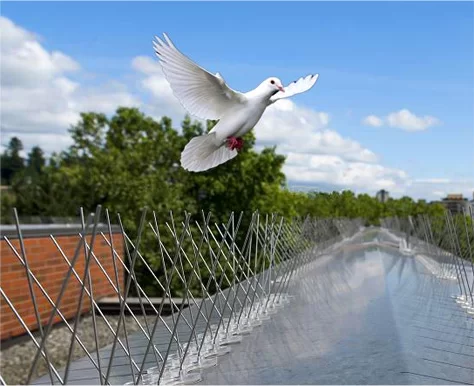
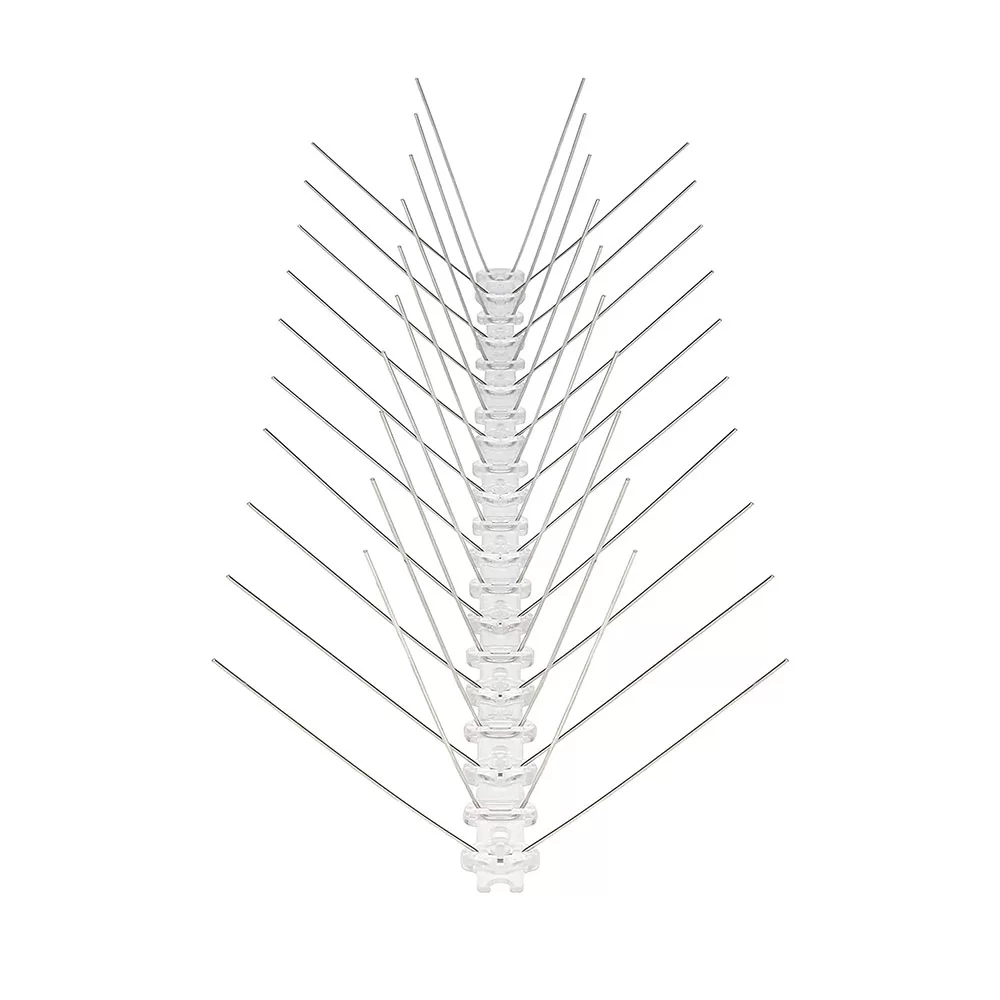
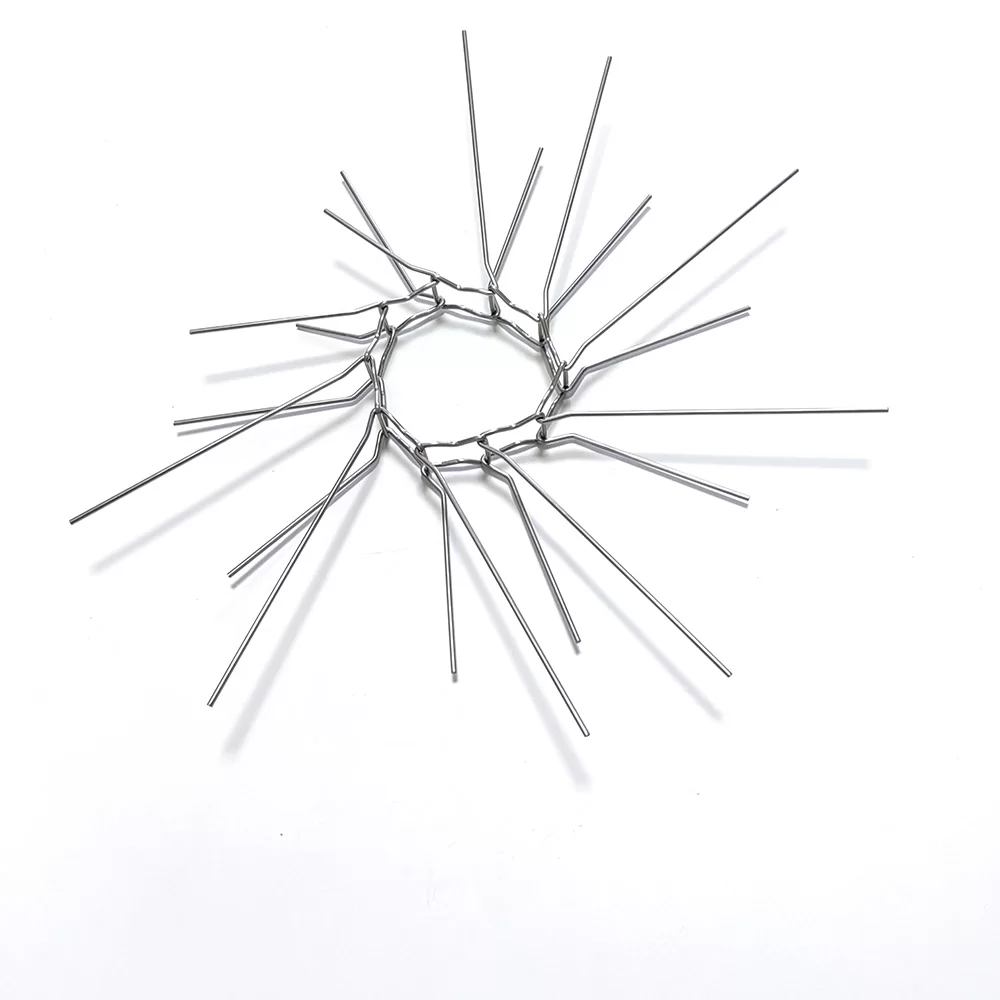
At their core, anti cat prickle strips are simple physical barriers designed to discourage cats from settling, climbing, or jumping onto protected surfaces—think fences, window sills, ledges, or garden walls. Picture strips embedded with small, evenly spaced plastic or rubber spikes that are uncomfortable—but not harmful—to the touch. They’re easy to install and, importantly, safe for animals, making them a preferred choice over more aggressive deterrent methods.
This design borrows from similar concepts used to deter birds or even urban pests but is specifically calibrated for a cat’s comfort threshold and behavior patterns. In industries ranging from municipal management to residential security, these strips are gaining favor as an effective element of humane animal control.
Key Features of Anti Cat Prickle Strips
1. Durability and Weather Resistance
Since most installations happen outdoors, durability is non-negotiable. Quality anti cat prickle strips are made from UV-stabilized plastics or sturdy rubber compounds that resist cracking, fading, and brittleness even after prolonged exposure to sun, rain, or frost.
2. Easy Installation and Adaptability
One of the product’s strong points is how straightforward it is to deploy. Whether glued, nailed, or mounted with screws, the strips can conform to corners, curve along fences, or line edges with minimal fuss. Many manufacturers offer customizable lengths and widths that fit a range of surfaces.
3. Humane Deterrence
Unlike spikes designed for security against people, anti cat prickle strips are calibrated to be uncomfortable but not injurious. This reflects growing awareness around animal rights and ethical pest control measures, making them socially and legally sensible solutions.
4. Cost Efficiency
In the long run, these strips provide a low-maintenance, relatively low-cost deterrence—especially versus repeated cleaning, pest control, or structural repairs caused by stray cats.
5. Environmental Considerations
Some manufacturers now incorporate recycled plastics or eco-friendly materials, aligning with broader sustainability goals—a nice touch for communities aiming to reduce plastic waste.
Global Applications and Who’s Using Anti Cat Prickle Strips
Anti cat prickle strips see varied use across continents. In Europe, they're common around heritage buildings to prevent cats from perching on delicate ledges. In Australia, municipalities use them in urban parks to protect bird habitats, indirectly controlling feline traffic. Asian mega-cities adopt them along public transit hubs and commercial rooftops, where stray cat populations can be large and difficult to manage humanely.
Industrial parks and warehouses in North America have also incorporated these strips to reduce cat-related pest issues. Some animal welfare organizations deploy them in parallel with Trap-Neuter-Return (TNR) programs, helping redirect cats away from sensitive areas without harm.
One particularly interesting use case was in Barcelona, where city planners installed anti cat prickle strips on key public monuments, maintaining cleanliness without sacrificing animal welfare. It’s a reminder that conflict resolution between humans and animals often requires thoughtful design.
Advantages and Long-Term Value
- Cost-effectiveness: Low upfront investment and minimal upkeep compare favorably to other deterrents.
- Humane and ethical: Avoids injury and respects animal behavior.
- Sustainability: Durable materials and newer green options help reduce environmental footprint.
- Adaptability: Suitable for commercial, municipal, and residential scales.
- Reduced maintenance: Less cleaning and fewer repairs mean saved labor costs.
Ultimately, anti cat prickle strips aren’t just about stopping a cat in its tracks; they’re about creating spaces where humans and animals coexist without unnecessary conflict or harm. Many community managers stress the peace of mind that comes with this balance—something that’s tough to quantify but noticeable.
Innovations on the Horizon
The future of anti cat prickle strips is surprisingly dynamic. Advances in biodegradable polymers mean next-gen strips could decompose safely at end-of-life, tackling plastic pollution concerns. There’s also talk about integrating smart sensors that detect pressure or motion to trigger gentle sound deterrents (ultrasound, for example), adding a tech layer to this low-tech physical approach.
Moreover, customizable designs with modular, interlocking panels could simplify installation even further, especially for uneven surfaces. Given global pushes toward sustainability and animal welfare, I expect this market to become more refined and specialized in the coming years.
Common Challenges & How to Overcome Them
Of course, no solution is without hiccups. Some users report that prickle strips can be a visual eyesore or disrupt decorative aesthetics. To address this, manufacturers now offer neutral colors or transparent designs that blend better with surroundings.
Another challenge is that highly determined or agile cats may sometimes circumvent strips by leaping over them or accessing adjacent spaces. Combining prickle strips with other humane methods—such as motion-activated sprinklers or scent deterrents—often delivers better results.
Finally, poor installation can limit effectiveness. So, patience and proper mounting are key. Many vendors provide detailed guides or on-site consultation to help get this right first time.
FAQ: Frequently Asked Questions About Anti Cat Prickle Strips
- 1. Are anti cat prickle strips harmful to cats?
- No. These strips are designed to create an uncomfortable surface without causing injury. The spikes are soft or rounded to prevent harm, allowing humane deterrence.
- 2. How long do anti cat prickle strips typically last outdoors?
- When made from UV-stabilized materials, most strips last 3-5 years under normal weather conditions. Maintenance and installation quality also affect lifespan.
- 3. Can these strips be installed on curved or uneven surfaces?
- Yes, many brands offer flexible or segmented strips that can adapt to curves and angles, making them versatile for different applications.
- 4. Are there eco-friendly options for these strips?
- Increasingly yes. Some manufacturers use recycled or biodegradable materials to reduce environmental impact while maintaining durability.
- 5. How do I choose the right supplier for anti cat prickle strips?
- Prioritize vendors with positive user reviews, warranties, and responsive customer support. Consider shipping logistics if ordering internationally.
Anti Cat Prickle Strips Specification Table
| Specification |
Typical Range |
Remarks |
| Material |
UV-Stabilized Polypropylene / Thermoplastic Rubber |
Durable for outdoor exposure |
| Spike Length |
15-25 mm |
Optimal for deterrence without harm |
| Strip Length |
300-1000 mm |
Varies by product |
| Color Options |
Clear, Black, Green, Brown |
Designed to blend with surfaces |
| Installation |
Adhesive, Screw, Nail Fixings |
Depends on surface type |
Vendor Comparison: Popular Anti Cat Prickle Strip Suppliers
| Vendor |
Price Range (per meter) |
Material Quality |
Eco-Friendly Options |
Customer Service |
Global Shipping |
| StripSafe Co. |
$8 - $12 |
High-grade polymer |
Yes (recycled plastic) |
Excellent |
Worldwide |
| UrbanGuard Solutions |
$6 - $10 |
Standard thermoplastic |
Limited |
Good |
North America, Europe |
| EcoSpike Inc. |
$10 - $15 |
Biodegradable composites |
Yes (fully biodegradable) |
Very Good |
Selective global regions |
Wrapping Up: Why Consider Anti Cat Prickle Strips?
When you boil it down, anti cat prickle strips represent a thoughtful, humane response to a surprisingly wide-ranging urban issue. They’re practical, affordable, and increasingly eco-conscious, fitting nicely into global shifts toward coexistence with urban wildlife. For property owners or planners facing cat-related challenges, these strips offer a no-fuss, long-term solution that respects animal welfare.
Interested in learning more or exploring high-quality products? Please visit our website at https://www.hbarcherfish.com to dive deeper into product options and expert advice.
Sometimes the smallest tools can make the biggest difference in balancing city life—from keeping our properties clean to protecting animals. Anti cat prickle strips certainly fit that bill.
Mini Takeaways:
- Anti cat prickle strips play an important role in humane animal deterrence worldwide.
- Their durability, ease of installation, and ethical design appeal to a broad range of users.
- Ongoing innovations link sustainability and technology for smarter, greener solutions.
References:
- World Bank - Urban Population Statistics
- UN Environment Programme - Wildlife and Urbanization
- Wikipedia - Human–animal conflict