Understanding Plant Gnat Traps: Why They Matter Globally
At first glance, a plant gnat trap might seem like a small, even trivial tool, but it plays an outsized role in plant health worldwide. These tiny insects, often mistaken for harmless nuisances, can wreak havoc on agriculture, horticulture, and the wellbeing of indoor and outdoor plants. Globally, plant gnat infestations cause billions in crop losses each year, contributing to both economic and food security concerns. Understanding how plant gnat traps work, their key advantages, and their role in sustainable pest management can help growers, gardeners, and industries reduce pesticide use and protect yields more safely and effectively.
A plant gnat trap isn’t just a bug zapper — it’s a targeted, eco-friendly approach to pest control that balances practicality with planetary responsibility. Oddly enough, these simple devices play a tiny but important part in the global puzzle of food production and environmental stewardship.
Plant Gnat Trap in the Global Context: A Growing Challenge
Across the globe, the United Nations estimates that pests contribute to roughly 20-40% of crop losses annually (FAO 2023). Among these, certain flies from the fungus gnat family (Bradysia species) have surged in significance, particularly in greenhouse operations and indoor vertical farms. The rise of controlled environment agriculture has ironically created ideal breeding grounds for fungus gnats, with moist soil and warm temperatures.
What’s tricky is that not only do these gnats damage plant roots and seedlings during their larval stage, but they also facilitate the spread of harmful fungal diseases. This combination directly threatens global food supply stability. The increasing global demand for pesticide-free, organic produce further complicates conventional chemical pest control approaches.
Enter the plant gnat trap. It’s a specialized device to monitor and reduce gnat populations without the collateral damage tied to toxic sprays. As sustainability becomes a priority worldwide and regulations tighten, these traps grow from pest control tools to vital allies in environmentally responsible agriculture.
What Is a Plant Gnat Trap?
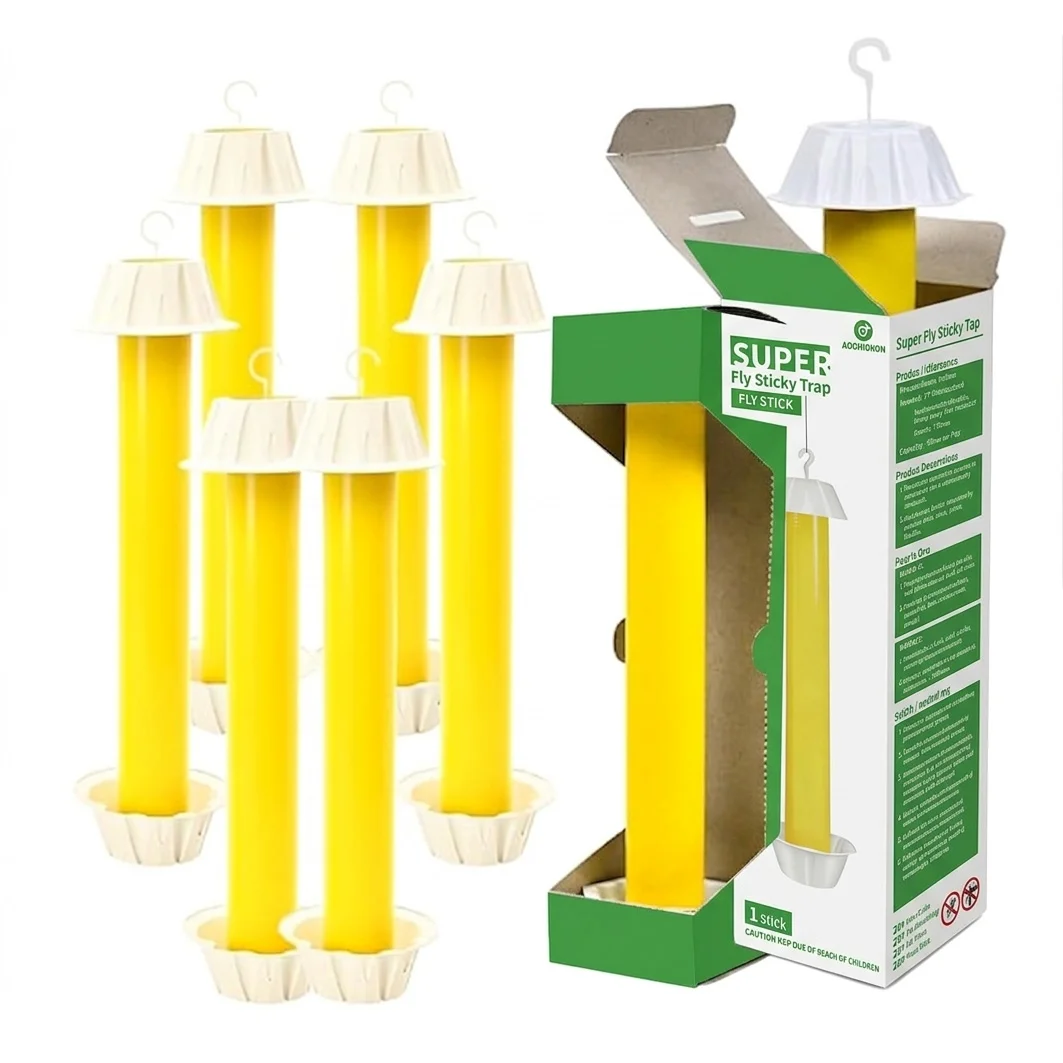
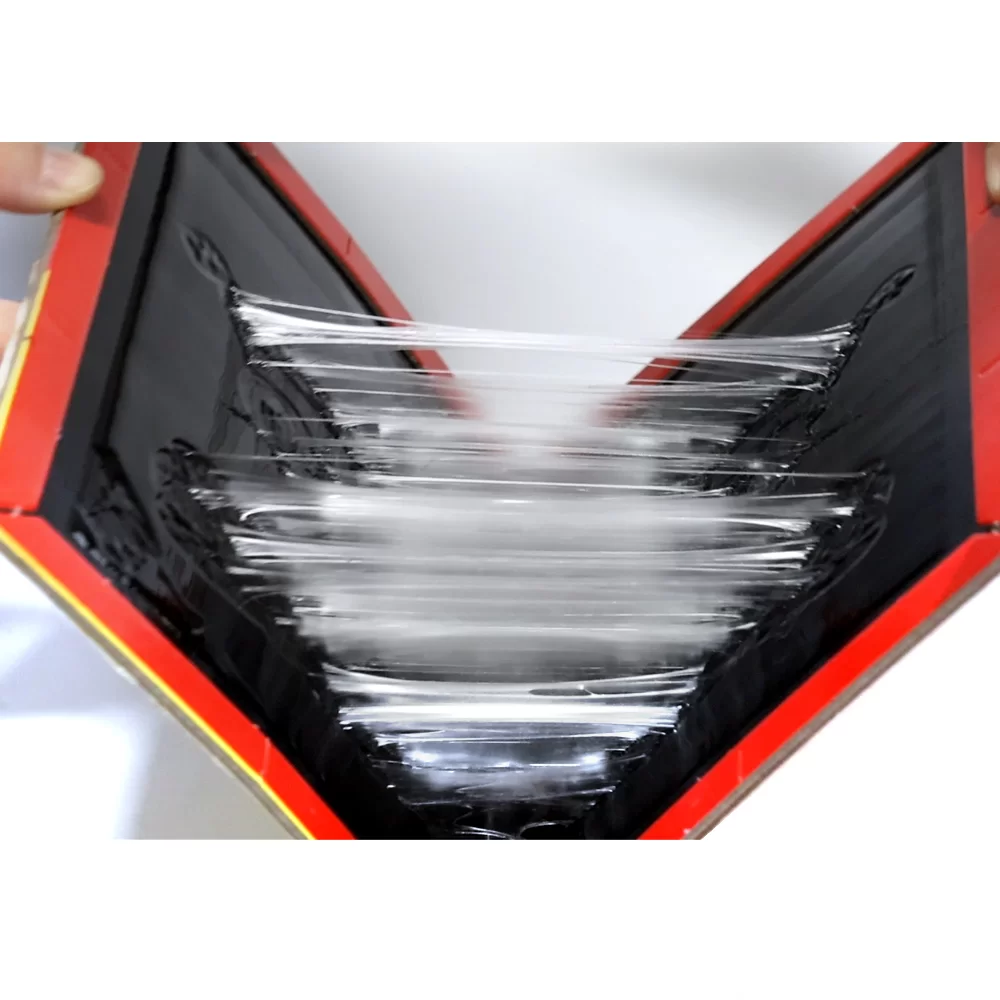
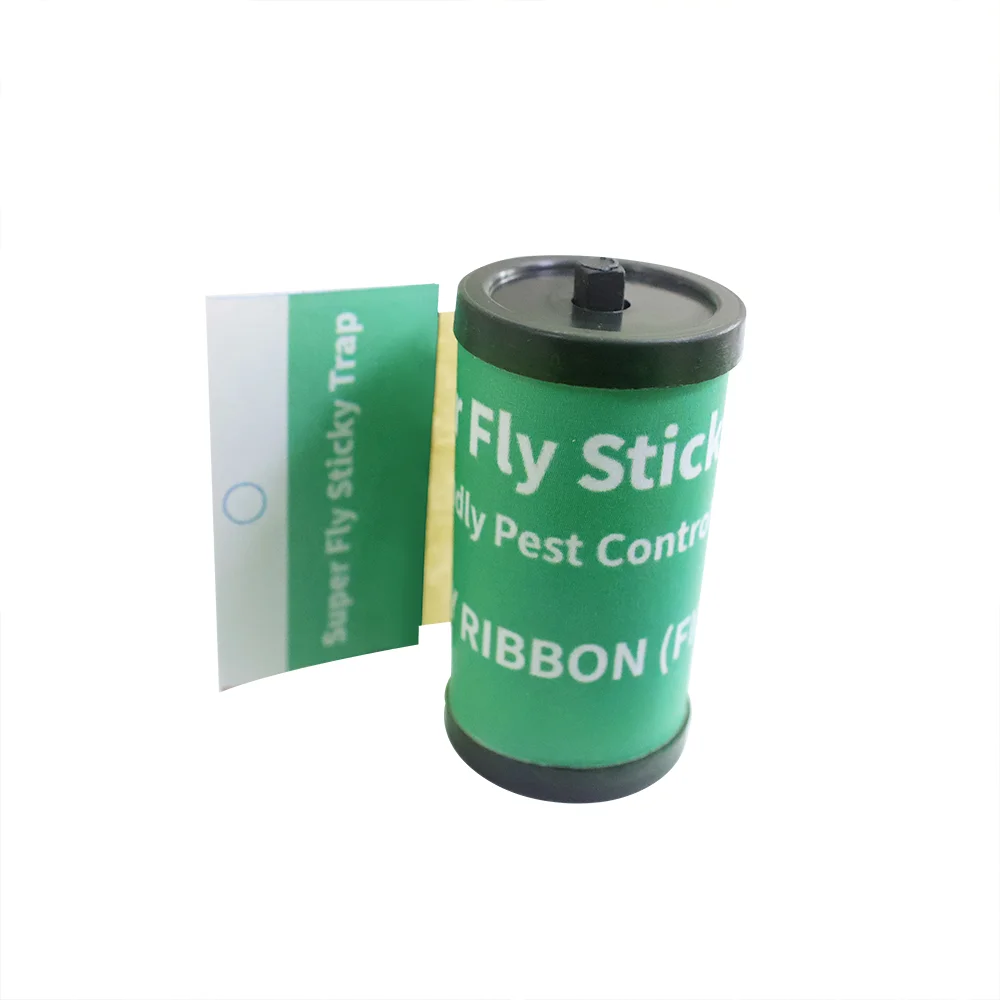
In simple terms, a plant gnat trap is a physical or adhesive tool designed to attract, capture, and kill fungus gnats and other small flying pests. Usually, it consists of a brightly colored card or sticky surface that exploits the gnats' attraction to certain hues (especially yellow) and often includes an appealing scent or pheromone lure.
This method avoids harmful chemicals and focuses on interception — stopping the pests before they infest plants deeply. They’re widely used in greenhouses, nurseries, commercially grown vegetable crops, and even home gardens.
The connection to modern industry? These traps are at the crossroads of biological control and integrated pest management (IPM). They support humanitarian needs indirectly by ensuring sustainable food production and lessening chemical toxicity risks for agricultural workers and consumers.
Key Components of Effective Plant Gnat Traps
1. Durability
An excellent trap needs to withstand varying environmental conditions — humidity, wind, greenhouse sprays — without losing sticky power or structural integrity. It’s a balance: sticky enough to hold gnats but resilient enough to last weeks.
2. Attractiveness (Color and Scent)
Yellow is a favorite because gnats are drawn to this wavelength. Some high-end traps integrate natural or synthetic attractants aiming to outsmart gnat instincts. Oddly enough, a dull color won’t lure much, while too strong a scent can repel other beneficial insects nearby.
3. Eco-Friendly Materials
Increasingly, sustainable materials like recycled cardboard and biodegradable adhesives are popular. For growers mindful of their environmental footprint, this matters more than ever.
4. Ease of Deployment
A trap that’s fiddly to set up in tight greenhouse rows or dense nurseries won’t get much use. User-friendly design means growers can place, replace, and dispose of traps quickly, making IPM protocols easier to maintain.
5. Cost Efficiency
Especially for large-scale operations, traps need to be affordable at bulk scale while maintaining quality. There’s no point in having a fancy trap that’s cost-prohibitive when widespread deployment is key.
Typical Product Specification Table
| Specification |
Description |
Typical Range/Value |
| Material |
Cardboard with sticky adhesive |
Recycled, biodegradable options |
| Color |
Yellow (most common), blue (less common) |
Chromaticity: ~570 nm (yellow) |
| Lure Type |
Non-toxic pheromone or natural scent |
Varies by manufacturer |
| Dimensions |
Rectangular or sticky strip |
4 x 6 inches typical |
| Sticky Residue Lifespan |
Retention of adhesive effectiveness |
3-6 weeks |
| Environmental Resistance |
Humidity and UV light stability |
Moderate to high |
Global Applications & Use Cases
Fungus gnat infestations aren’t localized problems anymore; they occur worldwide — from Europe’s expansive greenhouse tomato farms to Southeast Asia’s ornamental plant nurseries. Many commercial growers find that in post-disaster relief agricultural hubs and community gardens, these traps support rebuilding food systems without introducing pesticides.
In remote industrial zones or research stations that grow plants indoors, plant gnat traps provide a low-maintenance option for pest monitoring. In fact, organizations promoting urban farming in developing countries use these traps to educate about sustainable pest control — which aligns well with broader UN Sustainable Development Goal 2: Zero Hunger, by reducing crop losses and chemical food contaminants.
Vendor Comparison: Popular Plant Gnat Trap Brands
| Brand |
Material |
Added Features |
Price Range (per 100 units) |
Environmental Certification |
| EcoTrap Pro |
Recycled cardboard with organic adhesive |
Natural pheromone lure |
$60 - $80 |
FSC Certified |
| YellowSticky Max |
Standard coated cardboard |
UV resistant coating |
$40 - $55 |
No |
| GreenGrow Capture |
Biodegradable paper with plant oils |
Non-toxic scent + easy disposal tab |
$70 - $85 |
Compostable Certified |
| BasicFlytrap |
Plastic base with sticky surface |
Durable, reusable base plate |
$50 - $65 |
Partial |
Advantages and Long-Term Benefits
Switching to plant gnat traps from traditional chemical pesticides offers multiple advantages. First, in terms of environmental impact, traps reduce the use of toxic sprays that can leach into soil and water. This enhances sustainability — surely a growing priority among growers and consumers alike.
Economically, they help avoid crop damage, meaning better yields and less financial loss. Socially, they improve workplace safety by limiting pesticide exposure for farmhands. There's also an emotional element — many growers report a sense of satisfaction in adopting greener methods and trusting more natural pest management strategies.
Emerging Trends & Innovations
Technology isn’t bypassing this humble tool. Innovations include traps embedded with slow-release attractants, IoT-enabled sticky traps that digitally count captured gnats remotely, and biodegradable adhesives improving waste profiles. Some companies experiment with solar-powered light emissions tuned to gnat visual spectra.
These advancements hint at a future where pest monitoring merges with precision agriculture, data analytics, and sustainability. It’s exciting because it reshapes pest control from guesswork into a science — one where you can optimize timing and placement, reducing even further the need to spray chemicals.
Challenges and Practical Solutions
Despite these benefits, challenges persist. Sticky surfaces can lose efficacy in dusty or humid environments, and heavy infestations might overwhelm traps' capacity. Some growers worry about trap disposal and sticky residue safety in their operational protocols.
Experts recommend integrated pest management (IPM) strategies combining traps with cultural controls (like soil drying), biological controls (beneficial nematodes), and environmental adjustments. It’s rarely a silver bullet but more a trusted component in a layered defense.
FAQ: Common Questions About Plant Gnat Traps
- Q: How often should I replace my plant gnat traps?
A: Typically, traps remain sticky and effective for about 3-6 weeks. Replace sooner if they become covered in insects or debris to maintain optimum trapping efficiency.
- Q: Are plant gnat traps safe to use around children and pets?
A: Yes, most traps use non-toxic adhesives and natural lures without pesticides, making them safe when placed out of reach of small children or animals.
- Q: Can these traps eliminate an existing heavy infestation?
A: Traps are primarily preventative and monitoring tools. Heavy infestations typically require integrated approaches, including biological controls and habitat management alongside traps.
- Q: Do all plant gnat traps work the same way?
A: While most rely on color and sticky surfaces, premium versions include pheromone lures or UV protection. Choice depends on your environment and budget.
Conclusion
At the end of the day, the humble plant gnat trap is a clever blend of simplicity and science. It addresses a real, global challenge—tiny pests with big consequences—in a sustainable, cost-effective, and increasingly innovative way. Whether you manage a bustling greenhouse or a modest home garden, these traps offer a gentle but effective line of defense.
If you're interested in reducing pesticide use while protecting your plants reliably, check out plant gnat trap solutions and see what’s new on the market. It might just make your growing experience that little bit easier, and healthier, too.
Quick takeaway: Simple tools, smart science, and sustainability can coexist beautifully—if we keep looking after the smallest parts of our ecosystems.
References
- FAO on Pests and Crop Losses
- Wikipedia on Fungus Gnats
- United Nations Sustainable Development Goal 2