28 October 2026
THE BUYER'S GUIDE / SELECTION
This guide helps buyers evaluate whether 100% Polycarbonate Bird Spikes suit their specific installation conditions. It walks through the key selection criteria—material composition, spike geometry, installation method, color options, and application scope—using confirmed product specifications. Buyers who need a longer-term or adhesive-incompatible solution can also cross-reference the stainless steel alternative to make a fully informed procurement decision.
Material composition and weather resistance: Both spike elements and base strip are polypropylene plastic, UV-protective and anti-oxidation for long-term outdoor use. Verify against site environmental conditions before ordering.
Installation method compatibility: The product supports nails, double-sided tape, rolling tape, and super glue via 6 pre-drilled holes per section. Confirm the target surface accepts at least one method; screw-only or adhesive-incompatible surfaces may require the stainless steel alternative.
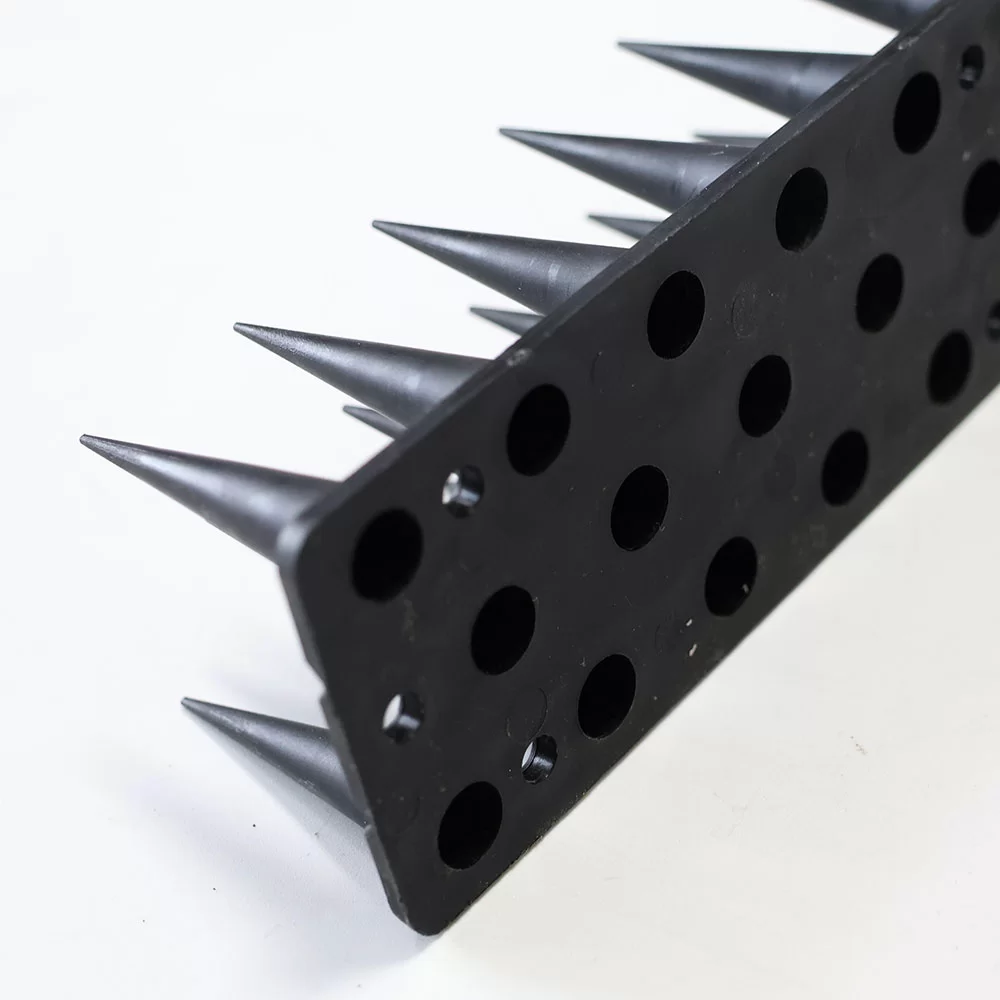
Segmented strip design and dimensional fit: Each 45 cm strip comprises 3 bendable, separable sections (3.6 cm spike length). Evaluate curved or irregular surfaces against the bendable format, and calculate required strip count based on linear coverage.
Color and aesthetic requirements: Available in black, green, brown, gray, and white. Match to substrate color where building aesthetics or planning requirements apply.
Target animal and application scope: Designed to deter birds, cats, and small animals on fences, rooflines, eaves, and narrow surfaces without causing harm. Confirm species and surface type fall within this scope.
100% Polycarbonate Bird Spikes are a physical bird-deterrent product manufactured using advanced injection molding processes. The product is constructed entirely from polypropylene plastic—both the spike elements and the base strip—making the finished unit lightweight, weather-resistant, and UV-stabilized. The integral construction means no mixed-material assembly, which simplifies inspection and reduces potential weak points during outdoor use.
This article focuses on purchase-decision criteria: which site conditions make polycarbonate spikes the right fit, which specifications to verify before ordering, and when an alternative material should be considered instead.
The spike strips and base are both made of polypropylene plastic. The published description states the material is UV-protective, anti-oxidation, and designed for archaeologically stable, long-term outdoor service. This makes the product suitable for buyers whose installations receive regular sunlight exposure.
Buyers operating in environments with extreme mechanical stress—blizzards, constant high winds, or surfaces unsuitable for adhesive—should verify whether the polycarbonate construction meets their load requirements, or consider the fully metallic stainless steel bird spike option instead.
Confirmed specifications for model JS-PCA45:
| Specification | Detail |
|---|---|
| Model number | JS-PCA45 |
| Product name | Plastic bird spike |
| Spike material | Polypropylene plastic |
| Spike length | 3.6 cm |
| Base strip length | 45 cm |
| Overall size | 45 × 4.5 × 3.6 cm |
| Base material | Polypropylene plastic |
| Mail order packing | 12 pcs / box |
Verifying these dimensions against the target surface width and depth ensures full coverage with minimal waste. The 45 cm strip length also determines how many units are needed per linear meter of coverage.
Each spike strip has 3 bendable and separable sections. This design feature directly affects application fit:
Buyers covering many short or irregularly shaped surfaces benefit most from this segmented format.
The product supports four installation methods: nails, double-sided tape, rolling tape, and super glue. Each strip section includes 6 pre-drilled screw holes to accommodate mechanical fastening. This flexibility is important for procurement teams selecting across multiple site types:
If the installation site is incompatible with all adhesive methods and mechanical fastening is not feasible, the stainless steel alternative—which relies on screw holes into any surface—may offer a better structural fit.
Available colors include black, green, brown, gray, and white. Color selection affects visual integration with the installation surface. For rooflines and eaves, a color that closely matches the substrate reduces visual impact and may be relevant to building aesthetic requirements or local planning guidelines.
The spike design deters birds, cats, and other small reptiles or animals from landing, roosting, or nesting. Suitable installation locations include:
The product description confirms deterrence without harm: the spikes act as a physical barrier rather than an injury-causing mechanism.
Hebei Limet Industrial Co., Ltd. offers both polycarbonate and stainless steel bird spikes. Understanding the differences helps buyers assign the right product to the right site:
| Factor | 100% Polycarbonate Bird Spikes | Stainless Steel Bird Spikes |
|---|---|---|
| Base material | Polypropylene plastic | 304 stainless steel |
| UV resistance | Confirmed (UV-protective material) | Not a stated feature |
| Corrosion resistance | Weather-resistant (plastic) | 304 stainless steel, corrosion-resistant |
| Bendable/segmented | Yes — 3 bendable, separable sections | |
| Stated service life | Not specified in published material | Stated up to 15 years |
| Installation methods | Nails, tape, super glue, rolling tape | Pre-drilled holes for screw fixing |
| Color options | Multiple (black, green, brown, gray, white) |
Polycarbonate spikes are the appropriate choice when color matching, surface bending, or adhesive installation is a primary requirement. Stainless steel spikes are more suitable where screw-only surfaces, long service life, or all-metal construction is required.
Before finalizing a procurement order for 100% Polycarbonate Bird Spikes, buyers should confirm:
100% Polycarbonate Bird Spikes from Hebei Limet Industrial Co., Ltd. are well-suited to buyers who need a lightweight, UV-resistant, multi-color deterrent with flexible installation options across curved or irregular surfaces. The confirmed model JS-PCA45 delivers a 45 cm segmented strip with 3.6 cm spikes and supports four attachment methods. Buyers whose sites require all-metal construction or screw-only installation should compare with the stainless steel bird spike range before committing. Price, delivery lead time, and certification details should be confirmed directly with the supplier, as these are not covered by the published product specifications.
THE PEOPLE

About the author
THE COMPANY
Founded in 2019, we’re an 80-strong integrated company combining factory production and foreign trade. Our core products: pest control solutions (mouse traps, glue boards, cages, bird spikes, snake tongs, anti-climb spikes, etc.) and household items (kneeling stools, garbage racks, leaf rakes).
We solve pest infestations and household inefficiencies. Our edge: Factory-direct pricing, quality control from production to delivery, one-stop supply, and custom services.…
YOUR NEXT STEP
Use case, specification, quantity and delivery window: make the next conversation specific.
Dec 08, 25
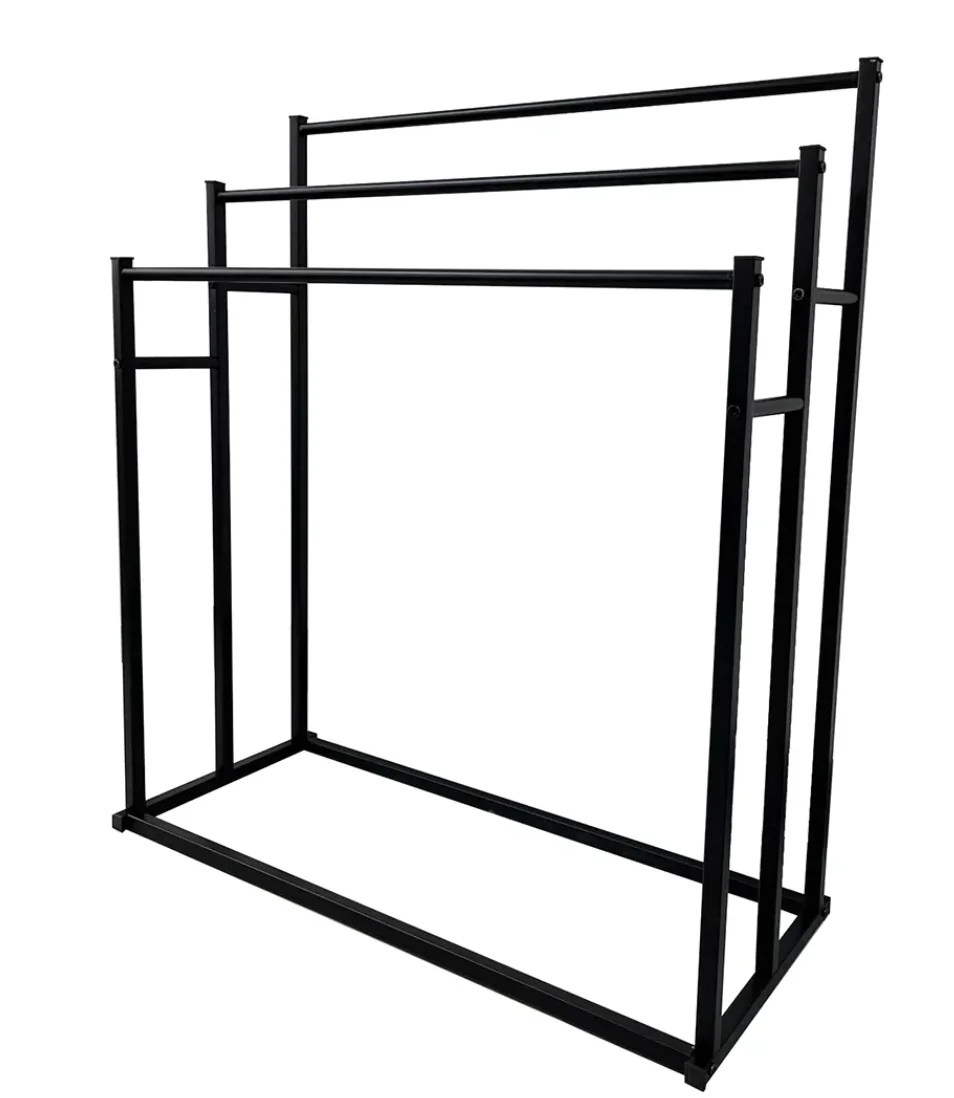
Matte Black Standing Towel Rack for Contemporary Decor
In contemporary homes, hotels, or rental properties, every piece of decor serves dual purposes: functionality and aesthetic appeal—and a matte black standing towel rack checks both boxes.
Mar 13, 26
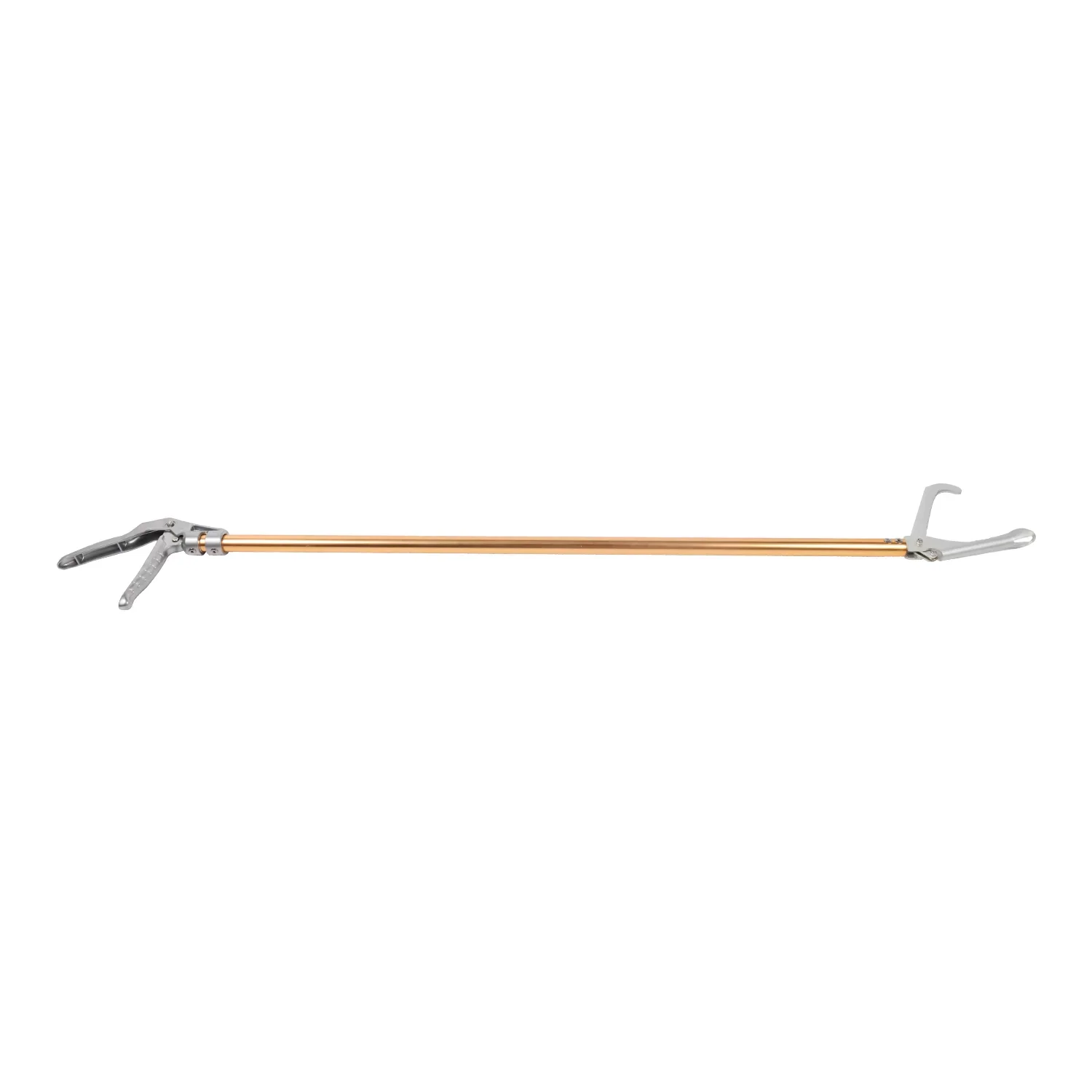
Snake Tongs For Sale: Reliable Snake Catching Tool for Safe Wildlife Handling
Handling snakes safely requires specialized equipment designed to protect both the handler and the animal.

Feb 02, 26
Find Comfortable Garden Kneelers for Sale to Support Your Gardening
Dec 03, 25
Yellow Sticky Traps For Squash Vine Borer – Effective Pest Control Solutions for Agriculture
... full article HTML ...