03 December 2025
Garden pests can affect the growth and appearance of vegetables, flowers, ornamental plants and other greenery. Whiteflies, aphids and fungus gnats are among the common flying insects that gardeners and growers need to monitor.
Yellow sticky traps provide a convenient physical solution for monitoring and capturing certain flying garden pests. They are easy to install, require no electrical power and can be used in gardens, greenhouses, nurseries and other growing environments.
In this guide, LIMET explains how yellow sticky traps work, which insects they can help capture and how to use them effectively in different garden environments.
Yellow sticky traps are adhesive boards or sheets designed to attract certain flying insects through their bright yellow color.
When insects approach and land on the adhesive surface, they become trapped. This allows gardeners to observe insect activity and capture some flying pests without using insecticide sprays through the trap itself.
Common features include:
Bright yellow surfaces for visual attraction
Adhesive coatings for physical insect capture
Simple installation and convenient placement
Different sizes and designs for various applications
No electrical power required
Yellow sticky traps are particularly useful as part of an integrated pest management (IPM) program.
Yellow sticky traps can help monitor several types of flying insects commonly found around gardens and growing areas.
Whiteflies are small, winged insects often found on the undersides of plant leaves. They can affect vegetables, ornamental plants and greenhouse crops.
Yellow sticky traps can help capture adult whiteflies and provide an indication of their activity.
Some winged aphids are attracted to yellow sticky surfaces. Monitoring these insects can help gardeners identify changes in pest activity around their plants.
However, sticky traps do not replace direct inspection of leaves and stems, where many aphids remain.
Fungus gnats are small flying insects frequently associated with moist growing media and indoor plants.
Yellow sticky traps placed near plant pots can help capture adult fungus gnats and monitor their presence.
Depending on the insect species and environment, yellow sticky traps may also capture other flying insects.
Their effectiveness varies, so trap selection and placement should be based on the target pest.
Correct installation helps improve monitoring results and makes the traps easier to inspect.
Check plants, leaves, growing media and surrounding areas for signs of flying insects.
Pay particular attention to plants showing pest damage or areas where insects are frequently observed.
Place yellow sticky traps near plants or areas where flying insect activity is observed.
For potted plants, traps can be positioned near the pots. In vegetable gardens and greenhouses, they can be distributed around growing areas.
Depending on the product design, yellow sticky traps can be hung, supported by holders or positioned using other suitable installation methods.
Avoid placing adhesive surfaces where people, pets or beneficial insects may come into unnecessary contact with them.
Check the traps periodically to observe insect accumulation.
Replace traps when the adhesive surface becomes covered with insects, dust or debris, or when the adhesive no longer performs effectively.
Placement depends on the type of garden and the target insects.
| Application Area | Recommended Placement |
|---|---|
| Vegetable Gardens | Near plants with visible flying insect activity |
| Flower Gardens | Around affected ornamental plants |
| Greenhouses | Distributed throughout growing areas |
| Indoor Plants | Near plant pots and growing containers |
| Nurseries | Around seedling and plant production areas |
For best results, use yellow sticky traps as a monitoring tool alongside regular plant inspections and appropriate pest management practices.


Yellow sticky traps offer several practical advantages for garden pest monitoring.
Benefits:
Simple and convenient to use
No electrical power required
Physical insect capture without insecticide application through the trap
Useful for observing changes in flying insect activity
Suitable for gardens, greenhouses and nurseries
Limitations:
Not effective against every type of garden pest
Cannot eliminate insects that remain on leaves or in growing media
May capture beneficial insects, including pollinators
Require regular inspection and replacement
To reduce unnecessary capture of beneficial insects, avoid placing traps near flowering plants or areas with heavy pollinator activity.
Yellow sticky traps should be used as part of a broader pest management strategy rather than as the only method of pest control.
Demand for practical garden pest control products creates opportunities for garden supply retailers, agricultural distributors and pest control product wholesalers.
Yellow sticky traps are a useful addition to product ranges serving home gardeners, greenhouse operators and professional growers.
For business buyers, important purchasing considerations include:
Consistent adhesive performance
Reliable product quality
Suitable product sizes and designs
Protective packaging for storage and transportation
Wholesale supply capacity
OEM/ODM branding and packaging options
LIMET supports international buyers looking for physical pest control products and customized cooperation solutions.
Hebei Limet Industrial Co., Ltd. (LIMET) is a professional manufacturer and exporter focusing on garden pest control solutions and animal repellent products.
With 18 years of industry and export experience, LIMET serves customers in North America, Western Europe, Oceania and other international markets.
Our product range covers multiple physical pest control categories, including:
Yellow Sticky Traps
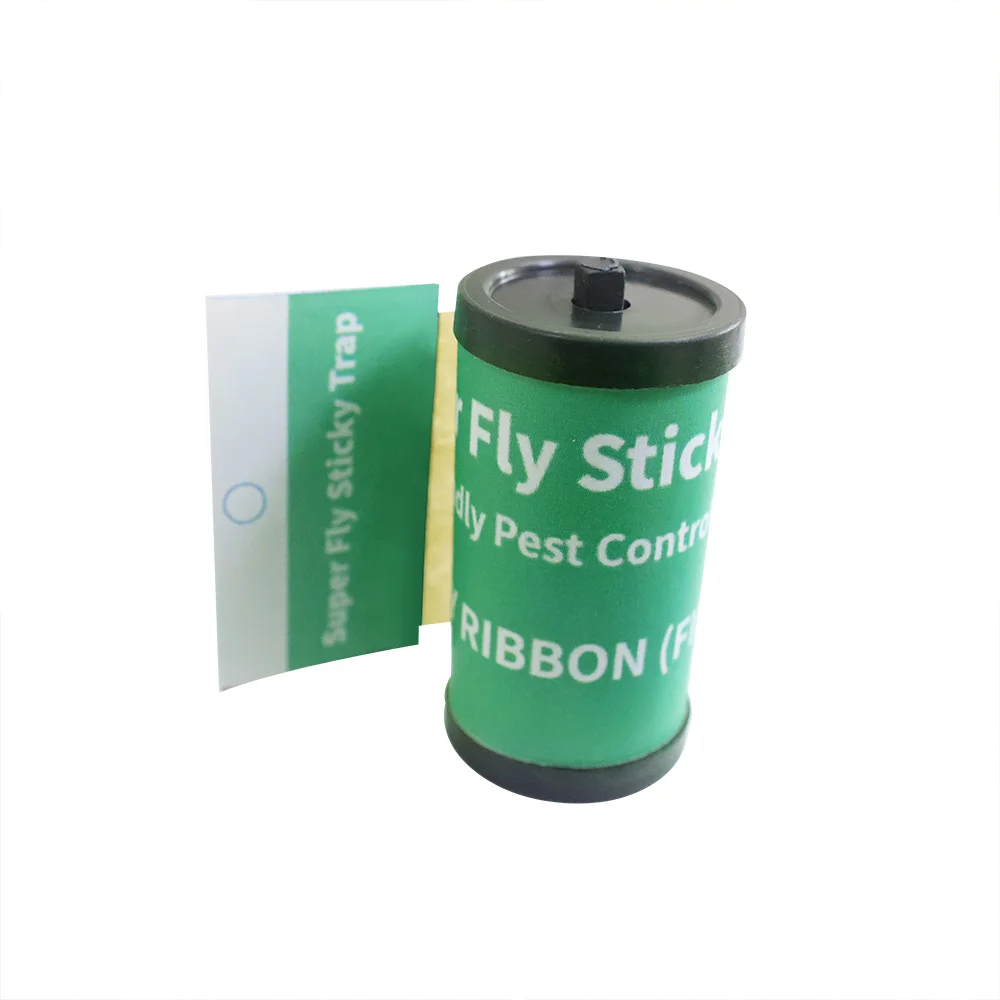
Fly Paper and Fly Ribbons
Mouse Glue Traps
Live Animal Traps
Bird Spikes
Anti-Climb Spikes
Other Physical Pest Control Products
We focus on three core principles: High Efficiency, Safety and Cost-effectiveness.
Whether you are a garden supply retailer, wholesaler, distributor or brand owner, LIMET welcomes opportunities to discuss product sourcing, OEM/ODM cooperation and long-term business partnerships.
Yes. They can help capture and monitor certain flying insects, including whiteflies, winged aphids and adult fungus gnats.
The traps do not require insecticide spraying and generally do not need to contact plant leaves. However, they should be positioned carefully to avoid unnecessary contact with beneficial insects and pollinators.
No. They mainly capture certain flying insects. They are not a complete solution for crawling insects, soil-dwelling pests or insects that remain on plant surfaces.
Replacement frequency depends on insect accumulation, dust, moisture and adhesive condition. Inspect traps regularly and replace them when their adhesive surfaces become covered or lose effectiveness.
LIMET welcomes wholesale and bulk purchasing inquiries. OEM/ODM packaging and branding requirements can also be discussed according to product specifications and order quantities.
Looking for yellow sticky traps and other physical pest control products?
Contact LIMET to discuss wholesale supply, customized packaging and OEM/ODM cooperation.
LIMET – Physical Pest Control Solutions
Website: https://www.lmtrapx.com/
Email: sales@lmtrapx.com

Nov 03, 26
Plastic Mouse Catch Box Humane Mouse Trap vs Sticky Mouse Board Glue Trap
Dec 22, 25
Sturdy Garbage Bag Holder for Yard Waste
Every gardener, homeowner, and outdoor enthusiast knows the constant challenge of managing yard debris.

Feb 06, 26
Invest in a Comfortable and Heavy Duty Garden Kneeler and Seat
Jan 19, 26
Black Box Rat Trap for Efficient Rodent Control
A black box rat trap is one of the most effective solutions for homes, warehouses, and farms. Its dark enclosure conceals the bait and trigger, attracting rats more efficiently.