Yellow Sticky Tape for Plants: A Practical Solution Rooted in Nature and Innovation
If you’ve ever strolled through a greenhouse or a botanical garden, you might have spotted bright yellow sticky tapes fluttering or stretched along plant stems. Oddly enough, this simple tool holds a surprisingly powerful role in agriculture and horticulture, and frankly, understanding it is more important than you might think on a global scale. Yellow sticky tape for plants offers an affordable, eco-friendly way to protect crops, monitor pests, and help farmers around the world improve yield – and all this without harmful chemicals.
Whether you’re a grower in a small rural village or an urban farmer in a high-tech vertical farm, this tape plays a vital role in sustainable agriculture. Before we dig into the nitty-gritty, here’s a quick takeaway: yellow sticky tape is more than just tape. It’s a low-cost, effective, and environmentally conscious pest management tool that helps reduce crop losses globally.
Introduction: Why Yellow Sticky Tape Matters Globally
With the Food and Agriculture Organization (FAO) reporting that pests cause up to 40% of crop losses worldwide, the challenge of pest control looms large. Chemicals pesticides, although effective, come with environmental and health risks that many growers want to avoid. Enter yellow sticky tape for plants, a passive yet innovative solution rooted in biological pest control principles.
Globally, this tape helps reduce pesticide use in sectors from smallholder farms in Asia to commercial greenhouses in Europe. Interestingly, the International Organization for Standardization (ISO) is beginning to recognize pest control tools like these as vital contributors to sustainable agriculture. So, as the global community pursues greener farming methods, yellow sticky tape for plants is edging into the spotlight.
What is Yellow Sticky Tape for Plants?
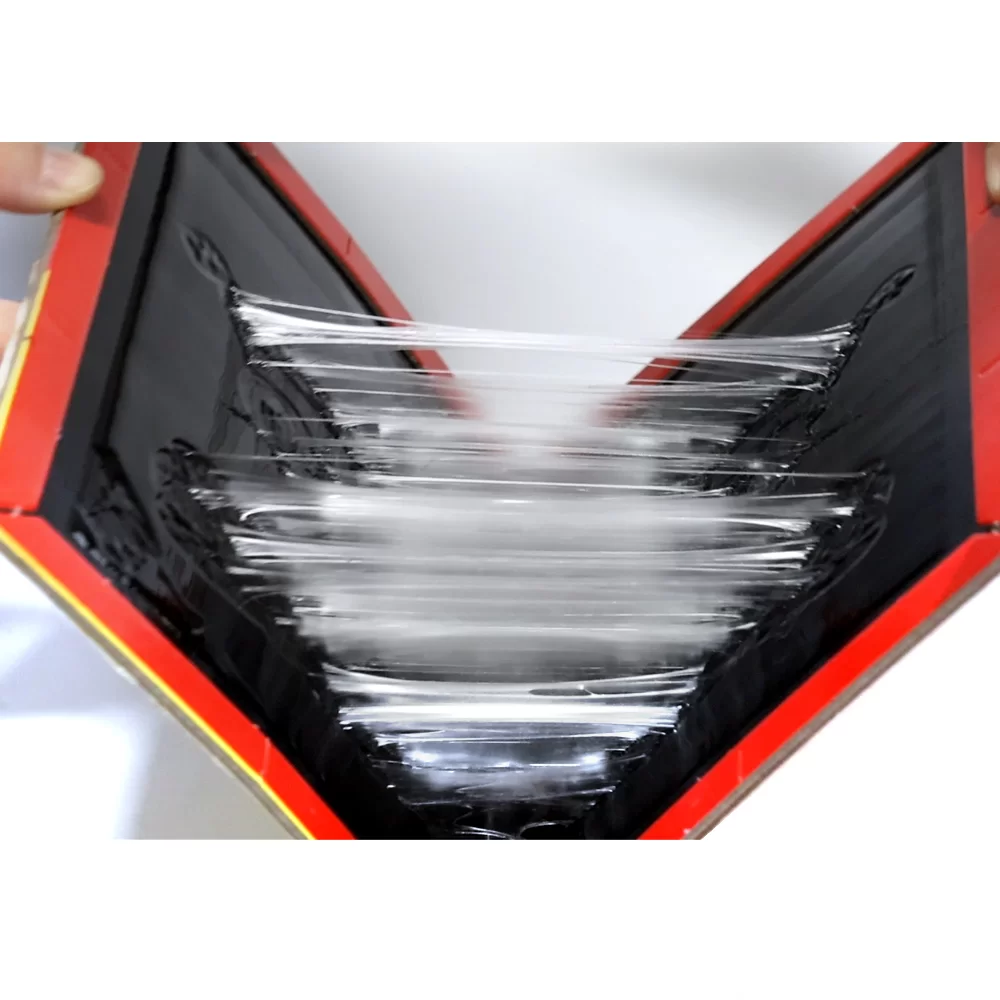
Simply put, yellow sticky tape is a highly adhesive, brightly colored strip used primarily to trap flying insects on plants. Its distinctive yellow color attracts pests like aphids, whiteflies, and leafminers, which then stick to the tape’s adhesive surface. This not only reduces pest populations but also enables growers to monitor pest activity and make data-driven decisions about pest control.
Think of it as an early warning system and a passive pest control method rolled into one, which fits perfectly with integrated pest management (IPM) strategies promoted worldwide. More than just an agricultural tool, it’s gaining attention in humanitarian efforts where sustainable food production in fragile ecosystems matters.
Key Factors Behind Yellow Sticky Tape’s Success
1. Durability and Weather Resistance
Because these tapes are used outdoors, they must withstand sun, rain, and humidity without losing adhesiveness. Many are treated with UV-resistant coatings, and their durability can range from a few weeks to over a month depending on the quality.
2. Color & Pest Attractiveness
The choice of bright yellow isn’t arbitrary — studies show many pest species are highly attracted to yellow wavelengths. This makes the tape an effective trap without additional chemical lures.
3. Ease of Use & Scalability
Growers can quickly deploy rolls of sticky tape along rows of crops or on plant stakes. The tape scales well from small gardens to expansive fields or greenhouses, which is why you see it in so many varied agricultural settings.
4. Cost Efficiency
Compared to the recurring costs and environmental bills of pesticides, yellow sticky tape is budget-friendly and lower risk, helping farmers especially in developing countries.
Global Applications & Real World Use Cases
- Asia & Africa: Smallholder farmers in rice, vegetable, and fruit farming use yellow sticky tape extensively to monitor insect pests and reduce chemical sprays.
- Europe: Commercial greenhouse operators deploy it to protect high-value crops like tomatoes and peppers, integrating it in IPM systems.
- Disaster Relief Zones: Organizations implement yellow sticky tape in rapidly established food gardens to maintain crop health where pesticides are unavailable or unsafe.
- Urban Farming: Vertical farms and community gardens rely on the tape for non-toxic pest management where chemical usage is restricted.
For instance, in a pilot project with vegetable farmers in Kenya, the use of yellow sticky tape helped reduce chemical pesticides by nearly 30%, improving yields while lowering health risks.
Advantages & Long-term Value of Yellow Sticky Tape
Surprisingly, yellow sticky tape isn’t just about trapping bugs. It supports sustainability efforts by lowering pesticide dependency, improving ecosystem health, and fostering safer working environments for farmers.
On a more human level, there is a sense of trust and dignity when growers know they can protect their crops with minimal chemical impact: a win-win for communities and consumers. Plus, the visual monitoring aspect empowers growers to make smarter, data-driven decisions.
Yellow Sticky Tape for Plants: Product Specifications
| Specification |
Details |
| Width |
5 cm (standard), other sizes available |
| Length per Roll |
50 m to 100 m |
| Adhesive Type |
Non-toxic, weather-resistant acrylic |
| Color |
Bright yellow (peak insect attraction wavelength) |
| UV Resistance |
Up to 6 weeks outdoor exposure |
Comparing Leading Vendors of Yellow Sticky Tape
| Vendor |
Adhesive Strength |
UV Resistance (Weeks) |
Eco-Friendliness |
Price (per Roll) |
| GreenAgro Supplies |
High |
5 |
Biodegradable adhesive |
$12.50 |
| EcoTrap Solutions |
Medium |
6 |
Recycled materials |
$10.00 |
| AgriSafe Technologies |
High |
4 |
Standard acrylic adhesive |
$11.25 |
Future Trends & Innovations in Yellow Sticky Tape
Looking ahead, the world of yellow sticky tape is quietly evolving. Emerging trends include adhesives made from bio-based materials that degrade harmlessly into the soil. Plus, some vendors experiment with embedded sensors that signal pest density remotely using IoT technology — quite futuristic for something that feels so tactile and low-tech.
Digital agriculture and automation mean these tapes may soon integrate with pest identification software or robotics that replace manual monitoring, advancing sustainable crop management. Add to that growing regulations encouraging chemical alternatives, and you see why yellow sticky tapes are destined for a tech-savvy renaissance.
Challenges and Practical Solutions
One limitation growers often mention is durability in very wet or dusty environments — sticky residue can lose its grip or get clogged. However, advances in adhesive formulae and backing materials are helping overcome this. Additionally, proper placement and regular replacement ensure effectiveness remains high.
On the human side, education is key. Growers must understand how to interpret data from the tapes for integrated pest management. Organizations partnering locally have developed manuals and trainings to help farmers translate tape catches into smart, context-aware interventions.
FAQ: Yellow Sticky Tape for Plants
- What kinds of pests does yellow sticky tape trap?
- Mostly flying or crawling insects attracted to yellow, such as aphids, whiteflies, thrips, and leafminers. These are common pests in many crops worldwide.
- How often should yellow sticky tape be replaced?
- Typically every 3 to 6 weeks, depending on environmental exposure and how quickly it gets covered with trapped pests or debris.
- Is it safe to use yellow sticky tape around organic crops?
- Absolutely. Since it uses no chemical insecticides, it’s widely accepted in organic farming and helps reduce pesticide use.
- Can yellow sticky tape completely replace pesticides?
- No, but it significantly reduces the need for them by serving as an early detection and partial control method within an integrated pest management plan.
- Where can I purchase yellow sticky tape for plants?
- Many agricultural supply stores and online vendors sell it; prices and qualities vary, so consider durability and adhesive type when selecting.
Conclusion: Why Yellow Sticky Tape Remains a Staple in Plant Care
In real terms, the simple yellow sticky tape bridges old ecological wisdom with modern sustainability needs. It’s a tool that empowers growers, cuts chemical use, and safeguards crops in a visually striking and straightforward way. Its global adoption tells a quiet but important story about how practical, cost-efficient solutions can create big impacts.
If you’re ready to reduce chemical reliance and explore effective pest monitoring, why not check out the latest ranges of yellow sticky tape? Visit our website: yellow sticky tape for plants to find options tailored to your needs. You might be surprised how much this humble tool can do.
—A little bit sticky, a lot sustainable.
1. Food and Agriculture Organization (FAO) FAOSTAT Database: https://www.fao.org/faostat/en/#data
2. International Organization for Standardization (ISO): Sustainable Agriculture Initiatives
3. Wikipedia contributors, "Pest control," Wikipedia, The Free Encyclopedia, https://en.wikipedia.org/wiki/Pest_control