Sticky Trap for Gnats: A Simple Solution in a Complex World
For those pesky little annoyances — gnats — the sticky trap for gnats has quietly become a global go-to. Sounds almost too simple for such a widespread nuisance, but much like a Swiss Army knife in a world of complex tools, these traps offer surprisingly effective, low-tech relief. Considering the billions affected annually, especially in agricultural or food prep settings, gaining a grasp on this humble device is more than just a kitchen hack: it’s a small piece of a global sanitation puzzle.
Introduction: Why Sticky Traps Matter Globally
Gnats aren’t just an annoyance; they’re vectors for contamination and sometimes disease, especially where food processing and horticulture intersect. According to the World Health Organization (WHO), vector-borne illnesses account for over 17% of all infectious diseases worldwide — and while gnats aren’t the primary culprits, they're an indirect problem in food safety chains and hygiene. More importantly, sticky traps offer a chemical-free way to control these pests, which aligns closely with ISO guidelines for sustainable pest management.
Worst of all, traditional pesticide use has negative environmental and health consequences. Farmers and restaurateurs globally seek non-toxic methods, which is why these simple adhesive panels remain relevant yet evolve technologically.
What Exactly Is a Sticky Trap for Gnats?
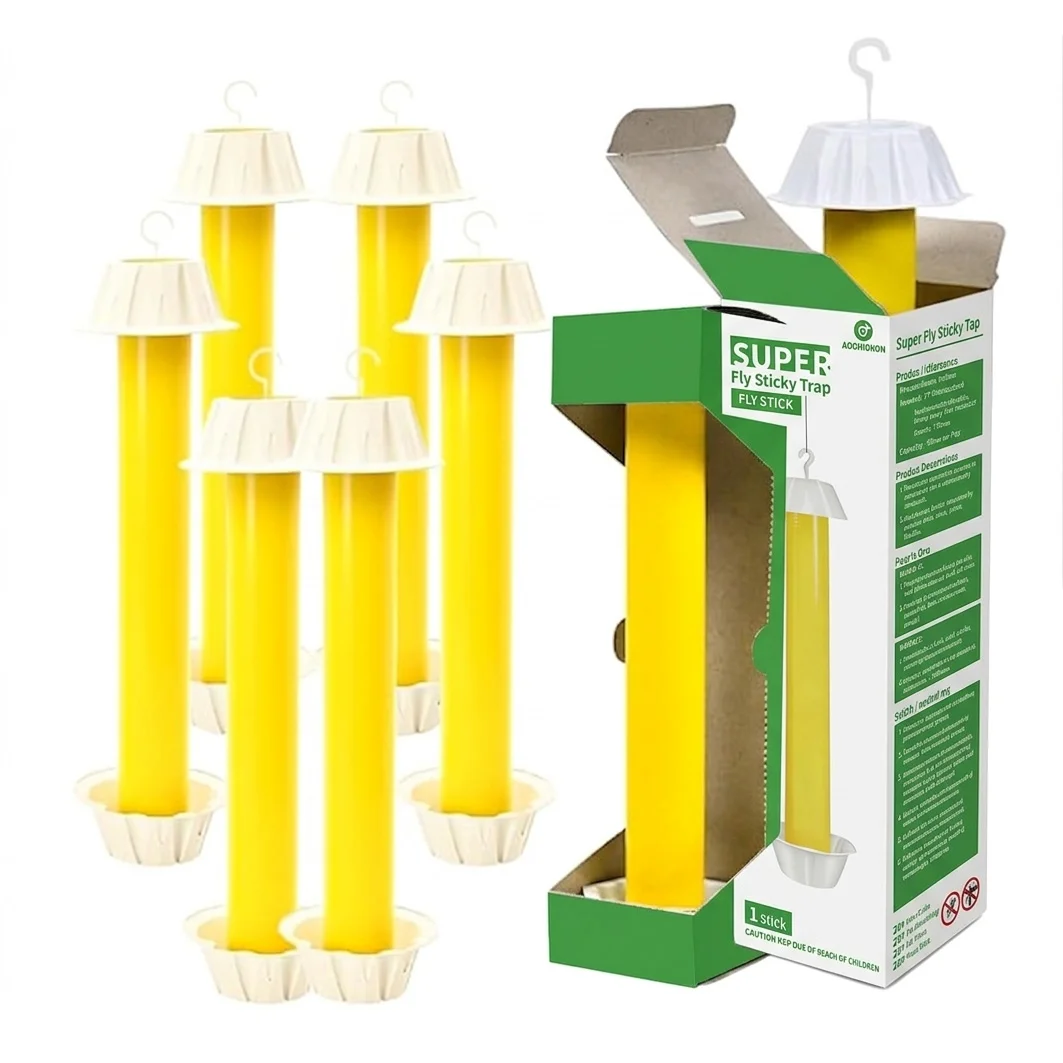
Put plainly, a sticky trap for gnats is a flat surface coated with a tacky adhesive that ensnares flying insects upon contact. No chemicals, no sound or light emissions—just a clever, passive barrier between you and the swarm. These traps often come in bright yellow or blue sheets, colors that attract various flying pests, including gnats.
Nowadays, they’re integral in industries like agriculture, greenhouses, and even humanitarian relief, where maintaining high levels of sanitation is critical but chemical treatments are less desirable or impractical.
Key Factors to Consider When Choosing a Sticky Trap
1. Adhesive Quality and Durability
Not all adhesives are created equal. An effective trap uses a glue that stays sticky over weeks, even under humid conditions often found in farms or kitchen environments. Some engineers I've spoken with emphasize the importance of UV-resistant adhesives that prevent the glue from drying out prematurely.
2. Size and Shape Versatility
Whether you're targeting gnats in a compact pantry corner or a sprawling greenhouse, having varying sizes and shapes of traps can make all the difference. For instance, strip traps can be hung, while rigid boards can be placed on flat surfaces — this flexibility optimizes coverage.
3. Color Attraction
Different insects respond to color differently; yellow is a classic favorite for many flying pests, including gnats, but some products incorporate blue or green hues to broaden efficiency.
4. Environmentally Safe Materials
Most sticky traps avoid pesticides, but the base materials often vary. Biodegradable substrates are gaining popularity due to increasing environmental regulations and conscious consumers.
5. Cost and Reusability
While sticky traps are generally low-cost consumables, end-users often weigh single-use convenience versus the expense and labor required for frequent replacement.
Product Specification Table: Typical Sticky Trap for Gnats
| Feature |
Description |
| Trap Size |
10 x 15 cm (common), also available in 5x20 cm and 20x30 cm |
| Adhesive Type |
Non-toxic, UV resistant tack adhesive |
| Color |
Bright yellow (most common), also blue or green options |
| Material |
Laminated cardboard or biodegradable plastic |
| Shelf Life |
12 months when stored in cool, dry conditions |
| Usage Duration |
Effective for 2-4 weeks per placement |
Global Applications & Who Benefits
Sticky traps are widely used across continents — from large-scale farms in the American Midwest to tropical greenhouses in Southeast Asia, these traps keep gnats and other flying pests in check. Humanitarian organizations deploying disaster relief kitchens or mobile clinics often rely on sticky traps as a first line of defense against insect contamination where traditional insecticides aren’t feasible.
In fact, in small island nations vulnerable to vector-borne diseases, non-chemical control methods, including sticky traps, align with WHO’s push for safer, greener pest management solutions.
Even restaurants and supermarkets in urban areas use sticky traps — sometimes just out of sight — to maintain hygiene without resorting to harsh chemicals that might affect their customers.
Vendor Comparison Table: Leading Sticky Trap Providers
| Vendor |
Product Range |
Price per Pack |
Eco-Friendliness |
Special Features |
| EcoTrap Solutions |
Multiple sizes & colors |
$9.99 (pack of 10) |
Biodegradable substrates |
UV-resistant glue |
| PestGuard Inc. |
Standard yellow sheets |
$7.50 (pack of 10) |
Recyclable cardboard |
Attractive pricing |
| GreenShield Tech |
Color variations including blue and green |
$12.20 (pack of 8) |
Plant-based adhesive |
Extended adhesive longevity |
Why Use Sticky Traps for Gnats? The Long-Term Advantages
It feels oddly satisfying to know a tool so simple can be so effective. Sticky traps offer several long-term benefits that justify their place in pest management strategies:
- Cost-Effectiveness: No machinery or power needed.
- Non-Toxic Safety: Suitable for sensitive environments like food prep or schools.
- Environmental Sustainability: Reduces pesticide load, supporting biodiversity.
- Ease of Deployment: Simply hang or position; no special training required.
- Trust and Comfort: Customers and workers feel safer with chemical-free pest control.
In short, these traps combine old-fashioned simplicity with modern safety and efficiency.
Looking Ahead: Innovations and Emerging Trends
Sticky traps aren’t exactly brand new, but manufacturers are injecting innovation to meet greener standards and smarter pest control. Expect to see:
- Bio-based Adhesives: Derived from natural polymers increasing biodegradability and reducing chemical footprints.
- Smart Traps: Integrating IoT sensors that alert managers when traps are full, optimizing replacement cycles.
- Recyclable & Compostable Materials: Further reducing environmental impact.
- Color Calibration: Tailoring hues specifically to target regional gnat species more effectively.
Oddly enough, something that’s stayed much the same is now edging into high tech. It’s stimulating to think where we might be in another decade — maybe traps that zap or splice DNA. For now, simplicity wins.
Recognizing Challenges (And How to Navigate Them)
No product is perfect — sticky traps have limitations too. For example:
- Effective Duration: Once the surface fills with insects or dust, adhesion drops.
- Limited Species Specificity: Some gnats aren’t attracted by color alone.
- Disposal Issues: Non-biodegradable traps can add to waste streams.
Experts suggest rotating trap placement for coverage and pairing traps with environmental controls such as moisture reduction and organic deterrents. Also, choosing biodegradable options lessens landfill impact, an easy fix if vendors supply them routinely.
FAQ About Sticky Trap for Gnats
Q: How often should sticky traps for gnats be replaced?
A: Typically, every 2 to 4 weeks depending on gnat activity and dust accumulation. Regular inspection helps optimize timing to avoid ineffective traps.
Q: Are sticky traps safe to use around kids and pets?
A: Yes, since sticky traps contain no chemicals or poisons, they’re largely safe. However, keep traps out of direct reach to avoid accidental contact with the adhesive.
Q: Can sticky traps eliminate a gnat infestation completely?
A: Rarely on their own. They’re better suited as part of an integrated pest management system including sanitation and moisture control.
Q: What colors of sticky traps work best against gnats?
A: Bright yellow is the most commonly used and effective for gnats, but certain species can respond better to blue or green, so consider local advice.
Wrapping Up: Why Sticky Traps Make Sense
Sticky traps for gnats balance cost, safety, and usability like few other tools in pest control — that’s why they’ve stuck around. Whether you’re managing a greenhouse, maintaining a commercial kitchen, or running a relief operation, these traps quietly do the job without fuss or hazard. For practical, eco-friendly gnat control, they’re tough to beat.
If you’re interested in integrating trusted sticky traps for gnats into your pest control routine, check out our product range – effective solutions you can count on.
References:
- WHO Vector-borne Diseases Fact Sheet
- ISO 14001 - Environmental Management Systems
- Integrated Pest Management - Wikipedia