Scorpion Glue Traps: A Simple, Effective Solution for Pest Control
If you’ve ever stumbled upon scorpion glue traps, you might have been curious what exactly they do and why they've become a quietly vital tool worldwide. Frankly, the issue of scorpion infestation is more than a household nuisance—it’s a public health concern in many regions where venomous scorpions threaten safety. Understanding how scorpion glue traps work and why they matter can make a surprising difference in industries ranging from agriculture to disaster relief.
Global Context: Why Scorpion Glue Traps Matter
Scorpions are found on every continent except Antarctica, with dangerous species concentrated in arid and semi-arid zones across Africa, the Middle East, Australia, and the Americas. According to the World Health Organization, scorpion stings cause thousands of fatalities annually worldwide, especially in rural, underserved areas. The challenge? Traditional pest control methods often fall short in effectively managing scorpion populations without environmental damage or undue risk.
Enter scorpion glue traps — a low-tech yet highly effective approach embraced globally. From remote villages in North Africa to agricultural export zones in Latin America, these traps help reduce human-scorpion encounters, decrease pesticide use, and protect livestock. Their simplicity ensures they don’t require specialized skills, which matters in places with limited infrastructure or expertise.
What Are Scorpion Glue Traps?
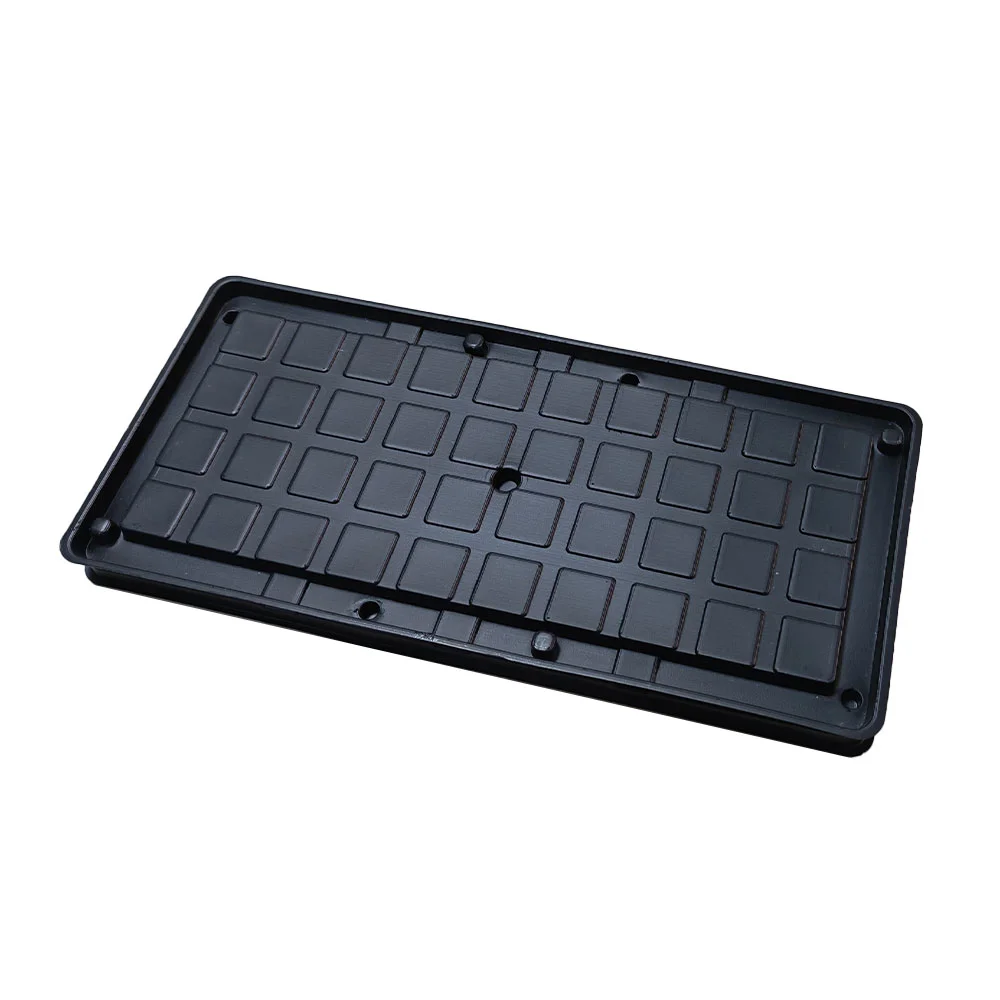
Put simply, scorpion glue traps are adhesive boards designed to catch and immobilize scorpions. When a scorpion walks across the sticky surface, it becomes trapped — unable to escape. Unlike chemical sprays or poisons, glue traps rely solely on physical capture, making them safer for people, pets, and beneficial insects.
These traps often consist of corrugated cardboard or plastic panels coated with a non-toxic, long-lasting adhesive. Some are scented or have specific surface textures to attract scorpions, increasing their efficiency. Because they don't rely on electricity or chemicals, glue traps are an ideal solution for a broad spectrum of practical uses, including sensitive ecological settings and disaster-stricken areas where controlling pests quickly and safely is critical.
Core Components That Define Quality
- Adhesive Strength: The glue must hold fast in a variety of climates—humidity, heat, and dust shouldn't degrade it quickly.
- Durability: The trap’s substrate (cardboard or plastic) has to resist moisture and wear for weeks. In field tests, some traps last up to 30 days effectively.
- Eco-Friendliness: Non-toxic adhesives and recyclable base materials help reduce environmental impact, aligning with the growing preference for sustainable pest control solutions.
- Ease of Use: Compact design and lightweight materials mean traps can be rapidly deployed anywhere, even in rough terrain.
- Target Specificity: Some traps incorporate attractants that make them more selective for scorpions, minimizing bycatch of non-target species.
Mini takeaway: A quality scorpion glue trap blends strong adhesive power with sustainability and ease — it’s a simple, elegant answer to a complex problem in many regions.
Global Applications & Use Cases
Scorpion glue traps find diverse applications worldwide:
- Agricultural Zones: Farmers use glue traps to protect crops and livestock, lowering risk from scorpion stings. In parts of India, for example, these traps reduce dependency on chemical pesticides, preserving soil health.
- Residential Homes: In southwestern US states, particularly Arizona and Texas, homeowners deploy traps around entry points to prevent indoor encounters.
- Post-Disaster Relief: Organizations like the International Red Cross have used glue traps in temporary shelters to manage scorpion populations in endemic regions after natural disasters.
- Remote Industrial Outposts: Mining and oil extraction sites in harsh desert climates use traps as part of integrated pest management programs.
Mini takeaway: Scorpion glue traps adapt well whether on a small patio or a sprawling agricultural field. Their portability and simplicity unlock pest control where traditional methods fail.
Vendor Comparison Table
| Vendor |
Trap Material |
Adhesive Type |
Price Per Pack (10) |
Eco Certification |
| Archer Pest Solutions |
Recycled cardboard |
Non-toxic acrylic resin |
$22.50 |
ISO 14001 certified |
| EcoTrap Industries |
Plastic polymer base |
Plant-based adhesive |
$30.00 |
Compostable |
| Safe Hold Traps |
Corrugated cardboard |
Synthetic polymer, solvent-free |
$25.00 |
No formal eco-certification |
Advantages & Long-Term Value
So, why have these humble glue boards stood the test of time? For one, cost efficiency is immediate and clear—traps are affordable both in purchase and deployment, especially when compared to costly chemical pest management systems.
From a sustainability angle, their non-toxic nature promotes environmental health. Reduced pesticide use means safer water, soil, and air, which benefits entire ecosystems.
Safety is another emotional win. Many users report peace of mind knowing they can protect children and pets without worrying about hazardous chemicals or complicated setups.
Lastly, glue traps innovate the pest control paradigm, making it accessible globally while maintaining reliability. That continuity builds trust, and in places where controlling venomous creatures is a matter of dignity and security, trust is priceless.
Future Trends & Innovations
The future of scorpion glue traps points toward smart integration and greener materials. Researchers are exploring biodegradable adhesives that maintain stickiness yet degrade harmlessly after use. Others envision traps with embedded UV attractants or pheromone mimics to boost specificity and catch rates.
Digital transformation hints at automating trap monitoring—imagine IoT devices that notify pest control teams when scorpions are caught, improving response times and data collection. While this is still emerging, it’s an exciting intersection of tech and traditional pest control.
Challenges & Solutions
Of course, no solution is perfect. Glue traps can occasionally capture non-target insects, disrupting local insect populations if not placed mindfully. Some adhesives degrade in extreme wet conditions.
Addressing these challenges requires innovation—like selective baits, improved weather-proof materials, and better education on trap placement. Many engineers advocate for combined pest-management strategies rather than relying on glue traps alone, integrating environmental controls and community awareness.
FAQ: Frequently Asked Questions About Scorpion Glue Traps
- Q: How often should I replace scorpion glue traps?
A: Typically, traps remain effective for up to 30 days, but in dusty or humid areas, replacing them every 2-3 weeks ensures optimal adhesive performance.
- Q: Are these traps safe around children and pets?
A: Yes. Scorpion glue traps use non-toxic adhesives and lack chemicals, but it’s best to place them out of reach to avoid mess or accidental contact.
- Q: Can scorpion glue traps be reused?
A: Reuse isn’t recommended as adhesive strength diminishes after the first use, potentially letting scorpions escape and reducing trap effectiveness.
- Q: Where should I place traps for best results?
A: Position them along walls, near doorways, or under furniture where scorpions travel. Avoid high-traffic areas to reduce disturbances.
- Q: How do these traps compare to chemical pest control?
A: They’re safer and more environmentally friendly but may work best as part of an integrated pest management plan rather than standalone.
Conclusion
In real terms, scorpion glue traps offer a practical, efficient, and eco-conscious method for tackling one of the lesser-discussed yet serious public health hazards. Their global usage spans agriculture, residential safety, and emergency relief, and the long-term benefits in cost and sustainability are considerable. If you’re looking for a straightforward way to protect your home, business, or community from scorpions, this technology is more than just a sticky trap — it’s peace of mind.
To explore trusted products and expert advice, visit our website.
Oddly enough, sometimes the simplest tools carry the most profound impact.
- World Health Organization: Scorpion Stings
- Wikipedia: Scorpion
- ISO 14001 Environmental Management