Flypaper Trap: Sticky Solutions Tackling Global Insect Challenges
At first glance, a flypaper trap might seem like a humble pest control tool—just sticky paper catching flies. But when you zoom out to the global scale, it’s a surprisingly clever invention that intersects with health, environmental sustainability, and even humanitarian efforts. Understanding these simple yet effective traps reveals why they matter beyond your backyard. They’re affordable, chemical-free, and often biodegradable solutions in places where mosquitoes or flies spread disease, contaminate food, or disrupt ecosystems.
Why Flypaper Traps Matter Worldwide
According to the World Health Organization, vector-borne diseases like malaria and dengue fever put nearly half the world’s population at risk. Mosquito control is a multi-billion-dollar global challenge, and conventional insecticides pose environmental and health risks. This is where flypaper traps gain serious relevance—they offer a non-toxic, low-cost control method that scales in industrial, commercial, and humanitarian contexts.
In parts of Asia, Africa, and South America especially, flypaper and similar sticky traps are often part of integrated pest management. As the climate warms, insect vectors are expanding their range, meaning the need for simple, scalable flypaper traps is only growing.
Mini takeaway: Flypaper traps are tiny players in the huge puzzle of disease control, food safety, and environmental protection worldwide.
What Exactly Is a Flypaper Trap?
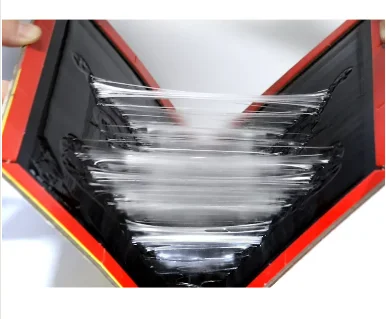
Simply put, a flypaper trap is a strip or sheet coated with a sticky adhesive that catches flies and other flying insects when they land on it. Unlike sprays or electric zappers, these traps don’t kill insects with poison or electrocution—they rely on sticky adhesion. The concept goes back centuries but remains effective and relevant because of its simplicity and minimal environmental footprint.
Beyond kitchens or patios, modern flypaper traps are used in food processing plants, greenhouses, warehouses, and even humanitarian aid packs. Their connection to modern industry lies in safety compliance and reducing contamination without harmful chemicals, while NGOs use them to improve living conditions in vector-prone refugee camps.
Core Features that Define a Quality Flypaper Trap
1. Adhesive Strength & Safety
The glue must be strong enough to trap flies but safe for humans and pets. Many manufacturers now formulate non-toxic, biodegradable adhesives that don’t emit harmful fumes. I noticed that some traps even use plant-based resins — an eco-friendly plus for indoor use and sensitive environments.
2. Durability and Shelf Life
A flypaper trap that dries out or loses stickiness after a few days doesn’t last in industrial settings or disaster zones. Good products maintain tackiness for weeks, even in varying humidity or temperature. Some brands add UV-resistant coatings for longer life in sun-exposed areas.
3. Size & Deployment Flexibility
Flypaper traps come in strips, rolls, or custom shapes to suit different environments—from small home kitchens to large warehouses. Easy deployment and disposal are critical, especially in large-scale agricultural or disaster relief efforts.
4. Environmental Impact
Modern traps increasingly use biodegradable materials and adhesives, addressing concerns about microplastic pollution and ecosystem damage. This is essential for NGOs and industries committed to sustainability.
5. Cost Efficiency
While cheap traps flood the market, quality products strike a balance between price and performance, making them ideal for large-scale distribution (think refugee camps or remote farms).
| Feature |
Typical Spec |
Importance |
| Adhesive Type |
Non-toxic, plant-based resin |
Safety & effectiveness indoors |
| Dimensions |
3" x 6" strips or 10m rolls |
Versatile deployment |
| Durability |
Up to 4 weeks of tackiness |
Long-term efficacy |
| Material |
Biodegradable paper |
Eco-friendly disposal |
| Price Range |
$0.10 - $0.40 per strip |
Cost-effectiveness |
Mini takeaway: It’s about balancing strength, safety, and sustainability — without blowing the budget.
Flypaper Trap In Action: Global Use Cases
Flypaper traps shine in places where chemical controls aren’t suitable—like food warehouses in Europe, open-air markets in Southeast Asia, or refugee camps in Africa. For instance, flypaper trap usage in post-disaster relief zones helps reduce insect populations around temporary shelters without exposing displaced families to harsh chemicals.
In greenhouse agriculture, these traps catch pests early on to minimize pesticide use, supporting organic farming initiatives in countries like Spain and the Netherlands. Industries prone to contamination, such as pharmaceuticals and food processing, value flypaper traps for their regulatory compliance too.
Oddly enough, some museums and libraries use them to protect priceless collections from insect damage—proof that simple can be sophisticated.
Vendor Comparison: What to Look For?
| Brand |
Adhesive Type |
Biodegradability |
Average Lifespan |
Price per Unit |
Best For |
| EcoStick Pro |
Plant-based resin |
Yes |
3–4 weeks |
$0.35 |
Greenhouses & kitchens |
| StickyFly Classic |
Synthetic adhesive |
No |
2 weeks |
$0.15 |
Indoor home use |
| NatureTrap |
Natural resin + beeswax |
Yes |
4 weeks |
$0.40 |
Organic farms & markets |
Long-Term Value of Flypaper Traps
Beyond the stickiness, flypaper traps embody sustainability and reliability. They reduce reliance on toxic pesticides that harm pollinators and ecosystems, while being highly affordable for large deployments worldwide. For communities in vulnerable areas, these traps provide a layer of safety—reducing insect-borne infections and improving sanitation.
Emotionally, a flypaper trap may not seem glamorous, but it represents an innovation grounded in trust and dignity. Many field workers and farmers prefer these low-tech solutions that don’t require electricity or special training.
What's on the Horizon for Flypaper Traps?
Innovation is quietly buzzing behind the scenes: some teams are developing smart flypaper traps embedded with sensors that detect insect species or population spikes. Others experiment with biodegradable plastics infused with natural repellents, boosting effectiveness without extra chemicals.
Policies encouraging green pest control, as recommended by the UN Environment Programme, are pushing for alternatives like flypaper traps, especially in agriculture and humanitarian relief. I suspect the next decade could bring new materials and digital tracking that transform these sticky sheets into smart devices—perhaps revealing the cyborg flypaper trap?
Challenges & Expert Solutions
No solution is perfect, and flypaper traps have limits. They don't catch all pests (gnats or mosquitoes can be too small or light), and their disposal must be managed to avoid litter. In humid climates, adhesive may degrade faster.
Experts recommend integrating flypaper traps with other methods—like controlled airflow, biological pest controls, or targeted insecticide use—to maximize results. This “mixed-method” approach, combined with ongoing monitoring, is the frontline strategy in sustainable pest control.
FAQ: Flypaper Trap Essentials
- How long does a flypaper trap remain effective?
- Most quality flypaper traps last between 2 to 4 weeks, depending on environmental conditions like humidity and temperature. Always check manufacturer guidelines and replace once the trap gets covered or the adhesive dries out.
- Are flypaper traps safe for use around children and pets?
- Yes, when using non-toxic adhesives and placing traps out of children’s or pets’ direct reach. Many modern flypaper traps use eco-friendly, non-toxic materials designed for indoor use.
- Can flypaper traps be reused or recycled?
- Flypaper traps are generally single-use and should be disposed of responsibly. However, biodegradable options help reduce environmental impact. Recycling varies and often isn’t feasible due to the adhesive.
- Do flypaper traps work against mosquitoes as well as flies?
- They can catch mosquitoes, but typically less effectively than flies, as mosquitoes are lighter and may not land long enough. Combining flypaper traps with other mosquito control methods is recommended.
- Where can I buy commercial-grade flypaper traps?
- Many pest control suppliers and online retailers offer commercial-grade flypaper traps. For large-scale procurement, suppliers listed on platforms like flypaper trap vendors are good places to start.
Conclusion: The Sticky Hero We Underestimate
Flypaper traps are quietly doing their sticky work worldwide—cutting insect populations with minimal fuss, cost, and impact. Whether it’s protecting food supplies in industrial zones or safeguarding vulnerable families in refugee camps, these unassuming sheets stick around as key players in sustainable pest control.
If you want to explore effective, eco-friendly pest control options, don’t overlook the humble flypaper trap. It might just be the simple solution you need.
For more insights and product options, visit our website: https://www.hbarcherfish.com
References:
- WHO Vector-Borne Diseases Fact Sheet
- UN Environment Programme on Sustainable Pest Management
- Wikipedia: Flypaper