Understanding Fly Trap Tape: A Sticky Solution with Global Impact
Fly trap tape might sound like a niche, almost quirky topic, but don’t be fooled — it’s a surprisingly important tool in pest control worldwide, especially in industries like agriculture, food processing, and public health. Simply put, it’s a sticky tape designed to catch flies and other flying insects, helping reduce insect populations without chemicals. Globally, where food safety, disease control, and sustainable pest management matter more than ever, understanding fly trap tape offers a practical, cost-effective approach to these challenges.
Before we dig into the nitty-gritty, here’s the big picture: fly trap tape is an eco-friendly pest control option that’s used from small farms in Africa to massive food warehouses in Europe. It’s part of a global movement to reduce insect-borne diseases and contamination in food supply chains, aligning with sustainable development goals highlighted by organizations like the United Nations. Not glamorous? Maybe not, but its widespread, low-tech simplicity is oddly powerful.
Why Fly Trap Tape Matters Globally
Did you know that flies are vectors for over 100 different pathogens? According to the WHO, diseases spread by flies like salmonella and E. coli impact millions annually. Fly trap tape helps break this cycle by trapping these pests before they can contaminate surfaces or food.
Moreover, in parts of the world where pesticide use isn’t sustainable or even safe, fly trap tape offers a chemical-free alternative that’s not only safe for humans and livestock but also less damaging to the environment. This ties into larger discussions around integrated pest management (IPM), a strategy endorsed by the ISO to reduce reliance on harmful chemicals globally.
What Exactly Is Fly Trap Tape?
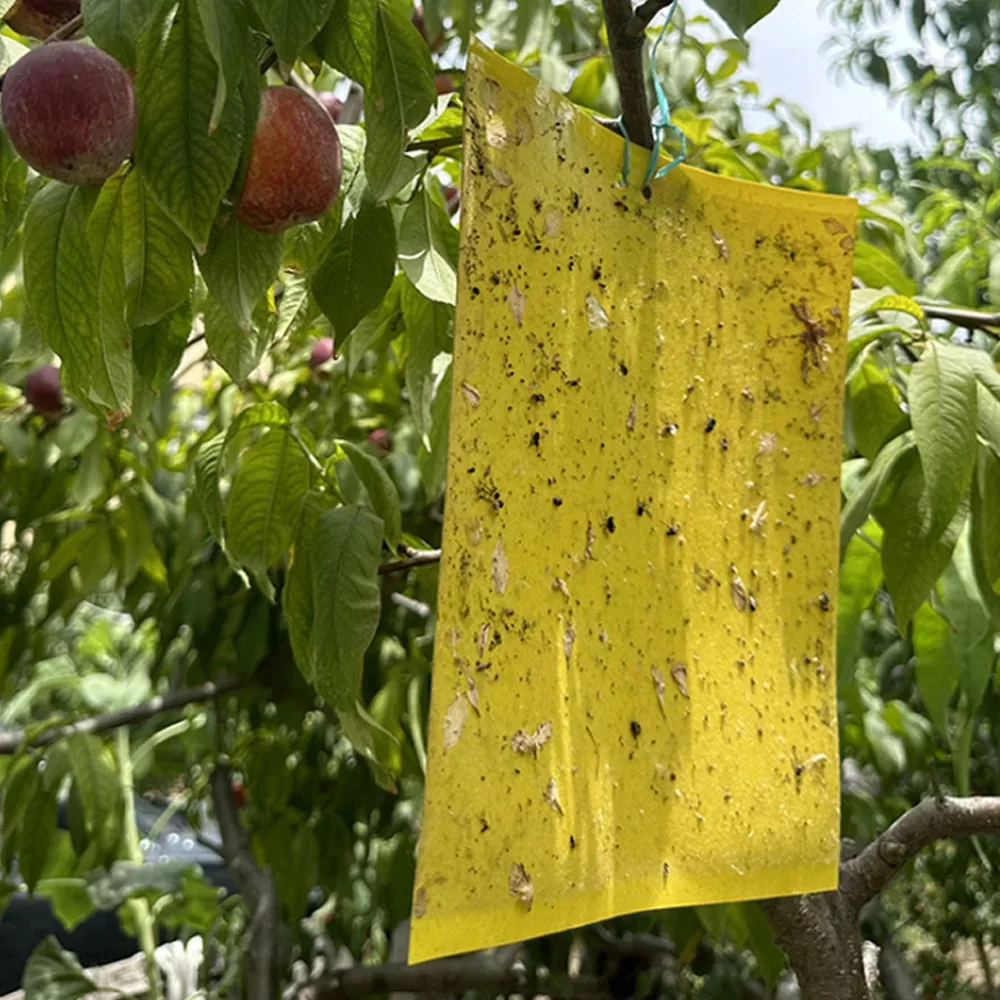
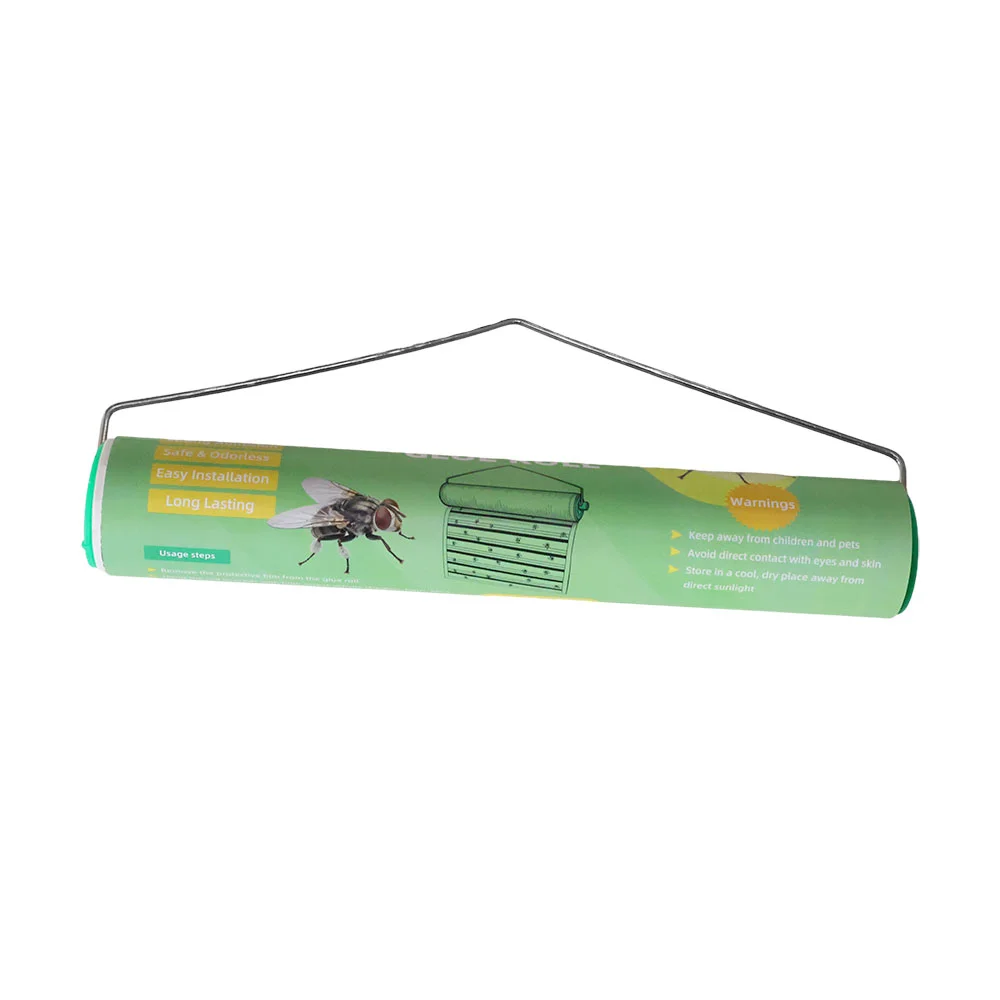
In the simplest terms, fly trap tape is a strip of durable material coated with a specially formulated adhesive that attracts and ensnares flying insects. It’s usually hung vertically in areas where flies congregate — think kitchens, barns, or warehouses. The tape’s stickiness does the rest, capturing flies without poisons or complex traps.
Behind its simple appearance lies quite a bit of thoughtful design: the adhesive must be sticky enough to hold insects but non-toxic, resistant to dust or humidity, and long-lasting so replacement is infrequent. Such qualities connect fly trap tape to broader industrial and humanitarian needs, especially in food safety and disaster relief scenarios where pest control is crucial.
Key Features of Effective Fly Trap Tape
1. Strong Adhesive Quality
Not all adhesives are created equal. The glue must last in humid, dusty, or even hot environments without losing stickiness. Many engineers and users report that tape lasting several weeks reduces labor and waste.
2. Non-Toxic & Eco-Friendly Materials
Especially around food prep or sensitive environments like hospitals, the tape must be safe for humans and pets while reducing environmental impact by avoiding chemical pesticides.
3. Durability & Tear Resistance
Fly trap tape should hold up physically — it shouldn’t rip or lose shape easily, even in airflow or minor wear. This means thicker or specially treated tapes.
4. Size and Dispensability
Packaging and length play a role: longer tapes mean less frequent replacement but more bulk. Easy tear-off designs allow customization to the needed size on-site.
5. Attraction Properties
Some tapes incorporate scent additives or colors (usually yellow) that attract flies more efficiently.
6. Cost Efficiency
For widespread use — in commercial or humanitarian setups — cost remains a keeper. The balance of durability and price is often a deciding factor for buyers.
Mini takeaway: Fly trap tape works best when quality components meet practical usability — all balanced toward sustainability in pest control.
How Fly Trap Tape Is Used Around the World
If you picture a fly strip in your grandmother’s kitchen, you have the right basic idea — but fly trap tape today plays a vital role far beyond home kitchens.
- Agricultural zones: Farms in Asia and Latin America use fly trap tape near animal shelters to reduce fly-borne diseases among livestock.
- Post-disaster relief: Humanitarian organizations deploy fly trap tape in refugee camps or emergency kitchens to tackle sanitation and pest control without relying on sprays.
- Food processing and storage: Cold storage warehouses, slaughterhouses, and food packaging facilities in Europe and North America rely on fly trap tape as part of their HACCP food safety protocols.
- Urban municipal services: City sanitation departments in densely populated areas use fly strips near trash collection sites to reduce flare-ups of fly populations.
In other words, this product is a quiet, unassuming hero in the ongoing battle against contamination and disease.
Fly Trap Tape Specifications & Features
| Specification |
Description |
| Length |
Typically 50 to 100 feet per roll |
| Width |
1.5 to 2 inches standard |
| Adhesive Type |
Non-toxic, long-lasting sticky resin |
| Color |
Bright yellow or natural |
| Shelf Life |
Up to 2 years in proper storage |
| Environmental Resistance |
Resistant to moderate humidity and dust |
Comparing Top Fly Trap Tape Vendors
| Vendor |
Tape Length per Roll |
Adhesive Type |
Price (USD) |
Eco-Friendly |
Notable Feature |
| StickySolutions Inc. |
75 ft |
Non-toxic resin |
$12.99 |
Yes |
Enhanced UV resistance |
| EcoTrap Supplies |
100 ft |
Bio-based adhesive |
$15.49 |
Yes (Certified) |
Compostable backing |
| PestGuard Pro |
50 ft |
Synthetic adhesive |
$9.99 |
No |
Extra sticky for rapid catch |
The Advantages & Long-Term Value of Fly Trap Tape
Fly trap tape offers an intersection between simplicity and efficiency: low upfront costs, ease of use, and minimal ongoing maintenance. For businesses worried about food contamination, it means fewer inspections failed and fewer costly recalls. For communities, it translates into better health outcomes.
Emotionally, it’s reassuring to know there’s a safe, quiet solution that respects the environment — no harsh chemicals lingering in the air or on surfaces. And from a reliability standpoint, it works 24/7 without power or monitoring beyond occasional replacement.
Innovations Shaping the Future of Fly Trap Tape
We’re seeing some cool shifts in materials science here. Imagine fly trap tape that not only traps flies but is biodegradable or infused with natural repellents. Some companies experiment with integrating IoT sensors — yes, little digital smarts that tell you when tape is saturated and needs replacing, reducing waste and labor.
Additionally, trends toward greener adhesives and sustainable backings mean both manufacturers and users increasingly focus on lowering the ecological footprint without compromising effectiveness. And, as digital transformation sweeps through supply chains, tracking fly population trends via such tools may become a norm.
Challenges and Practical Solutions
Okay, fly trap tape isn’t perfect. Sometimes it gets dusty or less sticky too quickly, especially in dusty or wet environments. In heavily infested areas, tape alone won’t solve a pest problem and might require integration with other IPM strategies.
Experts recommend regular cleaning of surrounding areas and placement strategies that avoid cross-contamination. Using enclosed bait systems alongside tape can enhance overall effectiveness. And suppliers now offer tapes with dust-resistant coatings, which helps somewhat.
FAQ: Your Top Questions About Fly Trap Tape
Q1: How long does fly trap tape remain effective once hung?
A: Most fly trap tape maintains stickiness for 3 to 6 weeks, depending on environmental conditions like dust, humidity, and exposure to sunlight. Regular checks will help maximize performance.
Q2: Can fly trap tape be safely used in food preparation areas?
A: Yes, provided the tape is certified food-safe and positioned away from direct contact with food or utensils. Many tapes are designed to meet food safety standards and are free from harmful chemicals.
Q3: What’s the best way to dispose of used fly trap tape?
A: Disposal depends on the tape material; eco-friendly tapes can often be composted, but most should be handled as general waste to avoid environmental issues. Always check supplier guidelines for disposal.
Q4: Are colored fly trap tapes more effective than plain ones?
A: Yellow tapes often attract more flies due to color preferences, so many brands incorporate bright yellow backing to enhance attraction — a simple, proven trick.
Q5: Can fly trap tape replace chemical pesticides entirely?
A: In some situations, yes — especially small-scale or indoor environments. However, for large-scale infestations or outdoor farming, integrated pest management with multiple tools remains best practice.
Final Thoughts: Why Fly Trap Tape Deserves Your Attention
Fly trap tape is that low-profile solution that just quietly works — sustainable, cost-effective, and surprisingly impactful against fly-borne health risks worldwide. Whether you’re managing a warehouse, running a farm, or organizing relief operations, it’s worth having this sticky weapon in your pest control arsenal.
If you want to learn more or shop for top-quality fly trap tape, visit our partner site: fly trap tape. You might find exactly what you need for your next project.
References:
- United Nations Sustainable Development Goals
- World Health Organization: Vector-borne Diseases
- International Organization for Standardization (ISO) - Pest Control Standards