Understanding the Fruit Fly Sticky Trap: A Simple Solution to a Global Nuisance
Fruit flies might be tiny, but their impact around the world isn’t. From household kitchens to sprawling agricultural fields, these pests are unwelcome guests that can spoil crops, spread disease, and trigger costly infestations. Enter the fruit fly sticky trap — a deceptively straightforward tool that packs a punch in controlling these pesky insects.
Grasping the ins and outs of fruit fly sticky traps means more than just keeping your fruit bowl safe. It’s a global matter impacting food security, sustainable farming, and public health. Plus, with rising awareness about eco-friendly pest control, knowing how these traps work and where they fit in modern pest management shows real promise.
Mini takeaway: The fruit fly sticky trap is a small but mighty player in pest control, balancing simplicity and efficiency — which matters to farmers and households alike worldwide.
Why Fruit Fly Sticky Traps Matter Globally
Oddly enough, these minuscule flies have an outsized effect. According to the Food and Agriculture Organization (FAO), fruit and vegetable production losses due to pests including fruit flies can reach upwards of 20-40% in some countries, especially those relying heavily on export agricultural markets.1 That’s no small bite out of food supplies or economic stability.
But the story isn't just about lost produce. Fruit flies carry pathogens contaminating food and surfaces — raising health alarms. Using chemical pesticides to control them is becoming increasingly frowned upon due to resistance buildup and environmental concerns.Enter the fruit fly sticky trap.
These traps address a mounting challenge: How do we control pests effectively, affordably, and without jeopardizing ecosystems or human health? The sticky trap answers by offering a low-toxicity, non-chemical alternative adaptable across regions, climates, and even disaster relief settings where food safety is vital.
Mini takeaway: Fruit fly sticky traps fill a pressing need worldwide — balancing pest control efficiency with sustainability and safety.
What Exactly Is a Fruit Fly Sticky Trap?
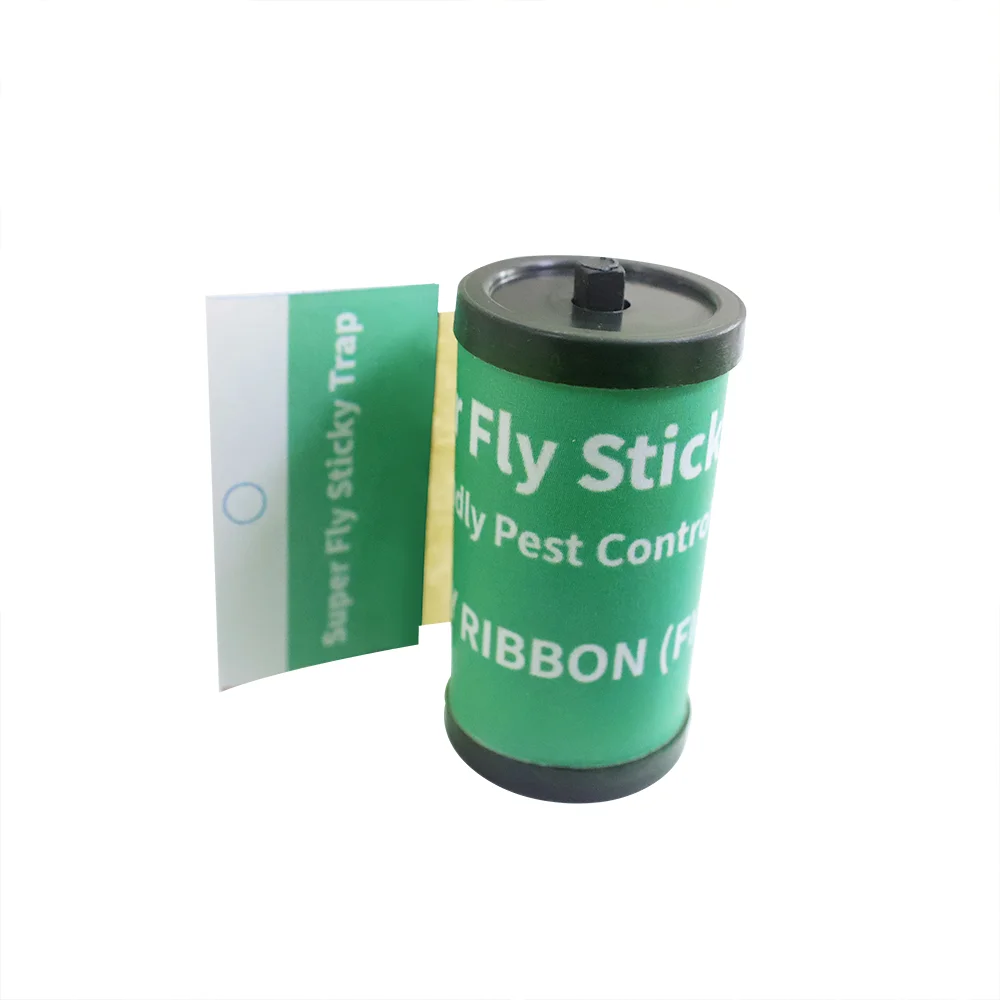
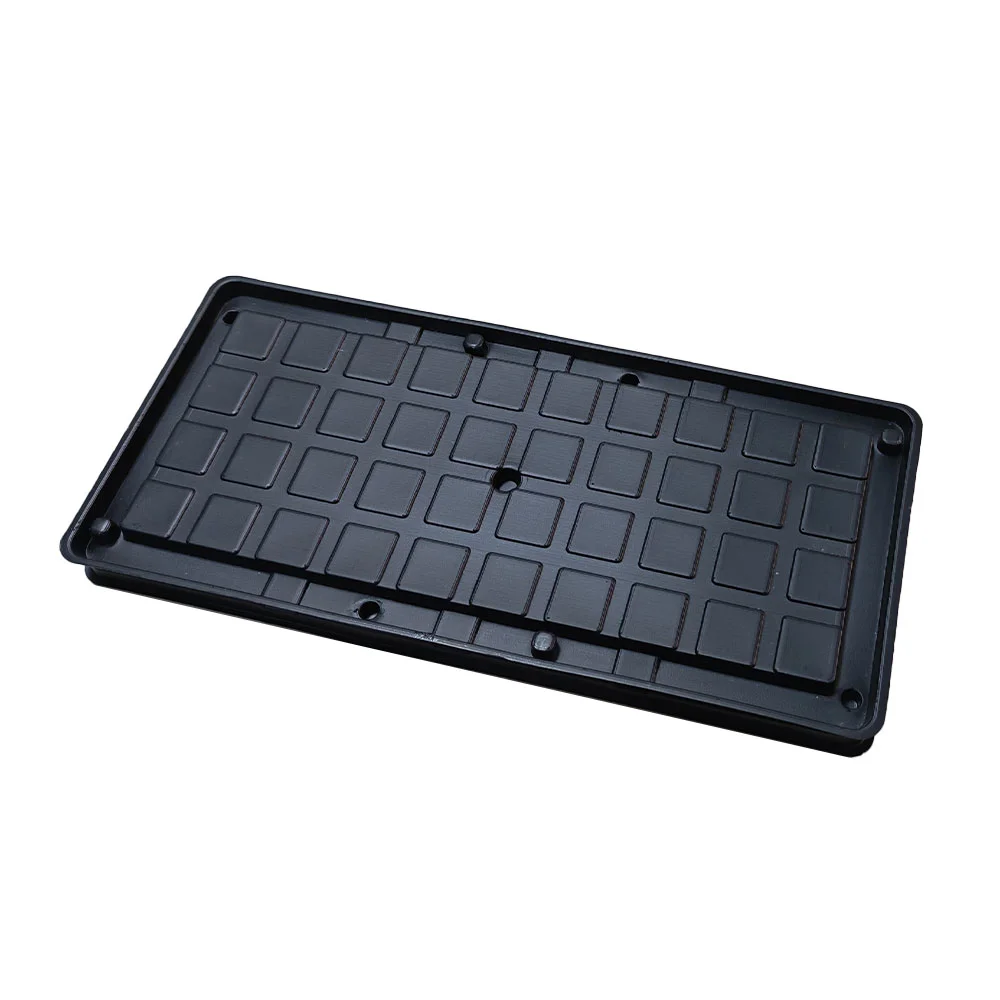
Simply put, a fruit fly sticky trap is a device designed to attract, trap, and hold fruit flies using a combination of visual cues and adhesive surfaces. Usually, it’s a brightly colored card (yellow being a crowd favorite) covered in a sticky, non-toxic glue that fruit flies can’t resist. Once drawn in, the flies get stuck, unable to escape.
In modern agricultural and commercial industries, these traps are critical for monitoring pest populations and reducing infestations without widespread pesticide use. They align well with organic farming standards and integrated pest management (IPM) programs, where minimizing chemical application is paramount.
On a humanitarian front, in settings such as refugee camps or disaster relief zones, keeping food stores pest-free is essential to health and dignity. Sticky traps offer a practical, easy-to-use solution that doesn’t require power or complex infrastructure.
Mini takeaway: At its heart, the fruit fly sticky trap is an elegant, low-tech answer to a persistent pest problem — useful for industry and humanitarian causes alike.
Behind the Scenes: Core Features of Fruit Fly Sticky Traps
1. Attractive Design & Color
Most traps rely on color psychology to lure fruit flies. Yellow is the go-to because it’s strongly attractive to many species. Shape and size vary — some have perforations or special patterns – but preventing escape is a must.
2. Adhesive Quality
The sticky layer needs to be long-lasting yet non-toxic. It can’t dry out quickly in hot climates nor leave residue on fruit. Usually, it’s a proprietary, food-safe glue designed for durability and ease of disposal.
3. Portability & Deployment
Given where these traps are used — farms, greenhouses, markets, or even makeshift homes — easy setup matters. Some come in peel-and-stick sheets; others with hangers or stakes. The idea is: quick to install, low maintenance.
4. Environmental Safety
They avoid pesticides but must still be biodegradable or recyclable to minimize environmental footprint. New innovations explore eco-friendly materials without compromising stickiness.
5. Cost Efficiency
Mass-produced traps can be surprisingly cheap, making them accessible for smallholder farmers and large-scale growers alike. Economies of scale matter, but so does quality for lasting effectiveness.
6. Sensory Additives
Some traps incorporate pheromones or baits to increase catch rates, especially for specific fruit fly species. It adds a smart twist to a traditionally passive device.
Mini takeaway: The fruit fly sticky trap is much more than just sticky paper; it’s a thoughtful blend of design, materials, and deployment suited for real-world challenges.
Where and How Are These Traps Used Around the World?
From tropical plantations in Southeast Asia to urban farmers in Nairobi, these traps span the globe.
- Agriculture: Commercial orchards and vegetable farms deploy traps as part of routine monitoring, cutting down pesticide sprays, increasing export readiness.
- Food storage and markets: Fruit vendors and storage warehouses use them to control fly populations, preventing spoilage and contamination.
- Humanitarian and remote zones: In refugee camps, where food security is fragile, sticky traps keep pests at bay without chemicals.
- Research and government programs: Some countries use sticky traps to monitor biosecurity threats, helping detect quarantine pests early.
For instance, the Department of Agriculture in Australia recommends sticky traps as a primary detection tool for the Queensland Fruit Fly, a notorious invasive pest.2 Meanwhile, NGOs in East Africa report success with traps in reducing post-harvest losses among smallholders.
Mini takeaway: Whether it’s sophisticated farm fields or makeshift food tents, fruit fly sticky traps adapt widely, proving their global utility.
Advantages and The Long-Lasting Value of Fruit Fly Sticky Traps
Honestly, their biggest strength is simplicity paired with effectiveness.
- Safe and non-toxic: Perfect for organic and urban agriculture, eliminating worries about chemical residues.
- Cost-savings: By reducing pesticide use and crop losses, traps boost profits and sustainability.
- Easy monitoring: They provide visible metrics to gauge infestation levels and time interventions smartly.
- Eco-responsible: Many traps incorporate biodegradable materials lessening plastic waste.
- Social impact: In vulnerable communities, they offer dignified pest control options that don’t jeopardize health.
Plus, it’s sort of reassuring to know that something so small can help protect livelihoods and health. In a world grappling with pesticide resistance and climate challenges, relying on nature-inspired, low-impact solutions feels like a step forward — even if it’s a modest one.
Mini takeaway: Fruit fly sticky traps blend safety, economy, and social good — a combo that ticks a lot of boxes for modern pest control.
Looking Ahead: Future Trends and Innovations
The future of fruit fly sticky traps isn’t just adhesive cards stuck in rows. Researchers and companies are exploring:
- Biodegradable substrates: Using plant-based films for the trap base to reduce plastic pollutions.
- Smart traps: Digital sensors and cameras integrated for real-time pest monitoring and automated alerts.
- Natural lures: Advanced pheromone blends mimicking natural attractants to increase specificity and catch rates.
- Bulk, community-driven deployment: Programs enabling farmers to share strategies and resources, optimizing trap distribution.
- Regulatory harmonization: International standards (like ISO 9001) ensuring quality and safety across brands worldwide.
All this points toward a more connected, environmentally thoughtful pest management ecosystem, where even simple tools become part of complex digital networks.
Mini takeaway: Innovation is alive even in sticky traps — the future looks greener, smarter, and more integrated.
Common Challenges and How Industry Addresses Them
Sticky traps aren’t without their quirks and limits.
- Limited lifespan: Adhesive dries or fills with dust and debris over time. Solution? Replace regularly or develop longer-lasting coatings.
- Species specificity: Some traps don’t attract all fruit fly variants equally. Addressed by custom lures or multi-colored designs.
- Disposal concerns: Used traps can become waste if not biodegradable. Shift toward eco-friendly materials is underway.
- Environmental variables: Wind, rain, and dust can reduce trap effectiveness. Protective covers and strategic placement help.
Many agricultural extension services recommend integrated approaches — sticky traps alongside baited traps and biological controls — to make the whole system more resilient.
Mini takeaway: Challenges are real but manageable, especially when traps are part of a bigger pest management toolkit.
FAQ: Your Most Pressing Questions About Fruit Fly Sticky Traps
Q1: How often should I replace a fruit fly sticky trap?
A1: Typically, traps remain effective for 3–4 weeks depending on environmental conditions. High heat or dust might require more frequent replacement to ensure adhesive performance.
Q2: Can these traps be used indoors and outdoors?
A2: Yes, they are versatile. Indoor use is common in kitchens and markets; outdoors, they help protect crops and fruit stores. Placement should avoid excessive wind or rain exposure outdoors.
Q3: Are fruit fly sticky traps safe for pets and children?
A3: Generally, yes. Most use non-toxic adhesives and no pesticides. Still, keep traps out of reach of children and curious pets to avoid accidental contact or ingestion.
Q4: Can these traps eliminate a fruit fly problem completely?
A4: They’re better at monitoring and reducing populations rather than total eradication. Combining traps with sanitation (removing rotting fruit) and other controls is most effective.
Q5: Where can I buy quality fruit fly sticky traps?
A5: Trusted agricultural suppliers and pest control companies offer various options. For tailored, eco-friendly solutions, check specialized vendors — like those linked on fruit fly sticky trap.
Fruit Fly Sticky Trap: Technical Specifications
| Feature |
Specification |
Remarks |
| Color |
Bright Yellow |
Most attractive to fruit flies |
| Size |
10 cm × 20 cm (standard) |
Compact for portability |
| Adhesive Type |
Non-toxic, food-safe glue |
Resistant to heat & humidity |
| Lifespan |
3-4 weeks |
Depends on environment |
| Material |
Recyclable cardboard or biodegradable polymer |
Eco-friendly options available |
| Deployment Type |
Hanging, staking, peel-and-stick |
Versatile placement methods |
Comparing Popular Fruit Fly Sticky Trap Vendors
| Vendor |
Product Range |
Price Range (per 100 units) |
Eco Credentials |
Additional Features |
| GreenTrap Co. |
Standard, pheromone-enhanced |
$35–45 |
Fully biodegradable materials |
Compostable packaging |
| EcoFly Solutions |
Various sizes, color options |
$40–55 |
Partial recycled components |
Digital monitoring compatible |
| FarmGuard |
Basic sticky traps |
$20–30 |
Standard cardboard, non-biodegradable glue |
Bulk discounts |
In Closing: Why Every Grower and Food Handler Should Know About Fruit Fly Sticky Traps
To wrap things up, the fruit fly sticky trap is one of those quietly effective tools everyone should have on their radar — whether you’re a commercial farmer, a food market operator, or running a humanitarian program. Its combination of cost-effectiveness, ease of use, and eco-friendliness makes it increasingly relevant as we strive to control pests sustainably.
Fruit flies might be tiny, but their threats aren't. These sticky traps help people across industries and continents keep just a bit more control, safety, and confidence in their food supply.
Curious to try or learn more? Visit fruit fly sticky trap for expert advice, product options, and implementation tips.
References
- Food and Agriculture Organization (FAO) - Pest Management
- Australian Dept of Agriculture - Queensland Fruit Fly
- Wikipedia - Integrated Pest Management