Why Sticky Traps for Flies Matter More Than You Think
If you’ve ever been outside on a warm day and noticed those annoying flies buzzing around, you might not have given much thought to how companies or even humanitarian groups manage them. Yet, controlling fly populations is a surprisingly big deal — globally significant, even. Sticky traps for flies are one of the simplest, low-tech tools that carry a lot of weight in sanitation, agriculture, and public health. Understanding their role illuminates how a simple piece of sticky paper can tackle global challenges like disease spread and crop contamination.
Globally, flies are not just pesky—they’re vectors for over 100 pathogens, affecting billions of people and countless animals every year (WHO). Their presence in food production areas or post-disaster zones can worsen health outcomes and economic losses. So, sticky traps don’t just eliminate a nuisance; they underpin hygiene, community wellbeing, and even economic stability.
The Global Context: Tackling a Tiny Giant of Public Health
According to WHO, vector-borne diseases account for those illnesses transmitted by insects—including flies—and disproportionately impact tropical and subtropical regions. Tackling fly infestations isn’t a local, backyard issue — it’s global. Industrial farms across the US and Europe use sticky traps extensively, but even humanitarian efforts in refugee camps or disaster relief rely heavily on them to stop disease spread.
Statistics show that controlling fly populations with environmentally safe methods reduces pesticide use by up to 30%, which matters greatly given increasing pesticide resistance and environmental concerns. Yet, despite their simplicity, sticky trap for flies solutions often get overshadowed by more high-tech measures. But they remain essential, low-cost, and scalable, especially in regions with limited infrastructure.
Let’s be honest — flies multiply fast, and conventional sprays just don’t cut it anymore in many contexts.
What Exactly Is a Sticky Trap for Flies?
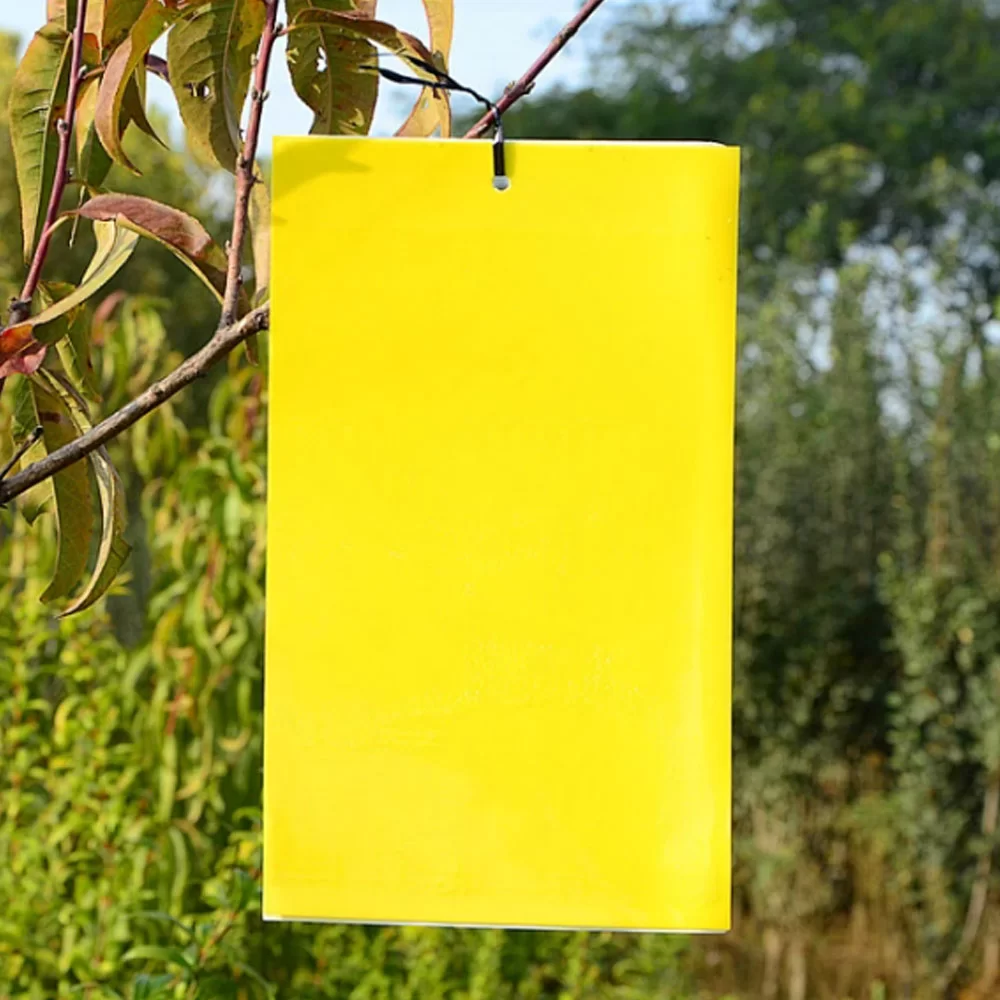
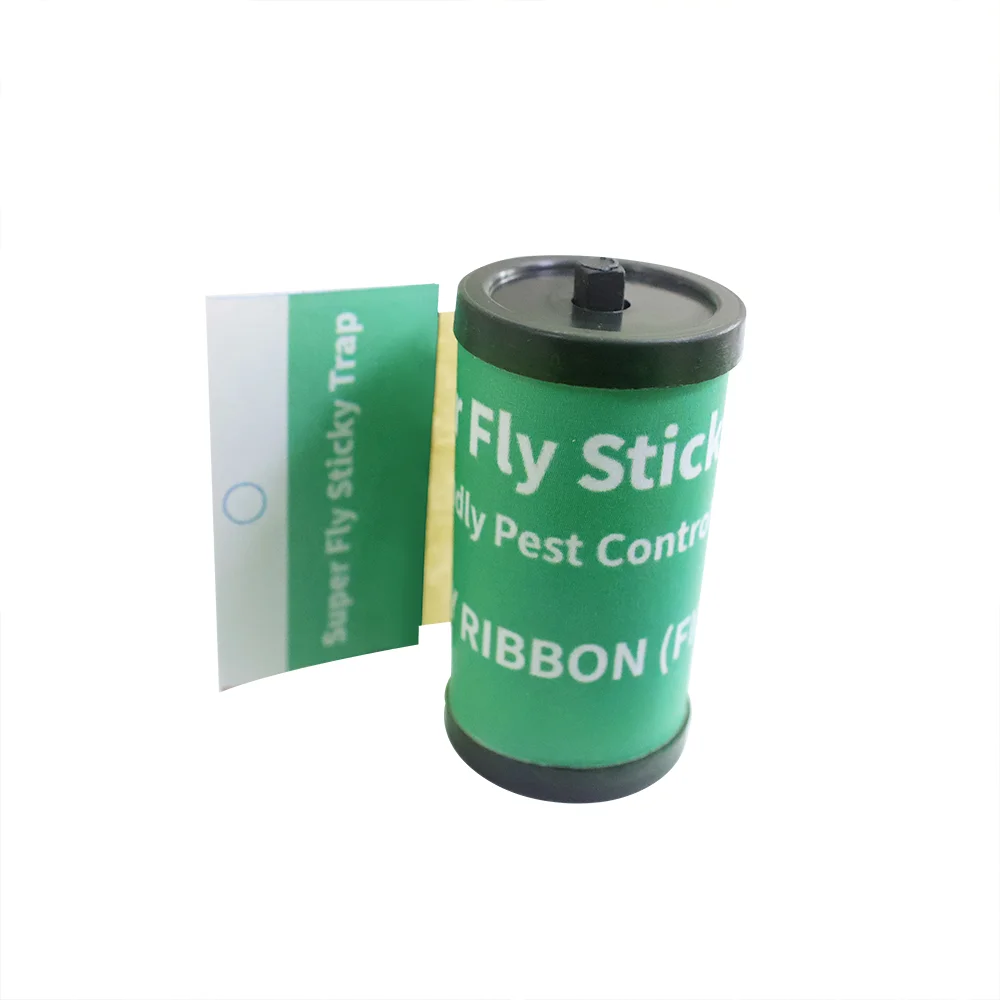
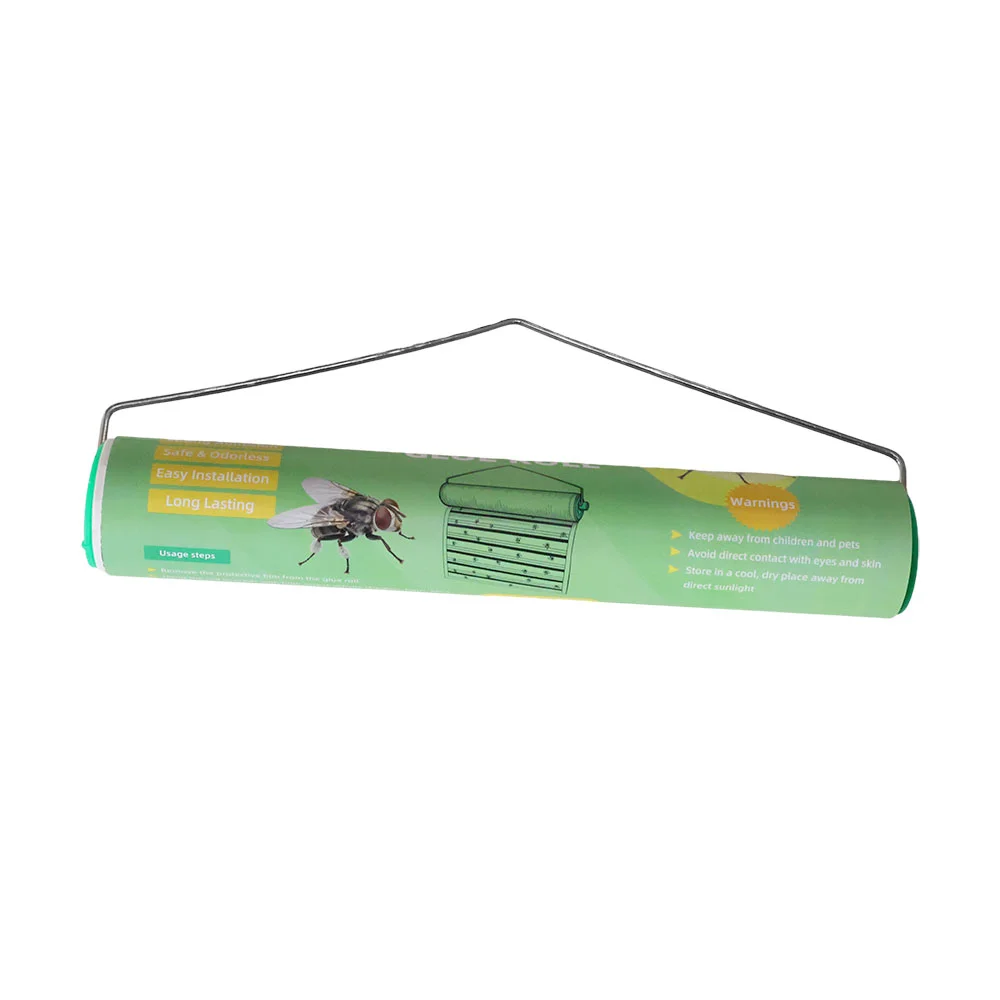
A sticky trap for flies is fundamentally a device—usually a flat board or card—coated with a highly adhesive substance designed to capture and hold flies on contact. They’re often yellow or bright colored to attract flies visually (since flies are drawn to certain hues), and no poisons or chemicals are involved. It’s a non-toxic, mechanical solution to fly control.
In modern applications, these traps range from simple household products to sophisticated designs used in agricultural settings or healthcare facilities. They are part of an integrated pest management system—a clever blend of biology, chemistry, and engineering that respects people’s safety and environmental conservation.
Essential Features of Effective Sticky Traps
1. Adhesive Quality and Durability
Not all sticky surfaces are created equal. The best traps use non-drying, resilient adhesives that keep their stickiness months after deployment. This is crucial for long-term use in humid or dusty conditions where many adhesives fail prematurely.
2. Visual Attractiveness
Color is a surprisingly powerful lure. Yellow attracts most fly species; others respond to blue or UV-reflective coatings. This visual cue reduces the need for chemical attractants and ensures more flies land on the trap.
3. Size and Portability
Sticky traps often come in varied sizes—from broad sheets for stable industrial use to compact "string-hang" designs for easy deployment in tight spaces or tents. This flexibility means they fit well with different environments and scales of application.
4. Environmental Safety
Because these traps rely on mechanical capture rather than poisonous chemicals, they’re safe for households, farms, and wildlife alike. This environmental friendliness increasingly aligns with regulations and consumer preferences worldwide.
5. Cost Efficiency
Compared with sprays or electric traps, sticky traps are cheaper upfront and don’t need electricity or refilling. This makes them economically viable for large-scale or remote operations where budgets and resources are tight.
How Sticky Traps Are Used Around the World
- Agriculture: Farms in North America and Europe place sticky traps in greenhouses and animal shelters to minimize fly-borne contamination.
- Healthcare & Food Service: Hospitals and restaurants globally deploy these traps to comply with sanitary standards.
- Humanitarian Relief: Post-disaster zones and refugee camps in Africa and Asia use them to reduce fly populations when sanitation systems are compromised.
- Residential & Urban Settings: Cities spread sticky traps in parks and waste disposal sites to reduce fly swarms during warm seasons.
For example, in post-flood regions of Bangladesh, aid organizations distribute sticky fly traps to prevent disease outbreaks when mosquito and fly populations spike. In industrial zones in California, strict food safety regulations require ongoing fly monitoring and control, with sticky traps used as a frontline method.
Sticky traps for flies are practically everywhere, silently doing their job.
Advantages & Long-Term Value
- Cost-Effectiveness: Upfront affordability and low maintenance reduce total ownership costs.
- Sustainability: Non-toxic, chemical-free design minimizes environmental impact and protects biodiversity.
- Reliability: No power dependency means dependable use in power-outage-prone areas.
- Health and Hygiene: Reduces pathogen transmission risk and improves public confidence in sanitation.
- Ease of Use: Simple application means even non-professionals can deploy them quickly and effectively.
You can probably see why many prefer sticky traps for their trustworthiness—they don’t disappoint when it counts.
Looking Ahead: Trends and Innovations
While sticky fly traps seem almost old-school, there’s an interesting wave of innovation happening. New materials are being tested to extend adhesive life under extreme weather or chemically attract more species. Biodegradable substrates align with zero-waste initiatives, breaking down naturally without landfill persistence.
Moreover, some companies are integrating smart sensors into trap frames to monitor fly capture rates remotely, aiding in data-driven pest management. Imagine a sticky trap that texts you when it needs replacement — that’s where digital transformation meets simple pest control.
Challenges and Possible Fixes
Despite their advantages, sticky traps do have drawbacks: they can become unsightly when overloaded and may trap beneficial insects if poorly placed. Plus, while they work well against flying pests, they don’t address larvae or breeding grounds directly.
Experts recommend pairing sticky traps with sanitation improvements and targeted larval control, rather than relying on traps alone. Some emerging adhesives also are designed to selectively attract only specific fly species, reducing collateral capture.
Frequently Asked Questions About Sticky Trap for Flies
- How long do sticky traps effectively capture flies?
- Most sticky traps remain effective for 4 to 8 weeks depending on environmental factors. Humidity, dust, and ultraviolet exposure can reduce adhesiveness, so regular inspection is vital.
- Can sticky traps be used outdoors or just indoors?
- While originally designed for indoor use, improved materials now allow outdoor use under sheltered conditions. Direct rain or strong wind may reduce effectiveness.
- Are sticky traps harmful to pets or children?
- No. They contain no poisons or toxic ingredients and are generally safe around pets and kids if placed out of direct reach.
- How do sticky traps compare to electric fly zappers?
- Sticky traps are quieter, chemical-free, and do not attract all insect species indiscriminately. However, zappers can cover larger areas and kill instantly but may produce ozone or noise.
- Can these traps help reduce disease transmission?
- Yes, by trapping flies that can carry pathogens, sticky traps lower the risk of contamination, especially in critical environments like hospitals or refugee camps.
Sticky Trap for Flies: A Simple Solution with Big Impact
In summary, a sticky trap for flies might seem almost too humble given global health and agricultural challenges, but its simplicity is exactly why it’s effective and enduring. Balancing cost, sustainability, and practicality, these traps support hygiene and well-being worldwide. Whether you’re a farmer, relief worker, or food service manager, a sticky trap is one tool you want in your arsenal.
For a trustworthy selection and latest innovations, visit us anytime at https://www.hbarcherfish.com. Because sometimes the smallest sticky detail makes the biggest difference.
Sticky Trap for Flies – Product Specification Table
| Feature |
Specification |
Notes |
| Adhesive Type |
Non-toxic, non-drying resin |
Maintains stickiness up to 8 weeks |
| Color |
Yellow (standard) |
Visually attracts common fly species |
| Dimensions |
8" x 12" |
Fits most indoor/outdoor applications |
| Temperature Range |
-10°C to 45°C |
Suitable for temperate and tropical climates |
| Base Material |
Recyclable cardboard or biodegradable resin |
Environmentally friendly options available |
Vendor Comparison: Leading Sticky Trap Suppliers
| Vendor |
Product Range |
Pricing |
Eco-friendly Options |
Global Shipping |
| HB Archer Fish |
Basic to professional traps |
$$ |
Yes |
Yes |
| EcoFly Solutions |
Biodegradable only |
$$$ |
100% |
Limited |
| PestFree Co. |
Electric + sticky combos |
$$$ |
Partial |
Yes |
Quick Takeaways
- Sticky traps remain a foundational tool in fly control on every continent.
- They balance affordability, safety, and efficiency better than most alternatives.
- Future innovations are enhancing their functions, making them smarter and greener.
- Combining them with good sanitation and integrated pest management yields the best results.