The Intriguing World of Polycarbonate Pigeon Spikes: Why They Matter
Polycarbonate pigeon spikes might sound niche at first glance — and, well, they sort of are — but they actually play a surprisingly big role in urban environments and building maintenance worldwide. If you've ever noticed those sharp-looking strips on ledges or rooftops, you've seen bird control in action. These spikes keep pigeons and other pesky birds from roosting and causing damage. Globally, controlling bird populations in public and private spaces isn't just about aesthetics; it’s about health, property preservation, and safety.
Understanding polycarbonate pigeon spikes means tapping into a smart, sustainable way to manage bird-related problems — one that respects wildlife but also safeguards human spaces. With rapid urbanization growing every year (UN data estimates 68% of the world population will live in urban areas by 2050), solutions that reduce conflicts between birds and humans are increasingly relevant.
Polycarbonate Pigeon Spikes in the Global Context
Birds nesting on buildings, especially pigeons, have been a global challenge that affects everything from heritage buildings to airports. The economic impact is staggering: according to the International Bird Control Association, bird damage and cleanup costs run into billions annually.
Countries all over the world are on the lookout for humane, effective, and long-lasting bird deterrent methods. That's where polycarbonate pigeon spikes come in — balancing environmental concerns with functionality. ISO standards for bird control, for example, encourage using non-lethal methods, which makes these spikes increasingly popular in the EU, USA, and Asian metropolises.
Interestingly, some cities are now implementing regulations that mandate humane bird deterrent measures — something that’s pushing industries to innovate, enhance materials, and expand applications. For building owners and facilities managers, dealing with birds is less of a nuisance and more of an operational necessity.
Mini takeaway: The global trend toward humane and sustainable bird control makes polycarbonate pigeon spikes a go-to solution, addressing regulatory, economic, and environmental demands.
What Exactly Are Polycarbonate Pigeon Spikes?
Simply put, polycarbonate pigeon spikes are strips or panels composed of polycarbonate—the super-tough, transparent plastic—you often find on ledges, signs, and rooftops to prevent birds from landing or nesting. Unlike metal spikes, polycarbonate versions resist rust, don’t easily shatter, and blend reasonably well into different environments.
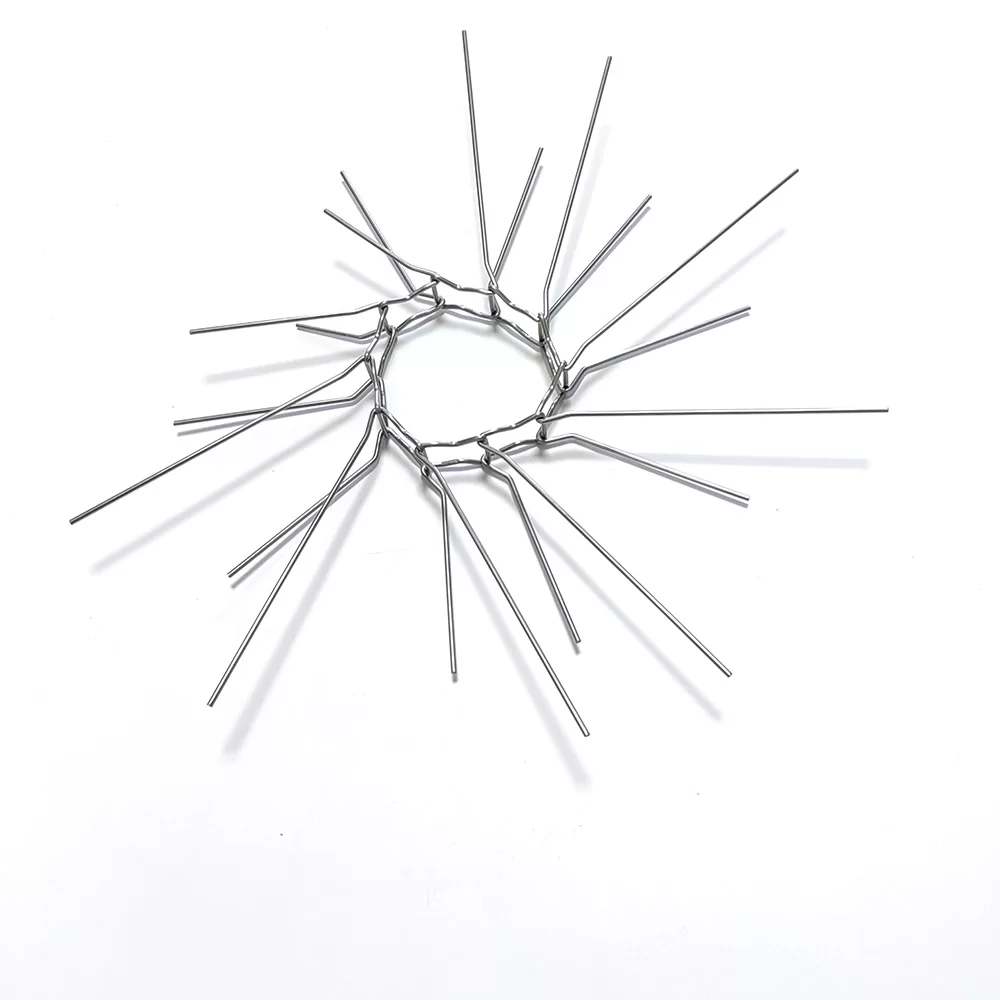
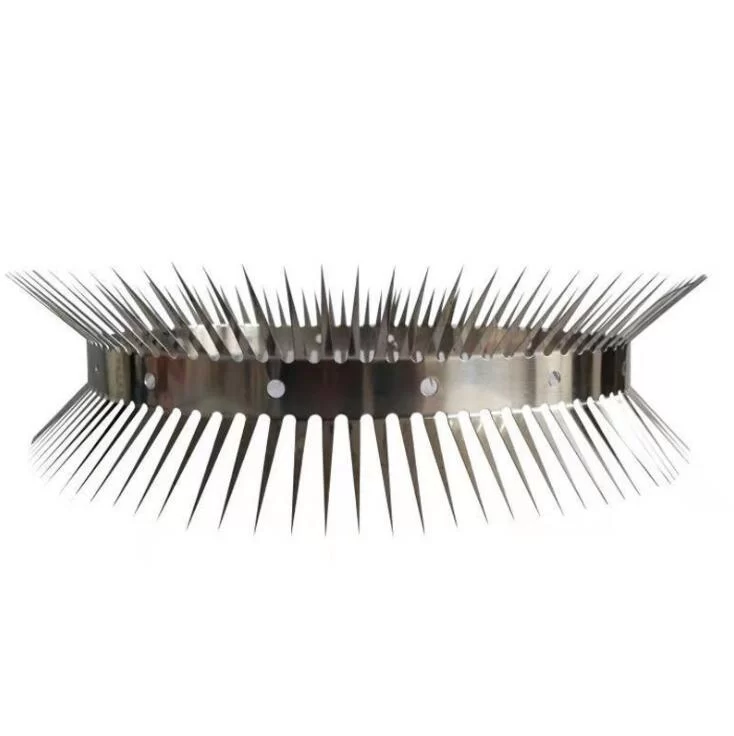
Imagine those thin, needle-like projections set upright along a ledge. They create a physical barrier without harming the birds—discouraging them from landing while preserving their natural behavior. In the modern urban context, such humane control tools align well with animal welfare guidelines and urban aesthetics.
Though a simple product, their engineering and material choice make all the difference. Polycarbonate’s durability means spikes can last up to 10 years, even under sun, rain, or snow — an important factor for building maintenance budgets.
Core Attributes of Polycarbonate Pigeon Spikes That Matter
Durability
Polycarbonate’s resistance to UV rays and weathering means spikes don’t easily crack or discolor over time. Many engineers report that with proper installation, the spikes stay functional and visually acceptable for nearly a decade.
Flexibility & Easy Installation
The material can be molded into various lengths and shapes, allowing for customization on curved or angled surfaces — a massive plus in retrofit projects. Installation is typically screw- or adhesive-based, minimizing downtime.
Cost Effectiveness
While they may cost more upfront than cheaper plastic strips, their longevity and reduced maintenance make polycarbonate spikes cost-efficient over several years.
Safety & Humane Design
Unlike sharp metal spikes that might injure birds, polycarbonate spikes have rounded tips — causing discomfort rather than harm, keeping solutions ethically sound.
Visual Appeal
Thanks to their transparency or subtle coloration, these spikes blend better with building exteriors compared to metal alternatives, which can look harsh or unsightly.
Table 1: Typical Polycarbonate Pigeon Spike Specifications
| Specification |
Detail |
| Material |
UV-stabilized polycarbonate |
| Spike Height |
Typically 5–10 cm (2–4 inches) |
| Length per strip |
30–100 cm (12–39 inches), customizable |
| Color |
Clear, amber, or custom tint |
| Installation |
Screws or industrial adhesive |
| Lifespan |
Up to 10 years |
Mini takeaway: Polycarbonate pigeon spikes’ combination of strength, humane design, and aesthetic flexibility make them a compelling choice for bird control.
Where Are Polycarbonate Pigeon Spikes Making an Impact Worldwide?
This technology is widespread—from European cathedrals protecting priceless stonework, to Asian airports ensuring flight safety, and busy city centers in the Americas reducing pigeon mess on public benches and storefronts.
- Urban Infrastructure: Municipal governments deploy these spikes on bridges, stadiums, and public transport stops.
- Aviation Industry: Airports use them extensively to reduce bird strikes, saving lives and millions in repairs.
- Heritage Conservation: Historic sites use gentle deterrents like polycarbonate spikes to avoid damaging aging stonework from acidic droppings.
- Industrial Zones: Warehouses and factories keep their premises clean, especially in foods and pharmaceuticals.
For instance, in London, a city familiar with notoriously aggressive pigeons, councils report a 40% drop in bird-related damage after switching exclusively to these spikes. In Dubai, airport authorities adopted polycarbonate spikes for their balance of durability and aesthetics around terminals — a real win for such a design-sensitive environment.
Mini takeaway: Polycarbonate pigeon spikes are global solutions being adopted by diverse industries to reduce bird conflicts humanely and effectively.
The Practical Advantages & Lasting Value of Polycarbonate Pigeon Spikes
From a bird’s-eye view (pun intended), the benefits of polycarbonate spikes stack up well:
- Cost Savings Over Time: Their longevity means lower replacement frequencies.
- Sustainability: Polycarbonate’s recyclability and the humane approach align with green building standards.
- Building Safety & Hygiene: By minimizing bird droppings, they protect surfaces from corrosion and health hazards.
- Enhanced Public Perception: Clean, bird-free façades can boost property value and neighborhood pride.
Emotionally, building managers often mention the trust they gain from clients when spaces remain pest-free without resorting to harmful tactics. It’s an assurance that their investment respects wildlife while remaining practical.
Looking Ahead: Innovations and Trends in Bird Control
The industry isn’t stagnant. Advanced polycarbonate formulations now focus on higher impact resistance and longer UV stability. Some companies add antimicrobial coatings to spikes, a game changer for hygiene-critical environments.
With digital transformation, smart sensors detecting bird activity are paired with spikes for real-time monitoring — almost growing into integrated bird management solutions.
Sustainability takes center stage too. Bioplastics and recycled polycarbonate blends are emerging. Regulations favor eco-friendlier approaches, too — nudging companies to innovate further.
Challenges and How Experts Are Tackling Them
No solution is perfect. Some challenges with polycarbonate pigeon spikes include:
- Initial Installation Complexity: Retrofitting on curved or uneven surfaces can be tricky, but flexible designs and 3D-printed custom units help.
- Maintenance: Dust and grime can reduce effectiveness over time — pressure washing and self-cleaning coatings are being explored.
- Cost Sensitivity: Not every low-budget project can swing top-tier spikes — hybrid solutions combining metals and polycarbonates are a workaround.
Experts recommend early consultation during building design and regular inspections post-installation — the sort of practical wisdom that prevents future headaches.
Frequently Asked Questions About Polycarbonate Pigeon Spikes
- Are polycarbonate pigeon spikes safe for birds?
- Yes, they are designed to deter birds without causing injury. The spikes have rounded tips, providing discomfort but not harm, aligning with humane bird control policies.
- How long does it take to install these spikes on a typical roofline?
- Depending on surface complexity and size, installation can vary from a few hours to a couple of days. Flexible strips and adhesive systems speed up the process compared to metal counterparts.
- Can polycarbonate spikes withstand extreme weather conditions?
- Absolutely. UV resistance and impact strength mean they hold up against sun, rain, snow, and even hail. Many manufacturers guarantee up to 10 years of durability.
- Are these spikes customizable for different architectural needs?
- Yes, polycarbonate can be molded into various lengths, widths, and colors to match different building designs, including curved or angled ledges.
- How do polycarbonate pigeon spikes compare cost-wise to metal spikes?
- While the upfront cost is usually higher for polycarbonate spikes, their longevity and lower maintenance often make them more cost-effective over time.
Vendor Comparison: Choosing the Right Supplier for Polycarbonate Pigeon Spikes
| Vendor |
Material Quality |
Customization Options |
Warranty |
Typical Lead Time |
Price Range |
| UrbanGuard Spikes |
High-grade UV stabilized polycarbonate |
Full custom shapes and colors |
10 years |
2–4 weeks |
$$$ |
| SafeNest Controls |
Standard polycarbonate with optional coatings |
Pre-set lengths only |
7 years |
1–3 weeks |
$$ |
| EcoSpike Solutions |
Recycled polycarbonate blend |
Custom shapes on request |
5 years |
3–5 weeks |
$ |
Wrapping Up: Why Polycarbonate Pigeon Spikes Make Sense for the Long Haul
It's easy to overlook these simple-looking strips that line our rooftops and ledges, but polycarbonate pigeon spikes are quietly transforming bird control challenges globally. They combine durability, humane design, and aesthetic flexibility — crucial in today's urbanized and regulation-conscious world.
For anyone managing buildings, airports, or public spaces, investing in quality pigeon deterrents isn't just about keeping birds away. It’s about safeguarding property, reducing health risks, and projecting an image of responsible stewardship. If that sounds like your kind of thing, take a closer look at polycarbonate pigeon spikes. There’s more to them than meets the eye.
Stay curious, and keep those pigeons at bay!