Why Buy Sticky Mouse Traps for Industrial Pest Control?
Having spent quite a few years navigating warehouses, manufacturing floors, and commercial kitchens, my eye tends to catch the subtle signs of rodent activity. Mouse problems, in real terms, aren’t just a nuisance; they can cause real headaches—product contamination, damage to cables, and frankly, just a bad look if you run a food-grade facility.
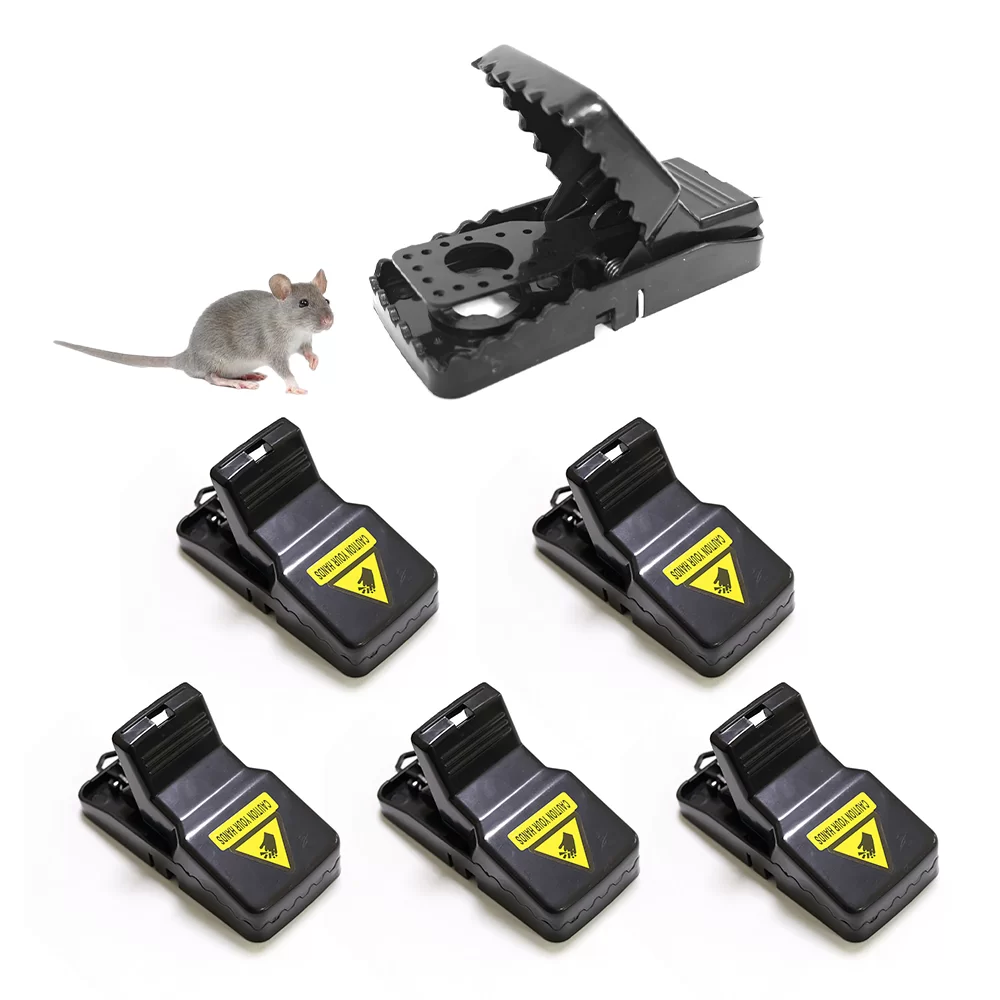
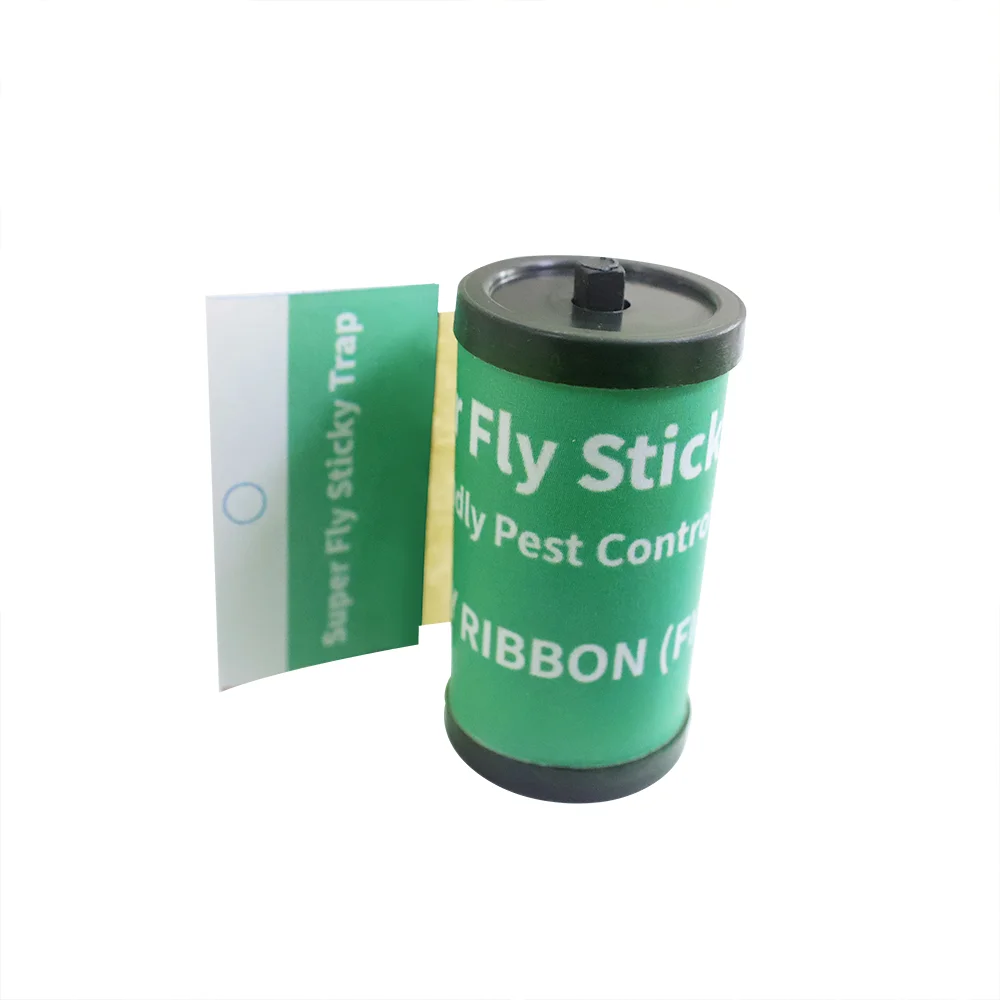
Sticky mouse traps, for me, have always felt like a refreshing solution. No messy poisons, no spring-loaded snaps that need a steady, confident hand to set up. Instead, you get these quiet, efficient traps, coated with a powerful adhesive that simply immobilizes the mice when they wander across. The catch? You want something tough enough to last in rough environments but sensitive enough not to suffer from dust build-up or weakening.
Key Features in Sticky Mouse Trap Design
Over the years, I've noticed the trend is moving towards more robust materials—usually heavy-duty cardboard or even plastic bases coated with non-toxic adhesives. Some traps come with a protective lip or cover to reduce dust and keep the glue tacky longer. Oddly enough, simple doesn’t mean cheap. A lot of engineering goes into making sticky traps that can be used in dusty, damp industrial environments.
Customization is common too. Some manufacturers offer larger surface areas, tailored glue formulas, or pre-scored fold lines that allow users to shape traps into corners or along baseboards easily. These little details make a huge difference when deploying traps across sprawling facilities.
Sticky Mouse Trap Product Specifications
| Specification |
Description |
| Adhesive Type |
Non-toxic, waterproof, high-tack glue |
| Base Material |
Heavy-duty cardboard or recyclable plastic |
| Size |
Approx. 20cm x 15cm (7.8" x 5.9") |
| Shelf Life |
Up to 9 months when stored properly |
| Usage Environment |
Ideal for dry to moderately humid industrial settings |
| Disposal |
Safe to dispose of in regular waste; check local regulations |
Comparing Popular Sticky Mouse Trap Vendors
To keep things practical, here’s a quick vendor comparison table. I’ve worked with various suppliers and it’s clear that not all sticky traps are created equal. A name that comes up often—and with good reason—is HB Archer Fish. They combine excellent adhesive tech with thoughtful design.
| Vendor |
Adhesive Quality |
Durability |
Price per Pack |
Special Features |
| HB Archer Fish |
High tack, long-lasting |
Water & dust resistant |
$15/pack (10 traps) |
Eco-friendly, foldable design |
| StickyPro |
Medium tack, biodegradable |
Moderate durability |
$12/pack (12 traps) |
Scent-free, odorless |
| RodentCatch |
Standard adhesive |
Lower durability in humid areas |
$10/pack (8 traps) |
Basic cardboard base |
An Industrial Engineer's Perspective on Sticky Mouse Traps
Oddly enough, one of the toughest parts about using sticky mouse traps isn’t the trap itself, but placement. I remember a site where the traps kept failing because they were placed behind pallets too close to heavy dust zones. The glue would lose tack, and mice simply learned to hop over. Lesson learned: understanding how environmental conditions affect adhesive longevity is key.
When I switched to a product like those from HB Archer Fish, the results improved. Their traps held up well for weeks, even when dust was a player in the game. Plus, the eco-friendly angle made disposal less of a guilt trip. If you’re considering whether to buy sticky mouse traps yourself, make sure to factor in the conditions where they’ll be used—for example, climate, dust, and expected exposure time. It’s often better to invest a little more upfront than keep chasing the same mice around.
In closing, sticky mouse traps serve a niche that traditional snap or bait traps can’t always fill, especially in large industrial spaces. They’re discreet, low-maintenance, and frankly a bit satisfying when you see the “catch” at daybreak. If you want to avoid hassle and increase your pest control effectiveness, these traps are worth a try.
— Mike H., Industrial Equipment Specialist and longtime observer of pest control trends
References & Further Thoughts
- Industry Pest Control Reports, 2023 – Trends in adhesive trapping
- HB Archer Fish Product Manuals and Customer Feedback, 2024
- Personal field notes from industrial pest management projects, 2018-2023