Understanding White Fly Traps: Why They Matter More Than You Think
White fly traps might sound like a niche gardening gadget, but in reality, they play an outsized role in agriculture and food security around the world. These simple yet effective devices help control the whitefly populations that damage crops and spread plant diseases—issues that can hit both smallholder farmers and large-scale agricultural enterprises hard. With climate change nudging pests towards new territories, understanding and investing in effective white fly traps can help ensure healthier crops, better yields, and more sustainable food systems globally.
The Global Challenge of Whitefly Infestation
Globally, whiteflies rank among the most destructive pests to agriculture. According to the Food and Agriculture Organization (FAO), whitefly outbreaks have been linked to significant yield losses in staple crops like tomatoes, cotton, and cassava—up to 50% in some regions. As temperatures rise and global trade grows, whitefly spread is becoming a bigger headache for farmers in Africa, Asia, and beyond. Left unmanaged, these pests not only reduce productivity, but also increase reliance on chemical pesticides, which have environmental and health costs.
White fly traps emerge here as a frontline defense. By reducing whitefly populations with minimal chemical use, they support sustainable farming and protect rural livelihoods. But it's not just about pest control — it's also about protecting biodiversity and supporting resilient food systems.
Mini Takeaway:
- Whitefly infestations threaten global agriculture and food security.
- White fly traps help reduce pest pressures sustainably and effectively.
So, What Are White Fly Traps Exactly?
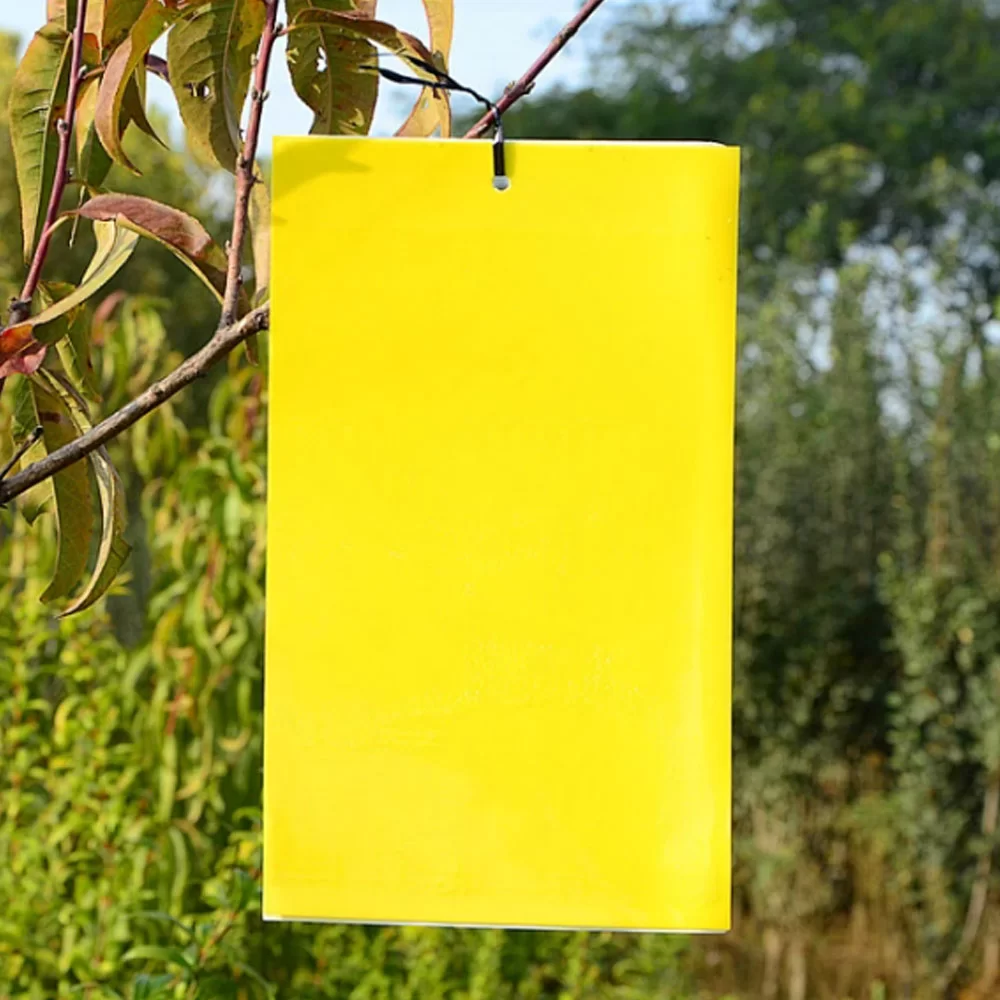
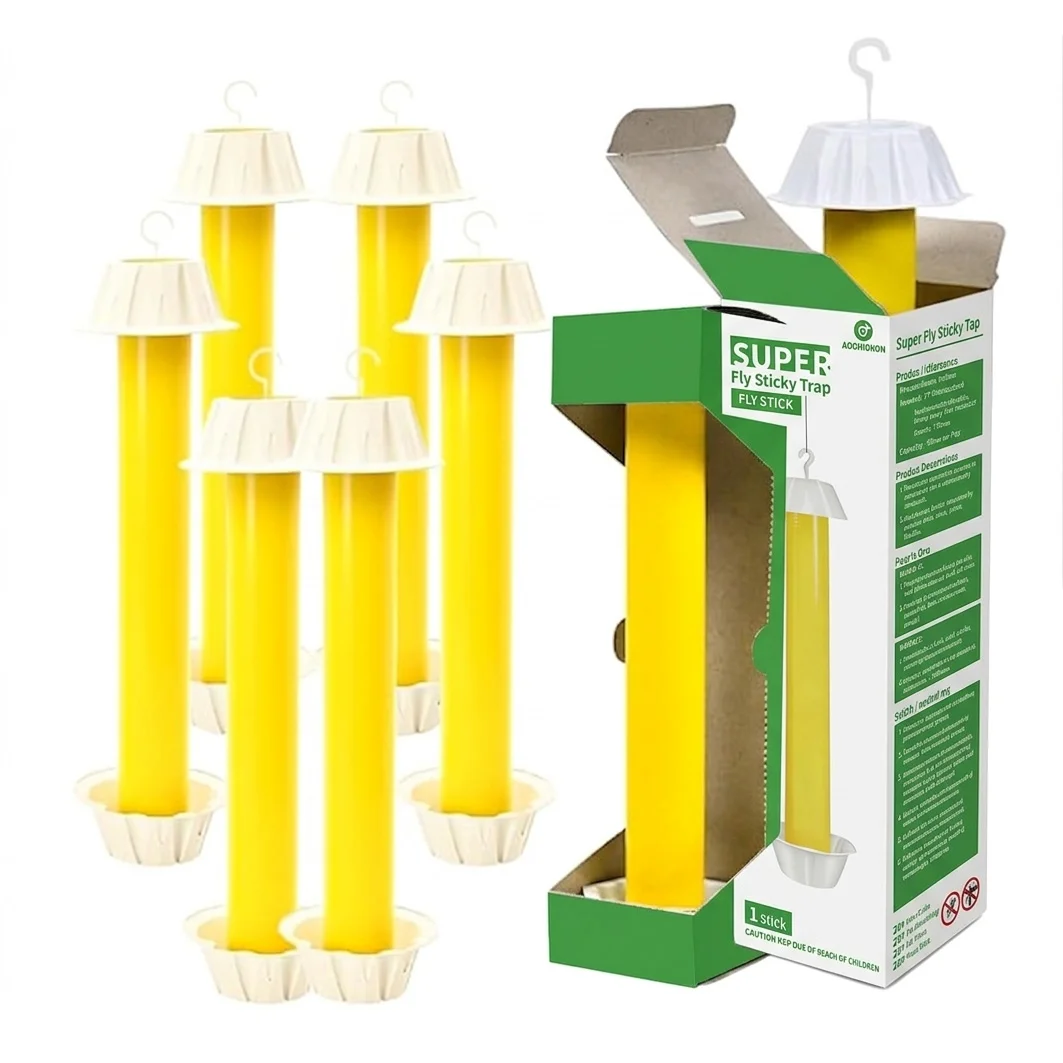
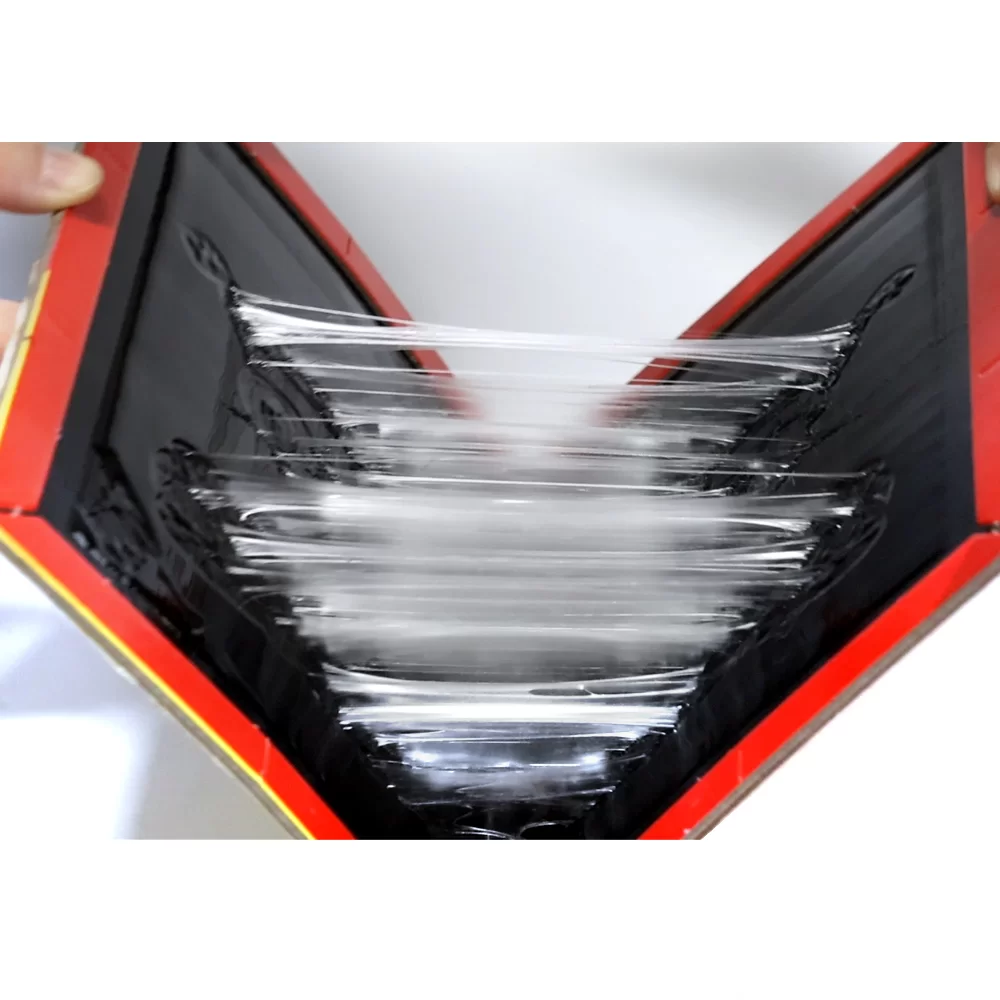
In simple terms, white fly traps are devices used to attract and capture whiteflies, thereby reducing their population near crops. Most commonly, these traps use yellow sticky surfaces that exploit whiteflies' attraction to the yellow spectrum, a color akin to young plant leaves. By luring whiteflies onto sticky boards or panels, these traps help farmers monitor and lower pest numbers without resorting immediately to pesticides.
They're part of an integrated pest management (IPM) approach that blends biological, physical, and chemical controls to keep crop pests at bay. This fits neatly into modern sustainable agriculture frameworks that emphasize reducing chemical dependence and promoting ecological balance.
Mini Takeaway:
- White fly traps use color and sticky surfaces to attract and trap pests.
- They're a key component of sustainable pest management strategies.
Key Factors that Make White Fly Traps Effective
1. Attractiveness (Color & UV Reflectivity)
The classic yellow hue isn't arbitrary; many studies show whiteflies are especially drawn to yellow wavelengths. Some traps enhance effectiveness with UV-reflective pigments or LEDs to boost attraction under varying light conditions. Oddly enough, slight tweaks in shade can sometimes make a big difference.
2. Durability & Weather Resistance
Outdoors, traps face sun, wind, and rain constantly. Good white fly traps use weatherproof materials that maintain stickiness and color vibrancy even after weeks in the field—otherwise the traps lose efficiency. This durability matters especially in tropical zones.
3. Ease of Use & Deployment
Farmers and field workers need traps that are simple to set up, monitor, and replace. Lightweight designs with clear instructions help maximize adoption and timely troubleshooting. Some traps are pre-coated with adhesive; others allow replacing sticky sheets—both have their perks depending on farm scales.
4. Cost Efficiency
The traps must deliver value, especially in lower-income rural communities. Ideally, they’re affordable without sacrificing quality, so farmers can buy replacements periodically without stretching tight budgets.
Mini Takeaway:
- Color perfection, weather resistance, accessibility, and price are vital.
- Effective traps balance all to suit diverse farming contexts.
Where and How White Fly Traps Make a Real Difference
White fly traps have found solid footing in agriculture hotspots worldwide. In East Africa, for example, NGO-supported programs distribute these traps alongside education to combat whitefly-transmitted diseases in cassava—an essential staple for millions. In California’s large-scale tomato farms, commercially produced traps are part of an IPM package reducing pesticide use.
Even in greenhouse horticulture, small yellow sticky cards keep whitefly numbers in check without toxic sprays. Post-disaster agriculture projects sometimes deploy them too—since pests often surge when farming conditions become unstable or crops are weakened.
Mini Takeaway:
- White fly traps serve farmers from smallholders in Africa to industrial-scale growers in the US.
- They help in open fields, greenhouses, and relief or transitional agriculture.
Why Investing in White Fly Traps Pays Off Long-Term
Beyond the obvious pest control, their benefits ripple out in many directions:
- Reduced pesticide reliance improves farmer and ecosystem health.
- Cost savings come from avoiding crop losses and chemical purchases.
- Environmental sustainability gains through less pollution and preserving beneficial insects.
- Empowerment of farmers who gain practical tools and knowledge.
- Crop quality and yield improvements bolster food security and income.
It’s an intersection of practical, ecological, and social gains that make white fly traps more than just sticky boards; they become part of a trust-building process between farmers, scientists, and communities.
Looking Ahead: Innovations in White Fly Trap Technology
Innovation is nudging these simple tools into new territory:
- Smart Traps: Integration of sensors and IoT tech now allows farmers to monitor pest captures remotely, predicting infestations earlier.
- Eco-Friendly Materials: Biodegradable adhesives and recyclable substrates are beginning to replace plastic-heavy boards.
- Custom Color Spectrums: Research into fine-tuning color and light frequencies aims to maximize attraction for specific whitefly species.
- Integration with Biological Controls: Traps paired with natural predators offer synergistic pest control approaches.
These emerging trends promise that the humble white fly trap will stay front and center in the sustainable farming toolbox.
Challenges and Solutions in Using White Fly Traps
Of course, no technology is perfect. Some obstacles include:
- Trap saturation: Sticky surfaces can fill up quickly in heavy infestations, requiring frequent replacement.
- Species specificity: Not all whiteflies respond identically to yellow or light spectra.
- Cost and supply chain issues: In some remote areas, getting quality traps reliably can be a headache.
Experts suggest:
- Combining traps with other IPM methods like biocontrol agents.
- Tailoring trap colors to local species where research is available.
- Developing local manufacturing or bulk procurement models to reduce costs.
Frequently Asked Questions About White Fly Traps
- 1. How often should I replace white fly traps in my field?
- It depends on infestation levels and weather. Generally, sticky boards last 3-4 weeks before losing stickiness or filling up. In heavy infestations or rainy seasons, replacement every 2 weeks might be necessary.
- 2. Can white fly traps be used indoors or in greenhouses?
- Absolutely. In greenhouses, smaller sticky cards work well to monitor and reduce whitefly populations with minimal chemical use, improving crop quality and worker safety.
- 3. Are white fly traps safe for beneficial insects?
- While white fly traps mainly target whiteflies due to color preference, some non-target insects can get caught. Using traps in conjunction with biological controls helps balance this and protects beneficial species.
- 4. Where can I buy reliable white fly traps?
- You can find them from agricultural suppliers, online retailers, and specialized companies. We recommend checking trusted brands with proven field performance for the best results.
- 5. Do these traps work year-round?
- Effectiveness varies with climate and crop cycles, but in warm regions whiteflies can be active year-round, so traps may be needed continuously or seasonally depending on pest pressure.
White Fly Trap Specifications – A Snapshot
| Specification |
Typical Value |
| Color |
Yellow (Pantone 116c approx.) |
| Adhesive Type |
Non-drying, weather resistant sticky glue |
| Dimensions |
20 cm x 30 cm (varies by model) |
| Material |
PVC or biodegradable paperboard |
| UV Reflective Coating |
Optional for enhanced attraction |
| Average Lifespan Outdoors |
3-4 weeks |
Vendor Comparison: Choosing the Right White Fly Trap Supplier
| Vendor |
Product Range |
Durability |
Price per unit |
Customer Reviews |
| GreenAgri Solutions |
Standard & UV traps |
High (weatherproof) |
$1.75 |
4.5/5 stars, praised for effectiveness |
| EcoTrap Ltd. |
Biodegradable sticky cards |
Medium (biodegradable but less durable outdoors) |
$2.10 |
4.0/5 stars, eco-friendly focus |
| FarmerPro Supplies |
Basic yellow sticky traps |
Fair (standard PVC trap) |
$1.25 |
3.8/5 stars, good budget option |
Wrapping Up: Why White Fly Traps Deserve Your Attention
White fly traps might not be the flashiest farm tool, but their role in sustainable agriculture and pest management is hard to overstate. They’re a simple, cost-effective measure that helps growers everywhere reduce whitefly damage, cut pesticide use, and improve crop health. Plus, with promising innovations on the horizon, these modest traps will likely become even smarter and greener.
If you’re a grower, agricultural advisor, or sustainability advocate, it’s worth exploring the right white fly trap solutions for your context. Curiosity and experimentation often yield the best hands-on insights.
For more info and trusted products, visit our website at white fly traps.
Final Thoughts:
Like many “small” farming tools, white fly traps offer outsized impact. They remind us that often, simple science and smart design—combined with local knowledge—really move the needle.
References:
- Wikipedia: Whitefly
- Food and Agriculture Organization (FAO) - Pest Management
- ISO Standards on Integrated Pest Management