02 February 2026
Yellow sticky traps are widely used in gardens, greenhouses, nurseries, and indoor growing areas to monitor and capture flying insect pests. Their bright yellow surface attracts certain insects, while the adhesive layer captures those that land on the trap.
They are simple to use and do not require electricity or complicated installation. More importantly, they help growers identify pest activity before an infestation becomes difficult to manage.
In this guide, LIMET explains how yellow sticky traps work, which insects they can capture, and how to use them effectively.
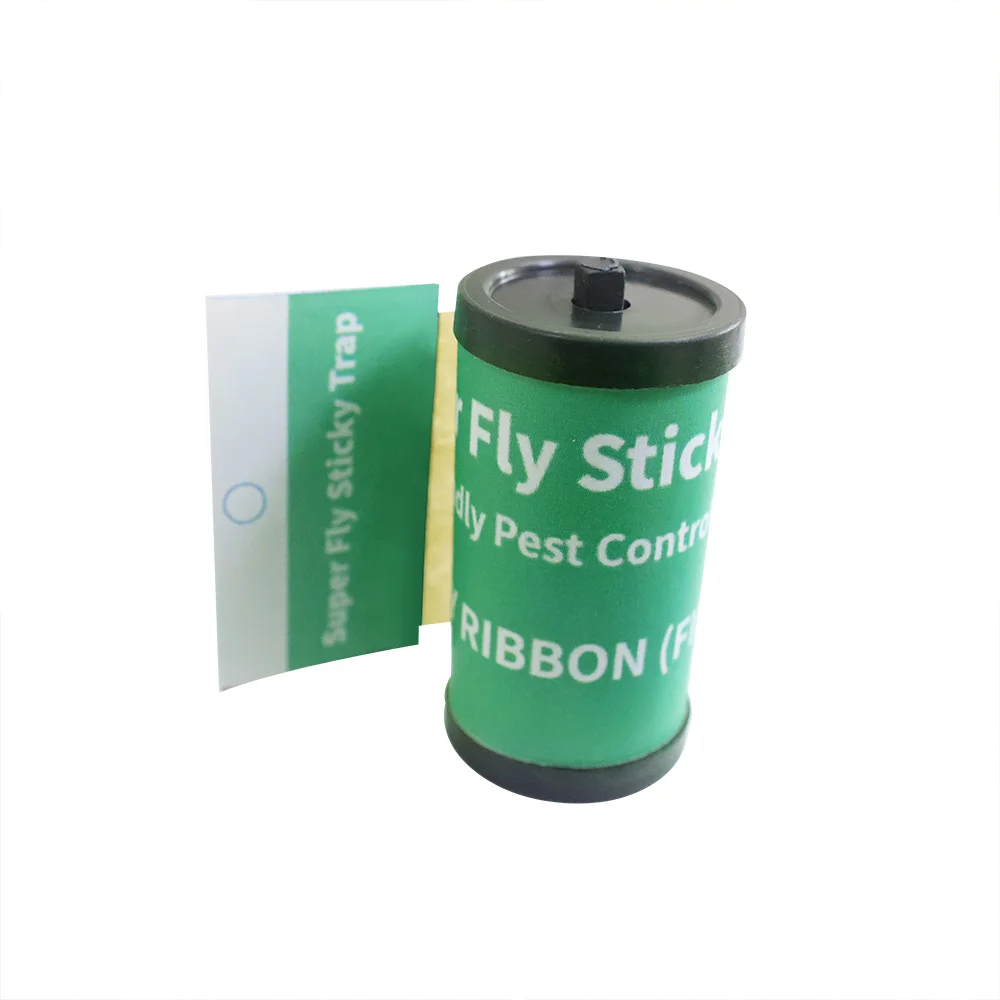
Yellow sticky traps combine a visually attractive yellow surface with a pressure-sensitive adhesive.
Many flying insects are attracted to yellow, making these traps useful for monitoring several common garden and greenhouse pests.
When insects land on the adhesive surface, they become trapped. By checking the captured insects regularly, growers can identify pest activity and observe changes in insect populations.
Yellow sticky traps are commonly used for monitoring:
Whiteflies
Aphids (winged forms)
Fungus gnats
Leafminers (adult flies)
Some other small flying insects
The effectiveness varies depending on insect species, growing conditions, and trap placement.

Yellow sticky traps offer several practical advantages for plant pest management.
Easy to Use: No complicated equipment or electricity is required. Simply remove the protective liner, position the trap, and monitor it regularly.
Pest Monitoring: Captured insects help growers identify which pests are present and observe changes in their activity.
Convenient Placement: Traps can be placed near plants, growing areas, or other locations where flying pests are active.
Useful for Integrated Pest Management: Sticky traps can support an IPM program by providing information for deciding when additional control measures may be necessary.
However, they should not be considered a complete solution for severe pest infestations.
Correct placement is important for effective insect monitoring.
Place traps near the plant canopy, where flying insects are commonly active. Distribute them across different growing areas to monitor pest activity.
Position traps near affected plants without allowing the adhesive surface to touch leaves or stems.
Place traps near crops that show signs of flying insect activity. In outdoor areas, use sheltered positions to reduce exposure to rain and wind.
For fungus gnats, place yellow sticky traps close to the growing medium to help monitor adult insects emerging around the soil surface.
Practical Tip: Keep traps visible and inspect them regularly. Avoid locations where dust, water, or direct weather exposure can quickly reduce adhesive performance.
There is no single replacement schedule that works for every environment.
Replacement depends on insect activity, dust accumulation, humidity, and the condition of the adhesive.
Replace a trap when:
A large portion of its sticky surface is covered with insects.
Dust or debris reduces the adhesive area.
The adhesive becomes dry or loses its ability to capture insects.
The trap is damaged or contaminated.
Regular inspection helps maintain consistent monitoring results.
Yellow and blue sticky traps are both used for monitoring flying insects, but their attraction profiles differ.
| Comparison | Yellow Sticky Traps | Blue Sticky Traps |
|---|---|---|
| Common Target Pests | Whiteflies, aphids, fungus gnats | Particularly useful for thrips |
| Main Application | General flying pest monitoring | Targeted insect monitoring |
| Common Locations | Gardens, greenhouses, nurseries | Greenhouses and growing areas |
| Main Function | Capture and monitor insects | Capture and monitor insects |
The best choice depends on the target insect and growing environment. Some growers use both colors to monitor different pest groups.
For more information, read our Guide to Effective Blue Sticky Trap Use.
For distributors, wholesalers, agricultural suppliers, and greenhouse product retailers, selecting the right sticky trap involves several considerations.
Trap Size: Different growing environments may require different trap dimensions and adhesive surface areas.
Material: Consider the backing material, flexibility, and suitability for the intended application.
Adhesive Performance: Check adhesion consistency, insect retention, and performance under the expected storage and operating conditions.
Packaging: Individual packaging and bulk packaging can serve different retail and commercial requirements.
Customization: Buyers may need specific dimensions, colors, packaging designs, or private-label options.
Before placing a bulk order, request samples and confirm the specifications that match your market requirements.
LIMET provides pest control and insect-catching product solutions for international customers.
Our sticky trap product range includes different formats for various insect-control applications.
Buyers can explore our Sticky Trap Product Category to review available products.
For wholesale inquiries, customers can discuss product specifications, packaging requirements, and customization options with our team.
Q1: What insects do yellow sticky traps catch?
They are commonly used to monitor whiteflies, winged aphids, fungus gnats, adult leafminers, and other flying insects attracted to yellow surfaces.
Q2: Can yellow sticky traps eliminate an entire pest infestation?
No. They capture some flying insects and help monitor pest activity, but they generally work best as part of an integrated pest management program.
Q3: How many yellow sticky traps should I use?
The number depends on the growing area, plant density, target pests, and monitoring objectives. Follow the product instructions and adjust placement according to observed pest activity.
Q4: Are yellow sticky traps suitable for outdoor use?
They can be used outdoors in suitable locations, but rain, wind, dust, and direct sunlight may affect their performance. Sheltered placement is generally preferable.
Q5: Are yellow sticky traps safe around pets and children?
The adhesive surface can stick to skin, fur, or other unintended surfaces. Keep traps out of reach of children and pets, and follow the manufacturer's safety instructions.
Yellow sticky traps provide a convenient way to monitor flying insect activity in gardens, greenhouses, and other growing environments.
Whether you are a distributor, wholesaler, agricultural supplier, or private-label brand, choosing suitable trap specifications and packaging is important for your market.
Explore LIMET Sticky Trap Products or contact our team to discuss product details and wholesale cooperation.
Email: sales@lmtrapx.com
Website: https://www.lmtrapx.com/
Dec 22, 25
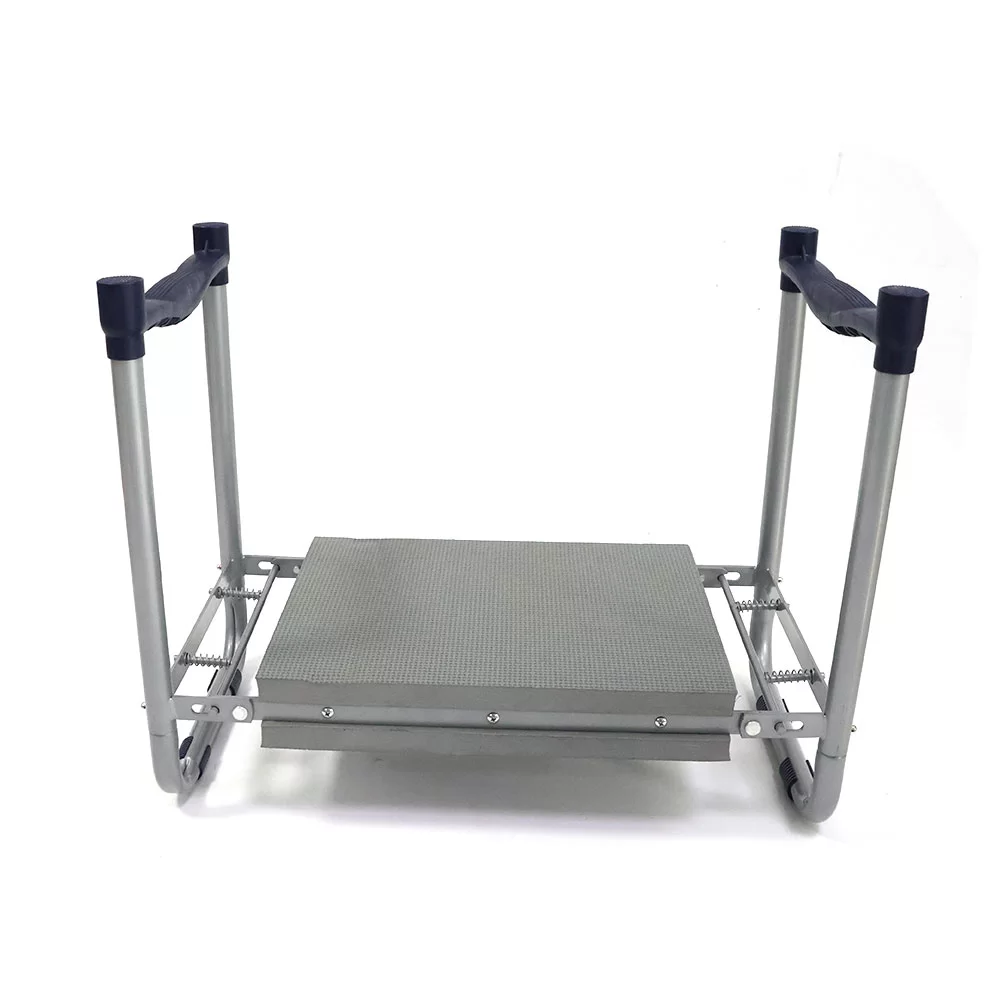
Garden kneeler and seat tool storage integration
For gardening enthusiasts, the hassle of carrying both a kneeling tool and scattered gardening supplies often reduces the pleasure of outdoor work.

Dec 08, 25
What Makes Fly Paper Sticky? Industrial Insights & Product Facts
Dec 03, 25
Yellow Sticky Traps For Squash Vine Borer – Effective Pest Control Solutions for Agriculture
... full article HTML ...
Feb 18, 26
Exploring Diverse Types of Mouse Traps for Effective Pest Control