09 December 2025
Pest activity can create challenges for warehouses, factories, food storage facilities, commercial buildings, and other business environments. Regular monitoring helps facility managers identify pest activity and take action before problems become more difficult to manage.
Sticky traps are practical tools used in many pest monitoring programs. They can help capture certain crawling and flying insects, provide visible evidence of pest activity, and support routine inspections.
However, choosing the right trap is only part of the process. Placement, inspection frequency, environmental conditions, and record keeping all influence how useful sticky traps can be.
This guide explains how to select and use sticky traps in commercial and industrial environments.
Sticky traps use an adhesive surface to capture insects or other target pests that come into contact with the trap.
Different designs serve different purposes. Common types include:
Yellow or blue sticky cards are commonly used to monitor flying insects in greenhouses, nurseries, growing areas, and other suitable environments.
The color and placement should be selected according to the target insects and the monitoring requirements.
Sticky boards are available in different shapes and designs for monitoring certain crawling insects, such as cockroaches.
Some products are designed for specific applications and should not be treated as interchangeable. Buyers should check the intended target pests and product instructions before selecting a model.
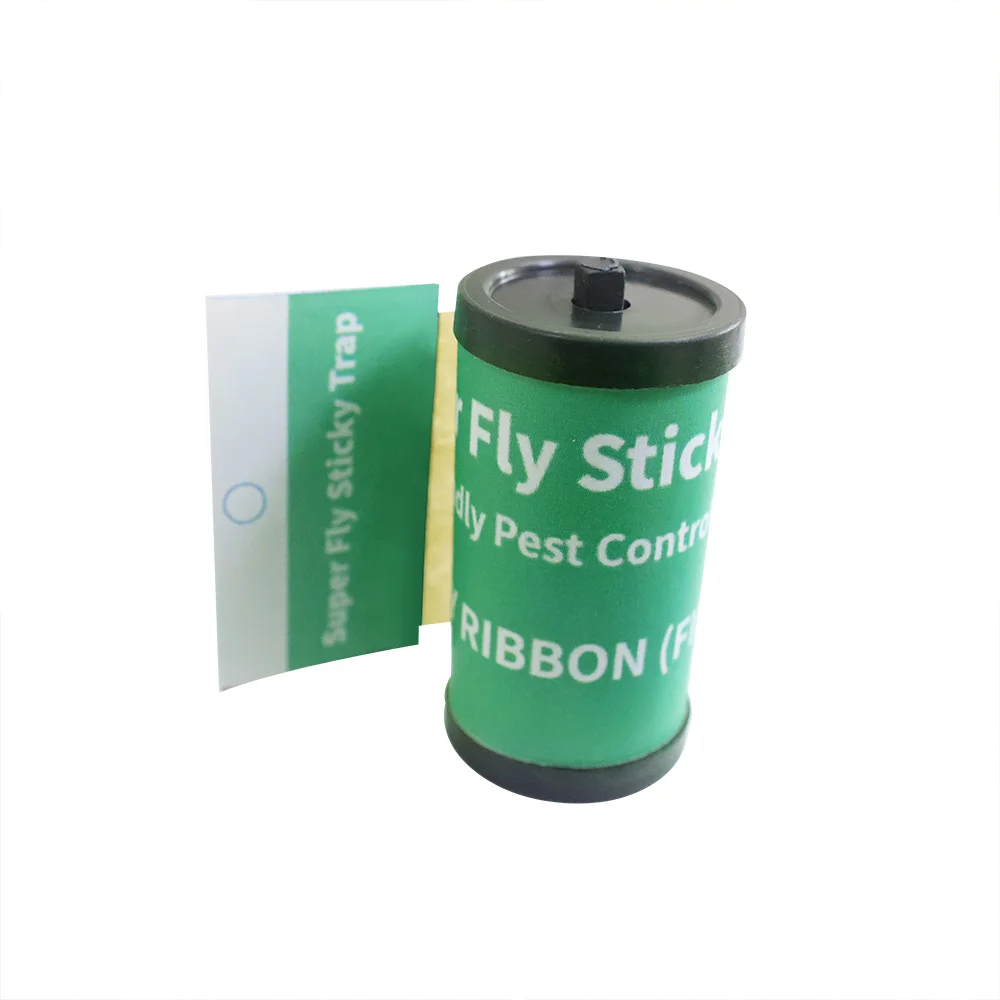
Fly ribbons and sticky strips provide an adhesive surface for capturing flying insects. They are commonly used in suitable indoor or sheltered locations, depending on the product design.
Important: Insect sticky cards, fly ribbons, and rodent glue boards are different product categories. They have different applications and handling considerations.
The best placement depends on the target pest, facility layout, and surrounding conditions.
In warehouses, routine monitoring can focus on areas such as:
Loading and unloading zones
Storage area entrances
Waste collection points
Areas where insect activity has previously been observed
Suitable locations near doors and windows
Avoid placing traps where they may be damaged by forklifts, cleaning equipment, or routine material handling.
Factories may have different monitoring requirements depending on the production process and building layout.
Consider suitable monitoring locations near:
Building entrances
Utility and service areas
Waste handling locations
Storage rooms
Areas identified during routine inspections
In production environments, traps should be positioned so they do not interfere with machinery, workers, or product handling.

Offices, retail buildings, and other commercial premises may use sticky traps to monitor insect activity in suitable locations, including storage rooms, service areas, and other places where pests have been observed.
In food-related facilities, trap selection and placement require additional care.
Traps should be used according to the facility's pest management procedures and applicable food safety requirements. They must not create a risk of contaminating food, ingredients, packaging, or food-contact surfaces.
Correct placement is essential for obtaining useful monitoring information.
First, identify the pest you want to monitor.
Different insects have different movement patterns and behaviors. A yellow sticky card intended for monitoring certain flying insects is not a substitute for a crawling-insect monitoring board.
Look for signs of pest activity, potential entry points, waste accumulation, moisture problems, and areas where insects may gather.
Use inspection findings to determine suitable monitoring locations.
Select a trap based on:
Target insect or pest
Indoor or outdoor application
Trap dimensions and design
Available installation space
Environmental conditions
Facility monitoring requirements
For commercial and industrial facilities, it is useful to assign identification numbers to monitoring points.
A simple record can include:
Trap identification number
Installation location
Installation date
Inspection date
Type and number of insects captured
Replacement or maintenance notes
This makes it easier to compare observations over time.
Sticky traps should be checked regularly according to the facility's monitoring plan and the product instructions.
During inspections, check whether:
The adhesive surface is covered with insects, dust, or debris
The trap has been damaged or displaced
The adhesive surface is still suitable for its intended purpose
There is a noticeable change in pest activity
The trap needs to be replaced
A trap that is heavily covered with insects or debris may no longer provide useful monitoring information.
Record the findings and replace traps when necessary.
Sticky traps do not perform identically in every environment.
Consider these factors when planning their use:
Dust, fibers, and other particles can accumulate on adhesive surfaces and reduce the available trapping area.
Avoid unnecessarily dusty locations where possible and inspect traps regularly.
Environmental conditions may affect adhesive performance. Check the manufacturer's product information for the suitable operating conditions of the selected model.
Strong airflow may affect the placement and usefulness of certain traps, particularly lightweight hanging products.
Choose locations that suit the trap design.
Food waste, standing water, and other conditions may attract insects independently of the trap.
Good sanitation and facility maintenance remain important parts of pest management.
Sticky traps are useful monitoring tools, but they should not be considered a complete pest control solution.
A broader pest management program may include:
Routine facility inspections
Cleaning and waste management
Sealing gaps and potential entry points
Moisture control and drainage maintenance
Monitoring records and trend analysis
Additional control measures selected for the identified pest
Monitoring results can help facility managers understand where pest activity is occurring and decide whether further action is necessary.
For professional facilities, pest management procedures should be developed and reviewed according to the site requirements and applicable regulations.
For distributors, wholesalers, and facility supply companies, selecting a suitable product involves more than comparing unit prices.
Consider the following purchasing factors:
| Purchasing Factor | What to Check |
|---|---|
| Product type | Sticky cards, sticky boards, fly ribbons, or other designs |
| Target pests | Intended insects or pest species |
| Dimensions | Length, width, and usable adhesive area |
| Material | Backing material and product construction |
| Adhesive | Adhesive coverage and suitability for the application |
| Packaging | Pieces per pack and carton quantity |
| Storage | Storage requirements and shelf-life information |
| Customization | Logo, label, or packaging options, if available |
| Supply | MOQ, lead time, and delivery arrangements |
When requesting a quotation, provide your preferred product type, dimensions, quantity, packaging requirements, and destination market.
This helps suppliers prepare a quotation based on your actual purchasing needs.
LIMET focuses on physical pest control solutions and supplies products for different insect and animal control applications.
Our product range includes insect sticky traps and other physical pest control products for commercial buyers, distributors, wholesalers, and brand owners.
Depending on the application, buyers can discuss suitable product types, specifications, packaging, and order requirements with our team.
Explore our product range:
Animal Traps & Supplies – LIMET
For more information about yellow sticky traps, see our related guide:
Effective Pest Control with Yellow Sticky Traps
Certain sticky traps can be used in warehouses, factories, commercial buildings, and other facilities as part of a pest monitoring program. The correct product depends on the target pest and site requirements.
Suitable locations may include entrances, storage areas, waste collection points, and places where pest activity has been observed. Placement should not interfere with workers, machinery, or stored products.
Replacement frequency depends on the product, environmental conditions, and the amount of insects or debris collected. Inspect traps regularly and follow the manufacturer's instructions.
No. Different traps are designed for different applications. Select the trap according to the target insect and intended use.
Compare product dimensions, material, adhesive specifications, packaging, order quantity, delivery terms, and supplier capabilities.
Looking for physical pest control products for your distribution or wholesale business?
Contact LIMET to discuss your product requirements and purchasing plans.
Email: sales@lmtrapx.com
Website: https://www.lmtrapx.com/
Dec 22, 25
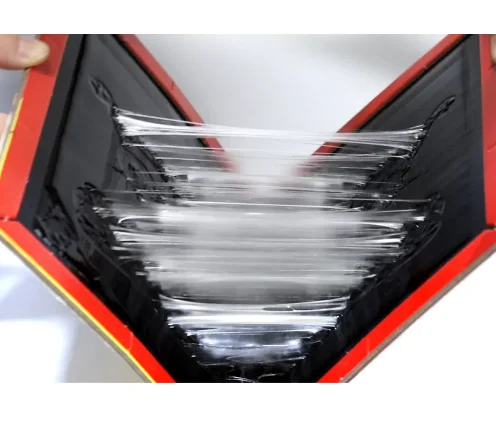
Different Types of Mouse Traps and Their Uses
Mouse infestations are a global nuisance, threatening property, health, and peace from urban apartments to rural farms.
Apr 03, 26
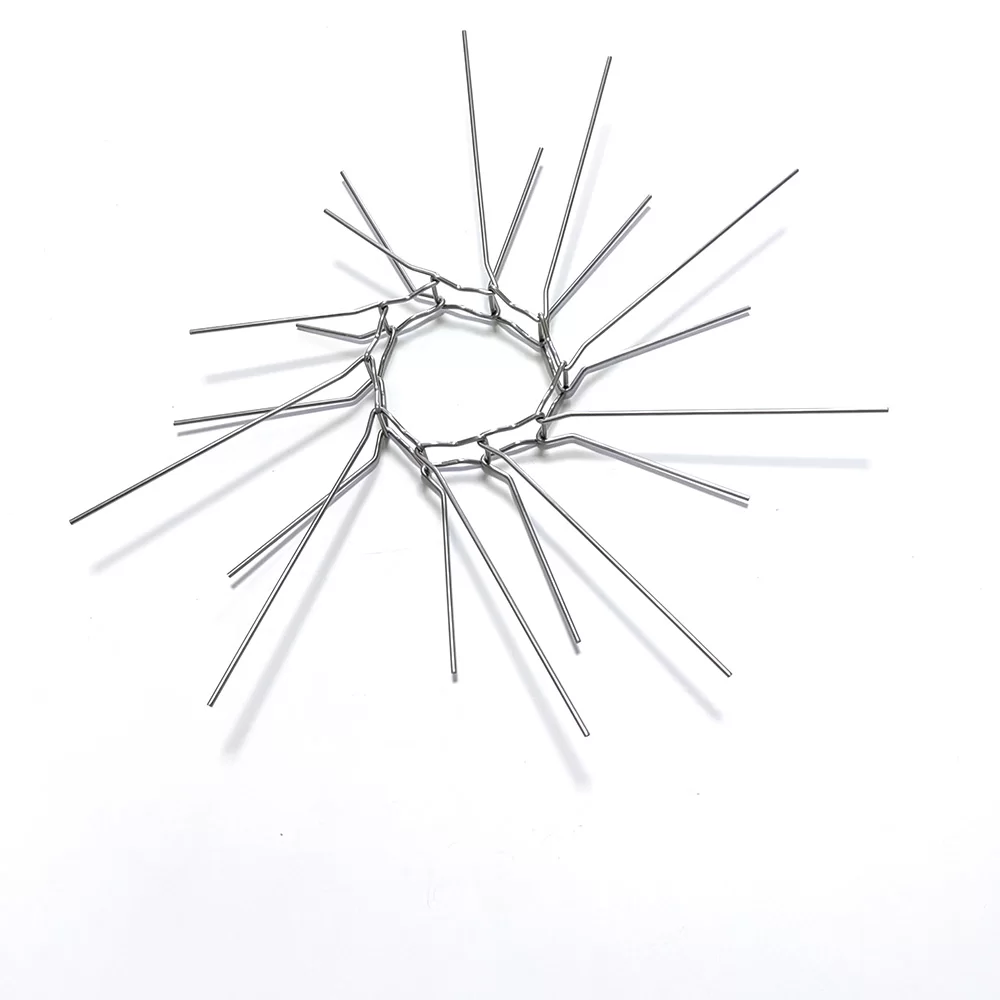
Anti Squirrel Spike Solutions for Effective Anti Bird Control
As urban environments expand, the interaction between humans and wildlife becomes increasingly frequent.
Apr 01, 26
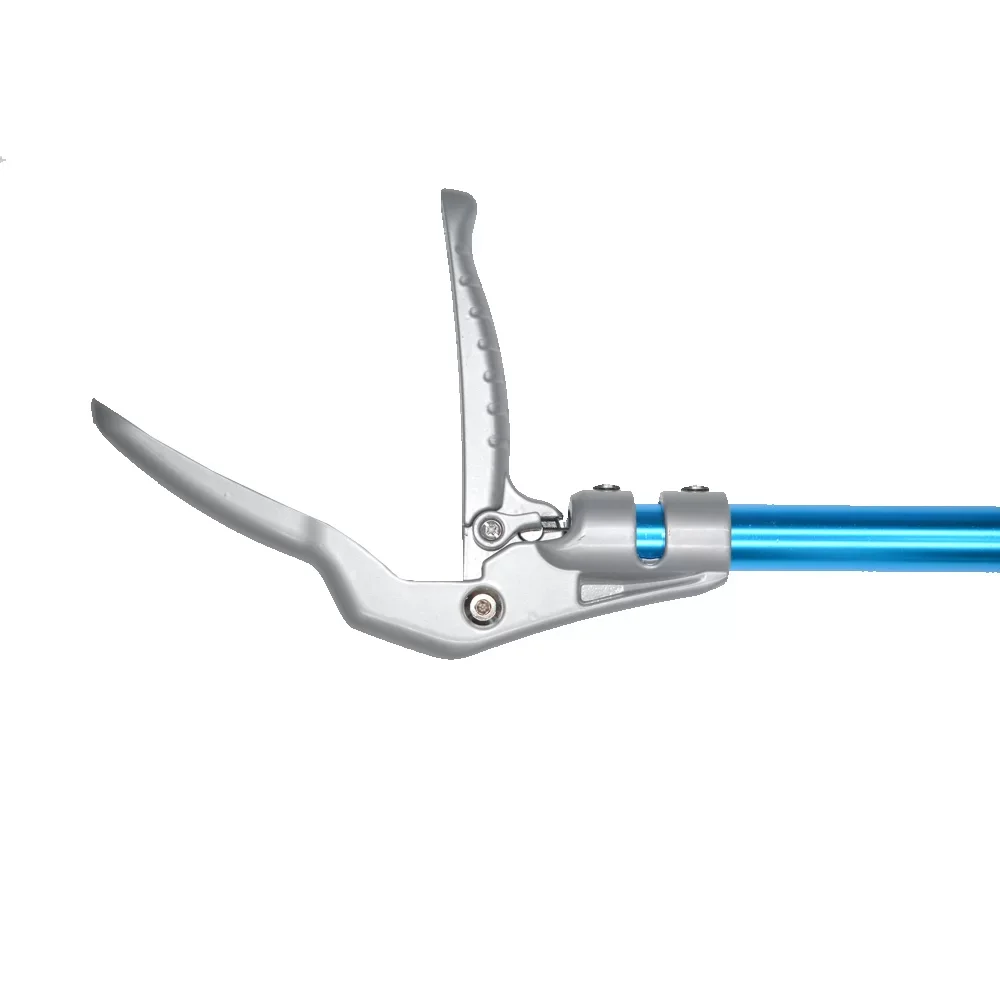
Snake Catching Tongs: The Ultimate Snake Catching Tool For Professional And Home Use
Dealing with snakes requires the right balance of caution, skill, and equipment.
Dec 08, 25
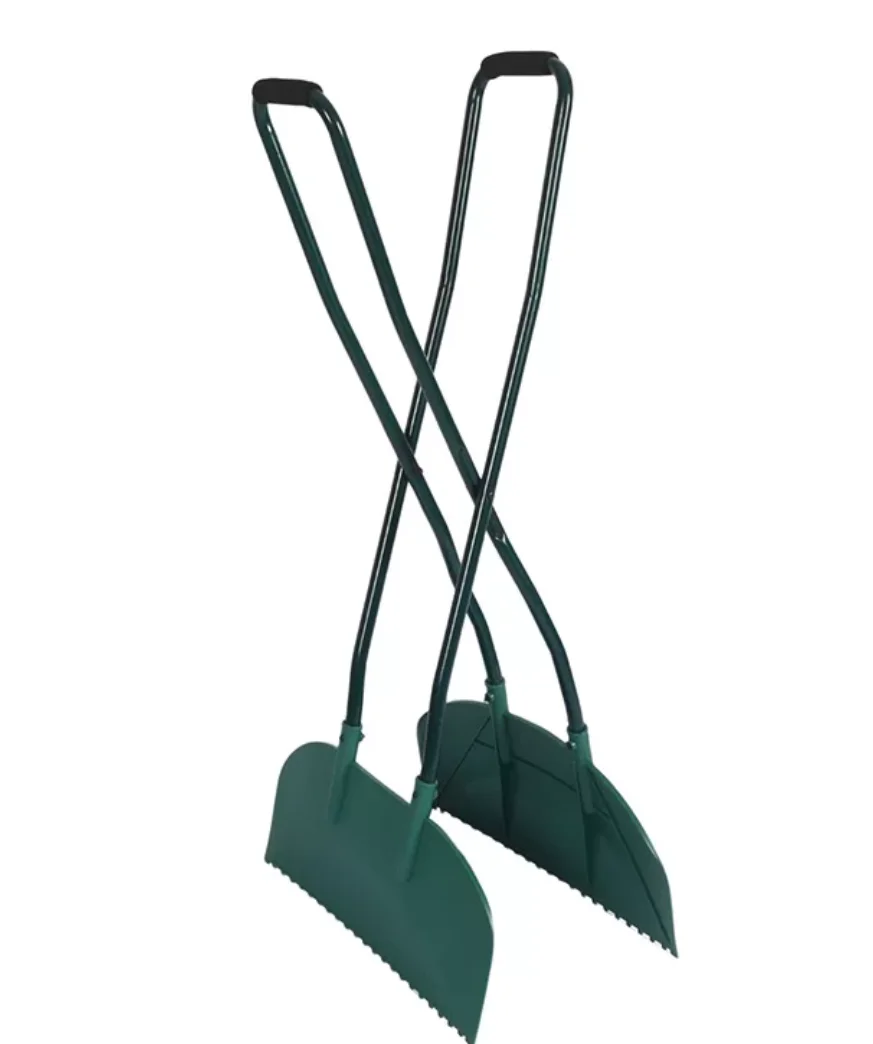
The Ergonomic Benefits of a Hand Leaf Grabber
For gardeners, homeowners, and property maintainers, raking and collecting leaves is a seasonal chore—but it often comes with discomfort: strained backs, sore wrists, and tired arms.