How to Remove Fly Paper Glue: Safe and Effective Cleaning Methods
Fly paper is an effective tool for catching flies, but its sticky adhesive can sometimes leave unwanted residue on hands, floors, furniture, and other surfaces. Knowing how to remove fly paper glue properly can make cleanup easier while helping prevent damage to the material underneath.
Whether you are using fly paper at home, in a warehouse, or in a commercial facility, the right cleaning method depends on the surface and the type of adhesive involved.
In this guide, LIMET explains practical ways to remove fly paper glue, common cleaning mistakes to avoid, and how to reduce sticky residue during everyday fly control.
1. Why Is Fly Paper Glue So Sticky?
Fly paper works by using a pressure-sensitive adhesive that catches flies when they land on its surface.
Unlike ordinary paper, fly paper is designed to maintain its stickiness over an extended period. Its adhesive must remain tacky enough to capture insects effectively.
Depending on the product, the adhesive may contain different combinations of tackifying resins, oils, and other components. This is why ordinary water or household detergent may not be sufficient to remove the residue.
When fly paper comes into contact with other materials, the adhesive can transfer to:
Hands and skin
Wooden furniture and cabinets
Glass windows and doors
Metal equipment and work surfaces
Plastic containers and household items
Floors and other hard surfaces
The most important step is to identify the affected material before choosing a cleaning method.
2. How to Remove Fly Paper Glue from Different Surfaces
Different surfaces require different cleaning approaches. Always test a cleaning method on a small, inconspicuous area first.
2.1 Removing Fly Paper Glue from Skin
If fly paper adhesive gets on your hands, avoid pulling or rubbing it aggressively.
Try the following steps:
Apply a small amount of cooking oil or mineral oil to the sticky area.
Gently massage the oil into the adhesive to help loosen it.
Wipe away the softened residue with a clean cloth or paper towel.
Wash your hands with warm water and mild soap.
Repeat if necessary.
Avoid using gasoline, paint thinner, or industrial solvents on your skin. If irritation occurs, stop cleaning and rinse the affected area.
2.2 Removing Fly Paper Glue from Glass
Glass is generally easier to clean than porous materials.
Recommended approach:
Remove as much of the remaining fly paper as possible.
Apply a small amount of suitable adhesive-removing oil or cleaner.
Allow it to work according to the product instructions.
Gently wipe the residue with a soft cloth.
Clean the glass with an appropriate glass cleaner.
For stubborn residue, a suitable glass scraper may help. Use it carefully to avoid scratching surrounding surfaces.
2.3 Removing Fly Paper Glue from Metal
For metal surfaces, begin with a soft cloth and a mild cleaning agent.
If residue remains:
Apply a small amount of an appropriate adhesive remover.
Follow the cleaner's instructions.
Wipe the loosened adhesive away.
Clean and dry the surface.
Always check whether the metal has a painted, coated, or treated finish. Some solvents and cleaners may damage protective coatings.
2.4 Removing Fly Paper Glue from Plastic
Plastic requires extra care because certain solvents can soften, discolor, or crack some plastic materials.
A safer starting method is:
Apply a small amount of mild dish soap and warm water around the affected area.
Gently wipe with a soft cloth.
If the adhesive remains, test a small amount of a plastic-compatible oil-based cleaner in an inconspicuous area.
Wipe away the residue and clean the surface.
Avoid using strong solvents unless the plastic manufacturer confirms compatibility.
2.5 Removing Fly Paper Glue from Wood and Floors
Wood, laminate, and different floor finishes can react differently to oils and solvents.
For these surfaces:
Start with gentle cleaning and a soft cloth.
Avoid soaking unfinished or unsealed wood.
Do not use abrasive pads that may damage the finish.
Check the manufacturer's cleaning recommendations before applying an adhesive remover.
For delicate or valuable surfaces, consult a professional cleaner if the residue cannot be removed safely.
3. What Should You Avoid When Removing Fly Paper Glue?
Using the wrong cleaning product can create more problems than the original adhesive.
Here are some common mistakes to avoid:
Using strong solvents without testing
Products containing aggressive solvents may damage paint, plastic, rubber, or protective coatings.
Scraping with sharp tools
Metal blades and abrasive materials can scratch glass, furniture, and coated surfaces.
Using excessive water
Water may damage untreated wood, paper-based materials, and certain flooring products.
Mixing different cleaning chemicals
Never mix cleaning products unless their manufacturers specifically confirm that the combination is safe.
Ignoring food-contact requirements
In food preparation or processing areas, cleaning products must be suitable for the intended environment. Follow the facility's cleaning and sanitizing procedures after removing adhesive residue.
4. How to Prevent Fly Paper Glue Residue
Preventing adhesive residue is often easier than removing it afterward.
Here are some practical tips:
Install fly paper in suitable locations where it is less likely to touch walls, furniture, or equipment.
Use the correct hanging accessories or mounting points.
Avoid placing fly paper near frequently handled objects.
Replace used fly paper carefully to prevent adhesive transfer.
Keep replacement products and cleaning materials available for routine maintenance.
Follow the product instructions for installation, handling, and disposal.
For commercial facilities, establishing a regular inspection and replacement schedule can also make fly control easier to manage.
5. Choosing the Right Fly Paper for Effective Fly Control
Choosing suitable fly paper is important for effective insect monitoring and control.
When selecting fly paper for residential, commercial, or industrial applications, consider the following factors:
Adhesive performance
The adhesive should maintain sufficient stickiness to capture flying insects under the intended conditions.
Product dimensions
Different installation locations may require different lengths, widths, and shapes.
Installation method
Consider whether the product is designed for hanging, wall mounting, or placement in a specific area.
Application environment
Temperature, humidity, dust, and airflow can influence adhesive performance.
Replacement and disposal
Choose a product that is convenient to install, replace, and dispose of according to local requirements.
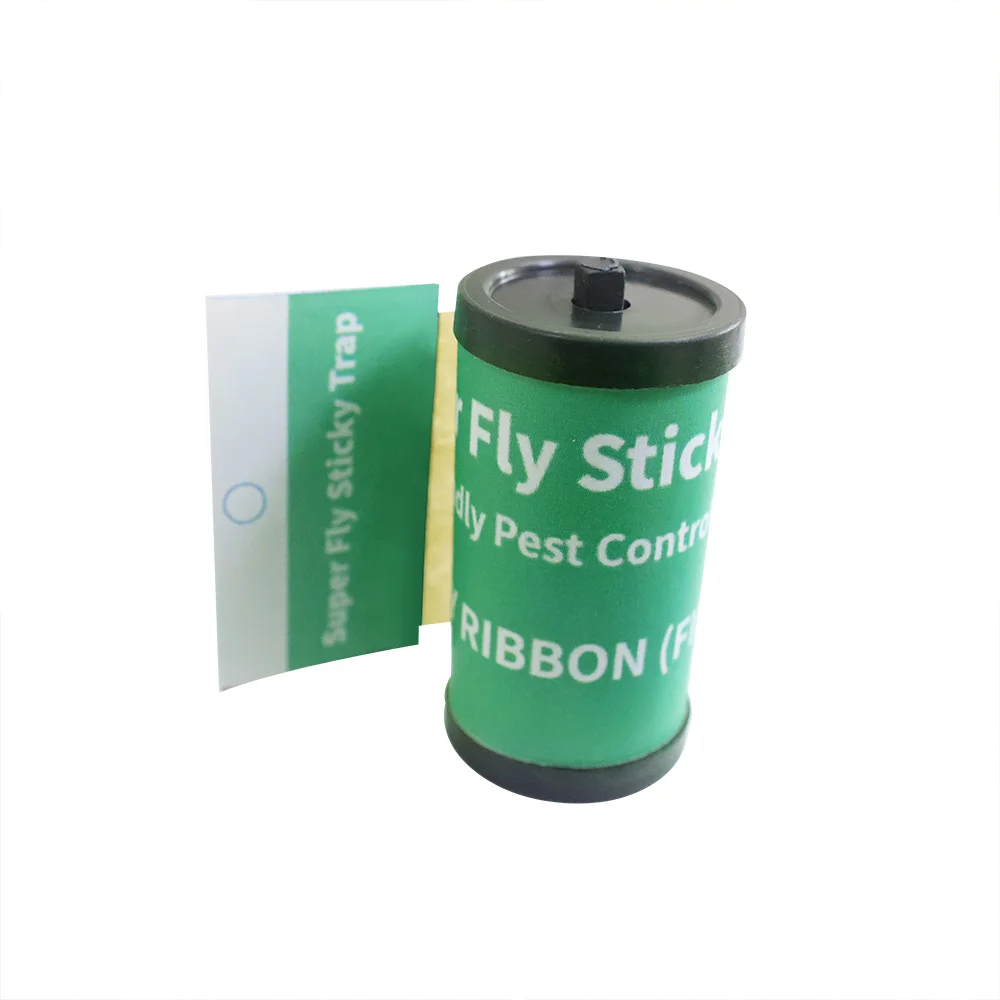
LIMET provides physical pest control products, including fly paper and sticky traps, designed for different insect-control applications. We also support OEM and ODM cooperation for customers looking for product customization and supply solutions.
6. Frequently Asked Questions About Removing Fly Paper Glue
What is the easiest way to remove fly paper glue?
For many common surfaces, a suitable oil-based cleaner can help loosen fly paper adhesive. The best method depends on the material. Always test the cleaner first.
Does water remove fly paper glue?
Water alone is generally not very effective against many pressure-sensitive adhesives. Mild soapy water may help with light residue, but more persistent adhesive may require a suitable cleaner.
Can cooking oil remove fly paper glue?
Cooking oil can help loosen some types of fly paper adhesive, especially on skin and certain non-porous surfaces. However, it should be tested first and may not be suitable for every material.
How do you remove fly paper glue from clothes?
Avoid rubbing the adhesive further into the fabric. Carefully remove excess glue without spreading it, check the garment's care label, and test a suitable stain-treatment method on a hidden area. Delicate fabrics may require professional cleaning.
Is fly paper glue harmful to skin?
Brief contact with fly paper adhesive is not necessarily harmful, but some people may experience skin irritation. Remove the residue gently with a suitable oil and mild soap. Follow the product label and seek medical advice if irritation persists.
Can I use alcohol to remove fly paper glue?
Alcohol may help with some adhesive residues, but it can damage certain plastics, painted surfaces, and finishes. Test compatibility first and follow the cleaner's safety instructions.
7. Conclusion
Fly paper is a practical solution for catching flies, but adhesive residue can be inconvenient when it transfers to hands, furniture, floors, or equipment.
The best way to remove fly paper glue is to choose a cleaning method that matches the affected surface. Gentle oil-based cleaning methods may work for some residues, while glass, metal, plastic, and wood may require different approaches.
By handling fly paper carefully, installing it in suitable locations, and following regular replacement practices, users can reduce unnecessary adhesive mess and maintain a cleaner environment.
Looking for reliable fly paper and physical pest control products?
LIMET is a professional manufacturer and exporter focusing on garden pest control solutions and animal repellent products.
Contact us to discuss fly paper, sticky traps, OEM/ODM services, and other physical pest control solutions.
Website: https://www.lmtrapx.com/
Email: sales@lmtrapx.com