Understanding Yellow Sticky Tape for Fungus Gnats: A Small Solution with a Big Impact
If you've ever dealt with pesky fungus gnats invading your plants or greenhouse, you’ve probably heard of yellow sticky tape for fungus gnats. It’s a simple, inexpensive tool but—frankly—it plays a surprisingly important role across agriculture, horticulture, and even indoor plant care worldwide. These tiny pests, while almost invisible, can cause real damage to plants, especially in commercial settings, making effective monitoring and control a must.
Globally, the agriculture sector faces immense challenges from such pests. According to the Food and Agriculture Organization (FAO), pest damage causes losses estimated at 20% of global crop production annually. Tackling fungus gnats efficiently doesn’t just protect plants; it supports farmer livelihoods, food security, and sustainable practices. Understanding yellow sticky tape for fungus gnats could therefore save more than just a few leaves—it can save crops and reduce pesticide dependency.
What Exactly Is Yellow Sticky Tape for Fungus Gnats?
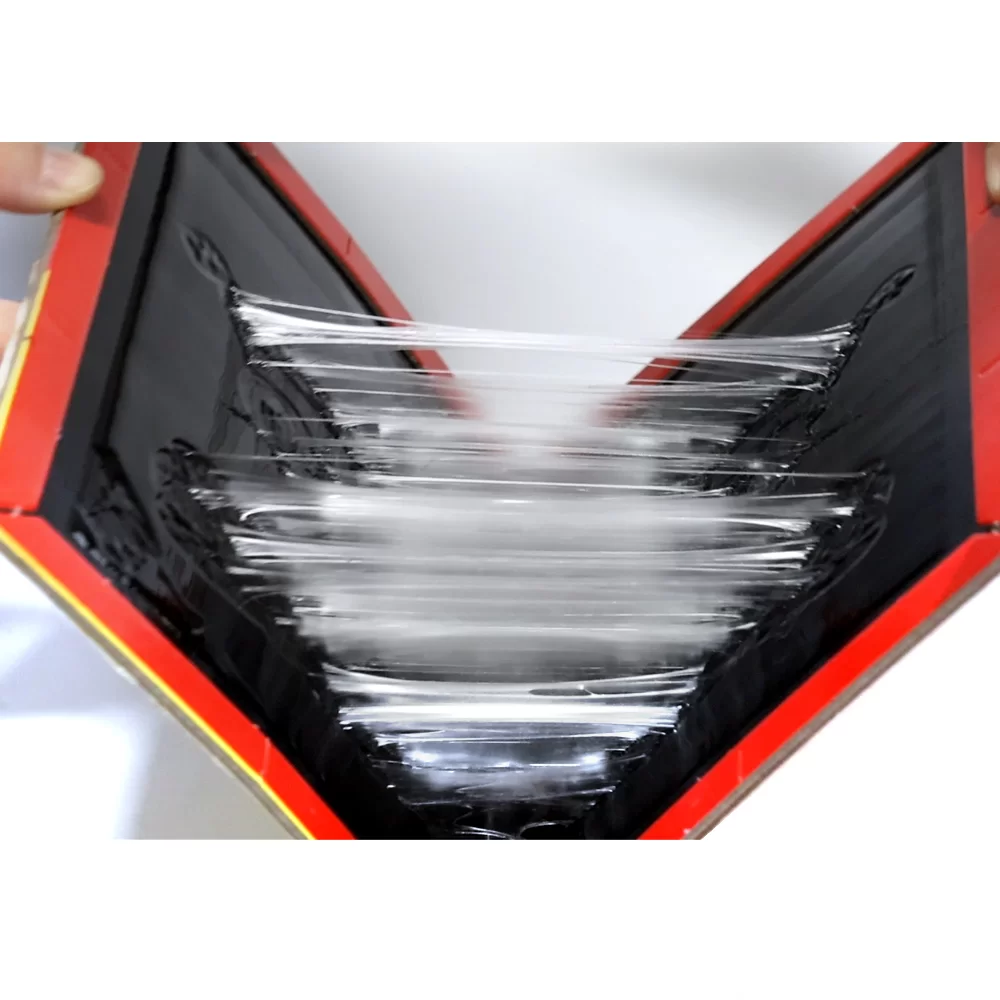
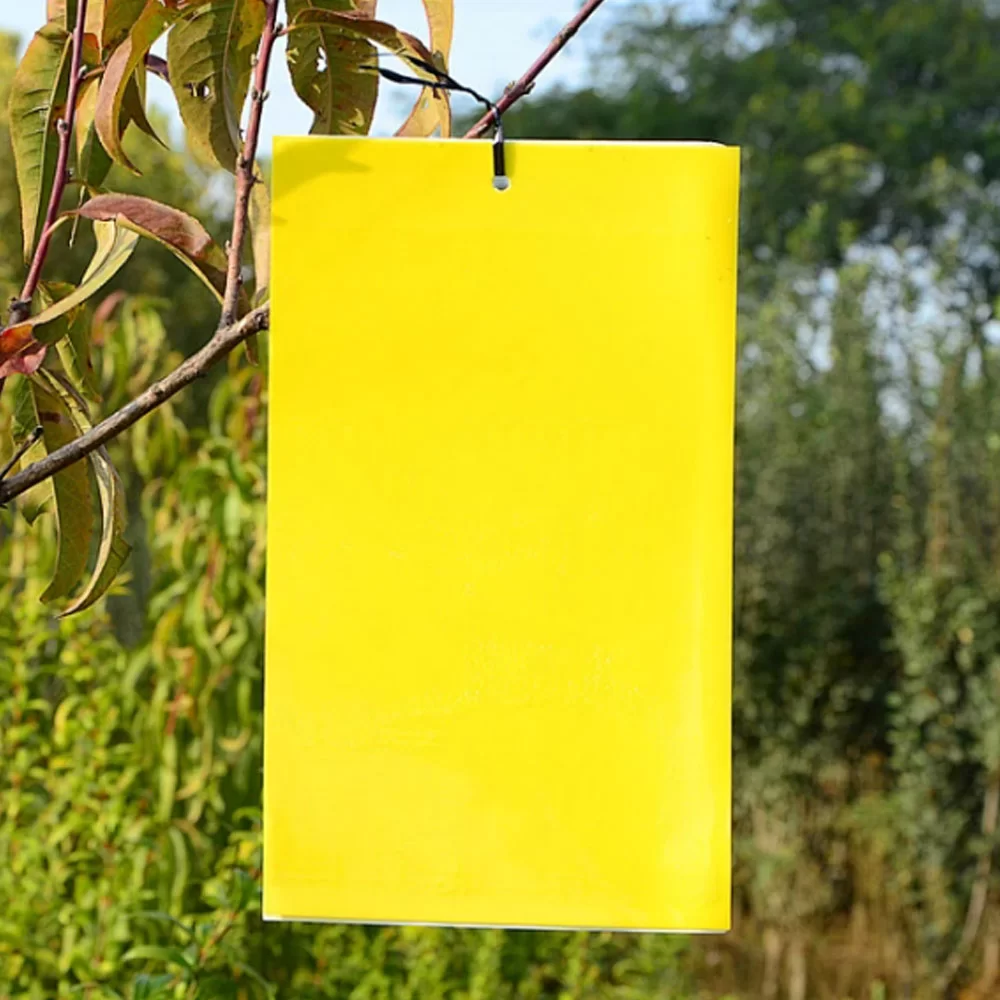
At its most basic, yellow sticky tape is a coated adhesive strip that traps fungus gnats on contact. The vibrant yellow color attracts gnats and other flying pests, which then get stuck to the tape’s surface. This trap is both a monitoring tool and a pest-management aid. To put it plainly, it acts like a flypaper but geared specifically toward small soil-borne insects that otherwise escape notice.
Modern greenhouse operators and indoor farms rely on yellow sticky tape not just to catch pests but to assess population levels and determine thresholds for intervention. It’s a low-cost, non-toxic method that aligns closely with integrated pest management (IPM) principles. With the increasing push for sustainable agriculture, the humble sticky strip's relevance only grows.
Core Features of Yellow Sticky Tape for Fungus Gnats
1. Visibility and Attractiveness
The yellow hue is key—fungus gnats are naturally drawn to yellow light spectrums. This passive attraction means tape catches gnats effectively without chemical lures, helping farms reduce pesticide use.
2. Adhesive Strength and Durability
Sticky tape must hold gnats firmly without drying out too fast or becoming ineffective under greenhouse humidity and heat. Longevity varies by brand but generally lasts about 7-10 days before replacement.
3. Ease of Deployment
You simply hang or insert strips near soil surfaces or plants. They don’t require skilled labor or complex equipment—in real-world terms, anyone can set them up quickly.
4. Environmental Safety
Since no chemicals are involved, the tape is safe around beneficial insects and workers. It fits well in organic growing systems, a sector growing at ~10% annually according to USDA data.
5. Cost Efficiency
Typically costing under $0.50 per strip in bulk, sticky tape is extremely affordable compared to chemical controls or electronic trapping devices.
| Feature |
Detail/Spec |
| Color |
Bright Yellow (most attractive to fungus gnats) |
| Dimensions |
Up to 15 cm wide, strips usually 30-50 cm long |
| Adhesive Type |
Non-toxic, UV resistant, lasting 7-10 days |
| Intended Use |
Monitoring and control of fungus gnat adults |
| Environmental Impact |
Chemical-free, biodegradable options available |
Real-World Applications of Yellow Sticky Tape for Fungus Gnats
Across greenhouses in the Netherlands, Thailand, and the United States, sticky tape is a frontline defense. In ornamental plant nurseries, missing even a small fungus gnat outbreak can mean poor crop quality or ruined shipments. Commercial cannabis growers, where pest control regulations are strict, rely heavily on these tapes as a safe, pesticide-free tool.
In developing regions, smallholder farmers use yellow sticky tape as part of pest management strategies that are accessible, affordable, and easy to deploy without extensive training. For example, in Kenya’s horticulture zones, integrating sticky traps helps reduce chemical pesticide residues on export crops, supporting global food safety standards.
Even beyond agriculture, this trap has found use in museums and libraries, protecting delicate plants and book collections from insect damage, showcasing how versatile such a simple pest control mechanism can be.
Mini takeaway:
Yellow sticky tape is not just a pest control item—it’s a global tool championing sustainable, accessible pest management.
Weighing the Advantages and Long-Term Value
Thanks to its simplicity, yellow sticky tape offers many tangible benefits:
- Cost Savings: Minimal investment delivers continuous monitoring.
- Environmental Sustainability: Reduces reliance on harmful pesticides.
- Worker Safety: No exposure to chemicals or complicated devices.
- Reliable Early Alert: Catches adults before larvae cause soil damage.
- Emotional Confidence: Growers feel empowered controlling pests sustainably.
For many growers, it’s become an indispensable part of their IPM toolkit, helping maintain crop health with dignity and care—plus, it’s oddly satisfying seeing those little trapped gnats stuck forever!
Vendor Comparison of Popular Yellow Sticky Tape Brands
| Brand |
Adhesive Durability |
Price per Package (50 strips) |
Biodegradability |
Best Use Case |
| StickyPro Ultra |
10 days |
$22 |
No |
High humidity greenhouses |
| EcoTrap Yellow |
7 days |
$27 |
Yes |
Organic growers |
| AgriCatch Classic |
8 days |
$20 |
No |
General indoor plants |
Future Trends: Where Sticky Tape Meets Innovation
Looking forward, yellow sticky tape is likely to evolve with sustainability and smart technology in mind. Manufacturers are exploring biodegradable adhesives and films that break down faster—important for reducing plastic waste in agriculture. Additionally, some innovators are integrating pheromone lures or combining sticky tape with digital image recognition to automatically identify pest pressure levels remotely.
With global agriculture embracing precision farming and automation, these sticky tapes could soon link to digital dashboards, offering real-time data and helping growers react quicker and more precisely. You might say the sticky tape is quietly entering the “smart farming” era.
Challenges and Possible Solutions
Of course, sticky tape isn’t perfect. It only traps adult gnats, so larvae still lurk in soil and sometimes sticky strips can fill too quickly in high infestations, making monitoring harder. Plus, some very humid or dusty environments reduce adhesive effectiveness.
Experts suggest rotating trap locations and integrating additional measures like beneficial nematodes or soil drenches. Sustainability-minded growers also experiment with biodegradable tape disposables and encourage volunteer “sticky tape scouts” among workers for vigilance.
FAQ: Your Questions Answered About Yellow Sticky Tape for Fungus Gnats
- How often should I replace yellow sticky tape traps?
Generally, every 7-10 days is optimal to maintain stickiness and accurate monitoring. In very dusty or humid conditions, sooner replacements may be needed.
- Can yellow sticky tape catch pests other than fungus gnats?
Yes, it’s also effective against whiteflies, thrips, and some leafhoppers—helping monitor a range of insect pests.
- Is this tape safe for organic farming?
Absolutely. Since it uses no pesticides, yellow sticky tape fits well within organic and IPM protocols.
- Where is the best place to hang sticky tape in a greenhouse?
Place strips about 10-15 cm above soil near vulnerable plants or moist growing media where fungus gnats emerge.
- Can I use sticky tape indoors around houseplants?
Certainly. It’s a safe, non-toxic way to catch gnats in household settings without chemical sprays.
Conclusion
In the grand scheme of pest management, yellow sticky tape for fungus gnats may seem like a humble hero—but its impact is wide-reaching. It supports sustainable practices, protects crops, and empowers growers worldwide with a simple, trusted tool. If you want to learn more or stock reliable products, do visit yellow sticky tape for fungus gnats and see what works best for your needs.
Stay curious, and may your plants stay gnat-free!
Final reflection:
Sticky tape represents how sometimes, the simplest solutions can have global reach and enduring significance in agriculture and horticulture.
- FAO - Food and Agriculture Organization Pest Management Data
- USDA Organic Market Data
- Wikipedia: Fungus Gnat