Yellow Sticky Fruit Fly Traps: An Essential Tool for Global Pest Management
At first glance, yellow sticky fruit fly traps might seem like a niche gardening supply. But globally, fruit flies carry serious agricultural threats—impacting food security, economies, and even human health. Understanding this humble trap reveals why it's gaining importance worldwide in integrated pest management. These traps are simple, effective barriers that reduce infestations, minimize pesticide use, and protect crops and livelihoods...
Introduction: Why Yellow Sticky Fruit Fly Traps Matter Worldwide
Fruit flies, especially species like Bactrocera dorsalis and Ceratitis capitata, are notorious for their rapid reproduction and the vast damage they cause. According to the Food and Agriculture Organization (FAO), these pests contribute to losses of up to 30% in fruit and vegetable yields globally. Countries in Asia, Africa, and Latin America face significant economic loss and food insecurity challenges from these invasive species.
The critical challenge? Managing these pests without overusing harmful chemicals that damage ecosystems and human health. Yellow sticky fruit fly traps offer an environmentally sound, cost-effective solution that’s increasingly adopted by farmers, researchers, and agricultural organizations.
What Are Yellow Sticky Fruit Fly Traps?
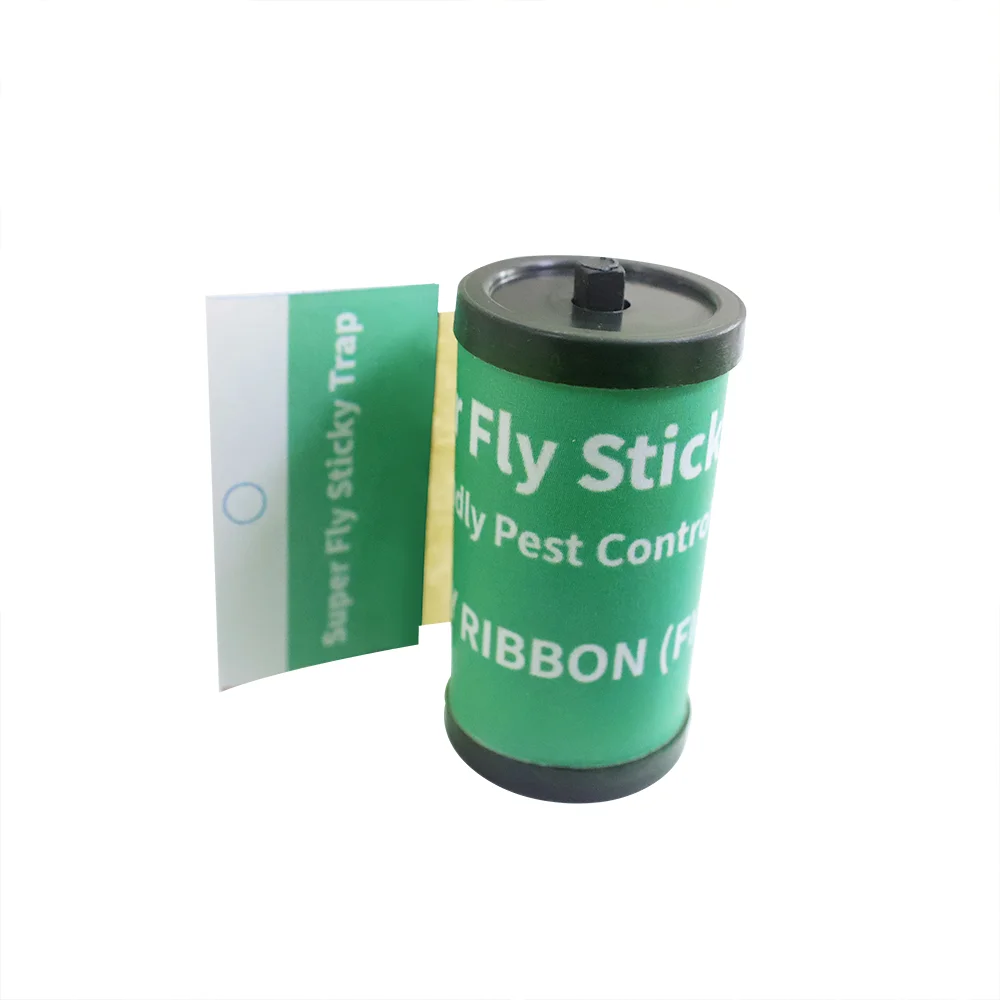
In simple terms, yellow sticky fruit fly traps are bright yellow panels coated in a non-toxic adhesive. Their vivid color attracts fruit flies—who are drawn naturally to yellow as it mimics ripe fruit. Once the flies land, they become stuck on the adhesive surface, which prevents breeding and spread.
These traps serve as both monitoring tools and control devices, enabling early detection of infestations and reducing fly populations without pesticides. In modern agriculture and humanitarian programs combating pest outbreaks, their role is increasingly vital.
Key Components of Effective Yellow Sticky Fruit Fly Traps
1. Durability
Many traps are designed with weather-resistant materials to remain effective outdoors for several weeks. UV protection ensures adhesive doesn’t degrade quickly, sustaining trapping efficiency through rain and sun exposure.
2. Adhesive Quality
Non-drying, non-toxic adhesives are crucial. They must remain tacky throughout the trap’s active life without harming beneficial insects if accidentally contacted.
3. Color Intensity
The yellow shade is not arbitrary—trap manufacturers often select specific hues proven through research to maximize attraction rates to fruit flies.
4. Size & Portability
From compact panels for small gardens to larger industrial-scale versions, traps vary in size depending on environment and pest pressure. Portability allows easy placement and repositioning as needed.
5. Cost Efficiency
Affordable materials and ease of use lower barriers for farmers, especially in developing regions. The low price point combined with measurable pest reduction results in excellent return on investment.
6. Scalability
Whether applied in backyard orchards or vast commercial farms, traps scale well. They integrate into larger pest management strategies alongside biological controls and targeted sprays.
Mini Takeaway: Successful fruit fly control with sticky traps depends on smart design balancing durability, attractiveness, and affordability.
Global Applications & Use Cases of Yellow Sticky Fruit Fly Traps
These traps show up in many corners of the world, often where fruit fly infestations pose a pressing threat. For example:
- Sub-Saharan Africa: NGOs distribute sticky traps to smallholder farmers combating medfly outbreaks affecting mango and citrus production.
- Southeast Asia: Integrated pest management programs use traps as frontline monitors to reduce pesticide reliance.
- South America: Export growers implement sticky traps to meet quarantine requirements, ensuring fruit is fly-free.
Beyond agriculture, research institutions leverage these traps to study pest behaviors and develop smarter control methods.
Advantages & Long-Term Value
Putting it frankly, yellow sticky fruit fly traps provide a low-tech, high-impact way to fight pests sustainably. The benefits include:
- Reduced Chemical Use: Cuts pesticide application frequency, protecting ecosystems and consumer safety.
- Cost Savings: Lower input costs for farmers and less crop loss translate to better profitability.
- Environmental Sustainability: Non-toxic trapping aligns with organic and sustainable farming principles.
- Community Health: Safer food and reduced chemical exposure improve wellbeing.
- Reliable Monitoring: Early pest detection helps prevent full-blown outbreaks.
Overall, these traps help maintain crop integrity, farmer income, and food supply stability—a delicate balance indeed.
Yellow Sticky Fruit Fly Trap Specifications
| Specification |
Details |
| Color |
Yellow (Pantone 116C preferred) |
| Adhesive Type |
Non-toxic, UV-resistant tacky glue |
| Size |
Standard 20 x 30 cm panels; customizable |
| Durability |
Effective up to 6 weeks outdoor |
| Deployment |
Simple placement on stakes or branches |
Comparing Top Vendors of Yellow Sticky Fruit Fly Traps
| Vendor |
Pricing (per 100 units) |
Material Quality |
Customization |
Shipping Regions |
| EcoTrap Solutions |
$120 |
High-grade UV-resistant materials |
Yes (size & adhesive) |
Global |
| PestGuard Inc. |
$100 |
Standard outdoor-grade cardstock |
Limited |
North America & Europe |
| AgriSafe Tools |
$115 |
Mid-range with bio-based adhesives |
Yes (adhesive only) |
Asia-Pacific focus |
Future Trends and Innovations in Yellow Sticky Fruit Fly Traps
As the agriculture sector evolves, so do pest control tools. Oddly enough, researchers are exploring smart traps embedded with sensors to notify growers when fly counts reach critical thresholds. Such digital transformation eases monitoring and timely intervention.
On the materials front, there’s a push for biodegradable trap substrates and plant-based adhesives—advancing the goal of zero-waste farming. Also, combining sticky traps with pheromone lures boosts selectivity and efficiency.
Challenges & Practical Solutions
No tool is perfect. Yellow sticky traps sometimes catch non-target insects, which worries conservationists. Strategic placement and timing minimize this risk.
Moreover, traps require periodic replacement and labor to install, which can be burdensome for smallholders during peak seasons. Integrating trap use with community training and mechanized dispensers offers a helpful workaround.
Frequently Asked Questions About Yellow Sticky Fruit Fly Traps
- How often should yellow sticky fruit fly traps be replaced?
- Most traps remain effective for about 4–6 weeks outdoors. However, heavy rainfall or dust can reduce adhesive efficiency sooner, so regular inspection every 2–3 weeks is recommended.
- Can yellow sticky traps harm beneficial insects?
- Yes, accidentally. To reduce bycatch, position traps near fruit fly hotspots rather than flowering plants to minimize impact on pollinators and predators.
- Are these traps usable for organic farming?
- Absolutely. Since no toxic chemicals are used, yellow sticky fruit fly traps align well with organic and sustainable agriculture practices.
- How many traps should be deployed per acre?
- Recommendations vary from 10 to 30 traps per acre based on infestation severity. Local extension services often provide guidelines tailored to regional pest pressure.
- Where can I buy reliable yellow sticky fruit fly traps?
- Vendors like EcoTrap Solutions and other suppliers offer quality traps globally. Choosing a vendor depends on your location, budget, and customization needs.
Conclusion: Why Yellow Sticky Fruit Fly Traps Are Here to Stay
Yellow sticky fruit fly traps offer a straightforward, affordable defense against a global agricultural menace. Beyond just stopping flies, they contribute to healthier ecosystems, safer food, and economic stability in vulnerable farming communities.
If you’re involved in farming, research, or supply chain management, I’d encourage you to explore these traps more. Visit our website to learn about innovative products and practical solutions tailored for diverse needs.
Reflecting on this, it feels empowering how a simple yellow sticky panel connects global efforts toward sustainable pest control and food security — sometimes, the smallest tools have the biggest impact.
References
- Food and Agriculture Organization of the United Nations (FAO): www.fao.org
- International Organization for Standardization (ISO) – Pest Control Standards
- Wikipedia: Fruit Fly – https://en.wikipedia.org/wiki/Fruit_fly