Understanding Gnat Glue Traps: An Essential Tool for Pest Control
Gnat glue traps might not be the flashiest pest control solution, but they’re often the unsung heroes in homes, greenhouses, and food industries around the world. Globally, with increased urbanization and the surge in indoor agriculture, managing small flying insects like gnats and fungus gnats has become a practical challenge worth tackling. Frankly, knowing how these sticky adhesives work and why they matter could save significant costs, protect crops, and even reduce chemical pesticide usage.
Introduction: Why Gnat Glue Traps Matter Globally
According to the Food and Agriculture Organization (FAO), pests such as gnats pose a serious threat to agricultural productivity, especially in controlled environments like greenhouses. The World Bank notes that pest-related losses can reduce yields by up to 40%, seriously affecting food security worldwide. One practical, economically viable answer to this persistent problem? Gnat glue traps. These traps are simple yet effective tools that help industries and households worldwide minimize pest outbreaks without toxic chemicals.
One challenge they address is the growing demand for sustainable pest control—chemical pesticides come with environmental and health concerns, so alternatives like glue traps are becoming more relevant.
What Are Gnat Glue Traps?
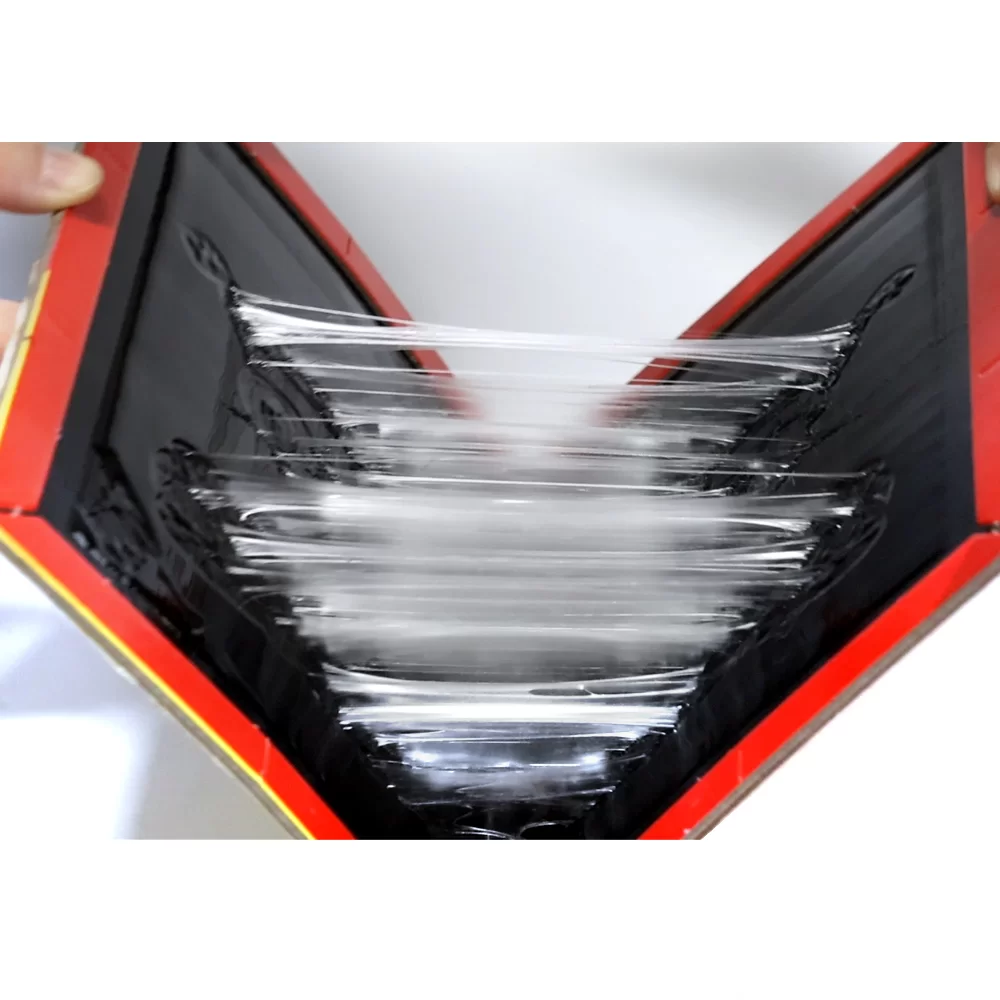
In essence, a gnat glue trap is a sticky surface coated with a non-drying adhesive designed to catch flying insects, particularly small gnats and fungus gnats. These traps are typically bright yellow to attract gnats, exploiting their natural attraction to this color. They serve both industrial needs, like greenhouse management, and humanitarian concerns, such as safe pest control in urban areas or refugee camps.
It’s a low-tech but effective device: once gnats land on the trap, they’re caught and can’t escape. No chemicals, no toxins. This feature makes them quite vital in integrated pest management (IPM), which focuses on reducing chemical pesticide reliance.
Key Factors Behind Gnat Glue Trap Effectiveness
1. Durability and Adhesive Quality
Quality adhesive is the backbone of any effective gnat trap. It must remain sticky without drying out for weeks, resisting dust and humidity. Many users report that traps with poor adhesives quickly lose effectiveness, frustrating gardeners and growers alike.
2. Scalability for Different Environments
From single-household use to sprawling industrial greenhouses, gnat traps come in various sizes and forms. Some are small cards perfect for windowsills, others are large hanging strips meant for wide-area coverage. Scalability is key to meet diverse pest control needs.
3. Cost Efficiency
Relative to chemical sprays or electronic flycatchers, glue traps are impressively budget-friendly. They require no power or special installation — just hang or place them strategically. This translates into lower ongoing operational costs and less environmental waste.
4. Environmental Safety
Since they avoid pesticides, gnat glue traps are very eco-friendly and safe around children and pets, a feature often overlooked but vital for domestic use.
5. Ease of Use and Maintenance
Traps are generally disposable and need periodic replacement when covered or no longer sticky. Their simple design means anyone can deploy them quickly without technical expertise.
Product Specifications of Popular Gnat Glue Traps
| Feature |
Standard Yellow Strip |
Heavy-Duty Large Card |
Water-Resistant Outdoor Trap |
| Dimensions |
4" x 6" |
8" x 12" |
6" x 9" |
| Adhesive Type |
Non-toxic, water-based |
Non-toxic, heavy adhesive |
Water-resistant synthetic adhesive |
| Usage |
Indoor, small areas |
Indoor-outdoor, large coverage |
Outdoor wet climates |
| Replacement Frequency |
Monthly |
Every 6 weeks |
Every 4-5 weeks |
Global Applications & Use Cases
You’ll find gnat glue traps across the globe—from European hydroponic farms to urban homes in Asia and Africa. In commercial agriculture, for example, tomato and pepper greenhouses widely rely on these traps to monitor and reduce fungus gnat populations, preventing root damage. In humanitarian contexts, non-profits working in refugee camps have adopted glue traps as part of low-toxicity pest control, maintaining better sanitary conditions.
Oddly enough, they have become particularly popular in indoor farming setups in regions like the Netherlands and the United States, where chemical pesticides are increasingly restricted by law. Even in remote industrial zones—think mining or drilling camps—simple glue traps keep pest-related discomforts manageable without complex machinery or hazardous substances.
Vendor Comparison Table
| Vendor |
Product Range |
Pricing (USD/unit) |
Shipping Regions |
Eco-certifications |
| GreenStick LLC |
Multiple sizes & adhesives |
$1.50 - $3.00 |
Worldwide |
ISO 14001 |
| StickyGreen Supplies |
Focused on outdoor traps |
$2.00 - $4.50 |
North America, Europe |
None |
| EcoTrap Co. |
Eco-friendly, biodegradable traps |
$2.50 - $5.00 |
Europe, Asia |
FSC, Biodegradable Certification |
Advantages & Long-Term Value
- Cost savings: Lower expenses than frequent chemical sprays and equipment.
- Environmental sustainability: Reduced pesticide contamination and safer disposal.
- Reliability: Constant passive trapping means ongoing pest pressure reduction.
- Safety: Non-toxic and safe around vulnerable populations.
There’s also an emotional angle—using glue traps reflects a growing commitment to cleaner, safer living and working spaces. It feels good for growers and homeowners to rely on a method that respects health and the environment.
Future Trends & Innovations
Looking ahead, manufacturers are exploring biodegradable adhesives and recyclable backing papers. Digital monitoring solutions, combining glue traps with smart cameras, could revolutionize pest tracking accuracy, optimizing replacement schedules.
Policymakers and organizations like the International Standards Organization (ISO) increasingly stress sustainability, nudging industry players toward greener, safer pest control solutions. Oddly enough, combining old-school sticky traps with IoT tech might be the unavoidable next step.
Challenges & Expert Solutions
One common limitation is the traps’ need for regular replacement — sticky surfaces get covered with dust or trapped insects. Additionally, traps can’t target all pests equally, so complementary approaches are recommended.
Experts suggest integrated pest management (IPM) strategies: using trap data to time biological controls or minimal pesticide use precisely. That way, glue traps act both as catchers and early warning systems, a clever two-birds-one-stone approach.
FAQ: Frequently Asked Questions About Gnat Glue Traps
- How often should I replace gnat glue traps?
- Typically, every 4-6 weeks depending on usage intensity and environmental conditions. Replace sooner if the adhesive surface gets dusty or fully covered with insects.
- Are gnat glue traps safe to use around children and pets?
- Yes, since glue traps are non-toxic and do not rely on chemicals, they are generally safe to use in family homes. Still, place traps out of direct reach to avoid contact with sticky surfaces.
- Can gnat glue traps be used outdoors effectively?
- Certain traps are designed for outdoor use with water-resistant adhesives. However, exposure to rain and wind can reduce effectiveness, so placement in sheltered areas is essential.
- Do gnat glue traps catch other insects besides gnats?
- Yes, many types can trap small flies and fungus gnats, but larger or heavier insects may not stick well. Traps are best as part of an integrated approach.
- Where can I buy quality gnat glue traps?
- Quality traps are available from specialized suppliers, including gnat glue traps retailers. Look for eco-certifications and product reviews.
Conclusion
Gnat glue traps represent a quietly powerful solution to a global pest problem—affordable, safe, and environmentally friendly. Whether for backyard gardeners or large industrial growers, they offer a way to reduce chemical dependency and protect crops, food, and health in real terms. If you want to explore reliable pest control products or learn more about how glue traps fit into your integrated pest management plan, don’t hesitate to visit our website.
Good pest control feels a little like good gardening—patient, steady, and thoughtful. Glue traps just make it a bit easier.
References:
- Food and Agriculture Organization - Pest Management
- World Bank Agriculture Productivity Data
- ISO 14001 Environmental Management