Cockroach Glue Boards: The Unsung Hero in Urban Pest Control
Pest control often feels like a never-ending battle, especially in dense urban areas where cockroaches are more than a nuisance—they're a health risk. Cockroach glue boards are a surprisingly effective tool in this fight. Globally, pests like cockroaches affect food safety, hygiene, and even mental well-being in homes and businesses alike. Knowing how these glue boards work—and why they matter—unlocks better, safer environments everywhere.
Introduction: Why Cockroach Glue Boards Matter Worldwide
The World Health Organization reports that cockroaches carry allergens and pathogens linked to asthma and food contamination, problems particularly acute in crowded cities and in developing countries. On a global scale, pest control represents a multibillion-dollar challenge and opportunity; urbanization only increases cockroach habitats. Public health agencies and businesses worldwide rely on accessible, inexpensive solutions to control these pests. Cockroach glue boards offer a practical, low-toxicity method readily adopted across various sectors.
Finding effective solutions is crucial for restaurants, hospitals, schools, and even humanitarian operations. The key problem? Many chemical treatments carry health risks or lose effectiveness over time. Glue boards fill this gap by capturing insects physically, without poisons.
What Exactly Are Cockroach Glue Boards?
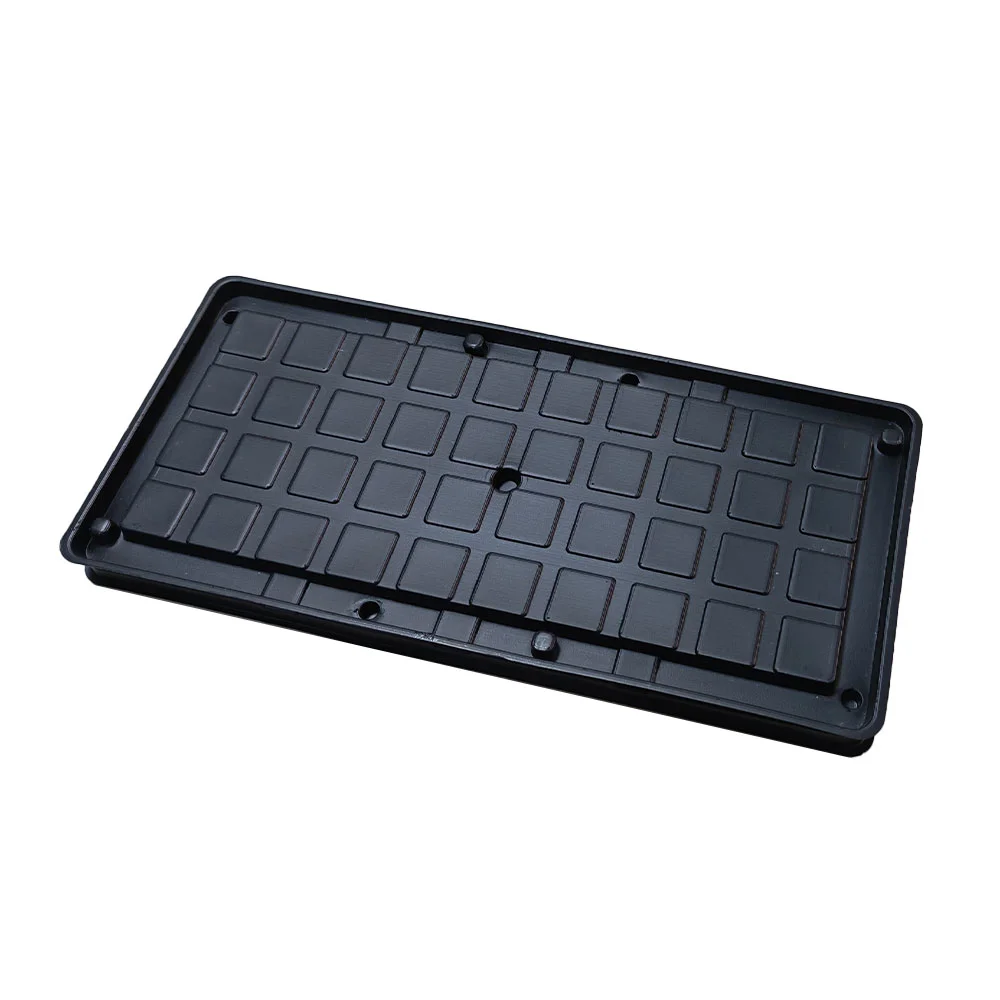
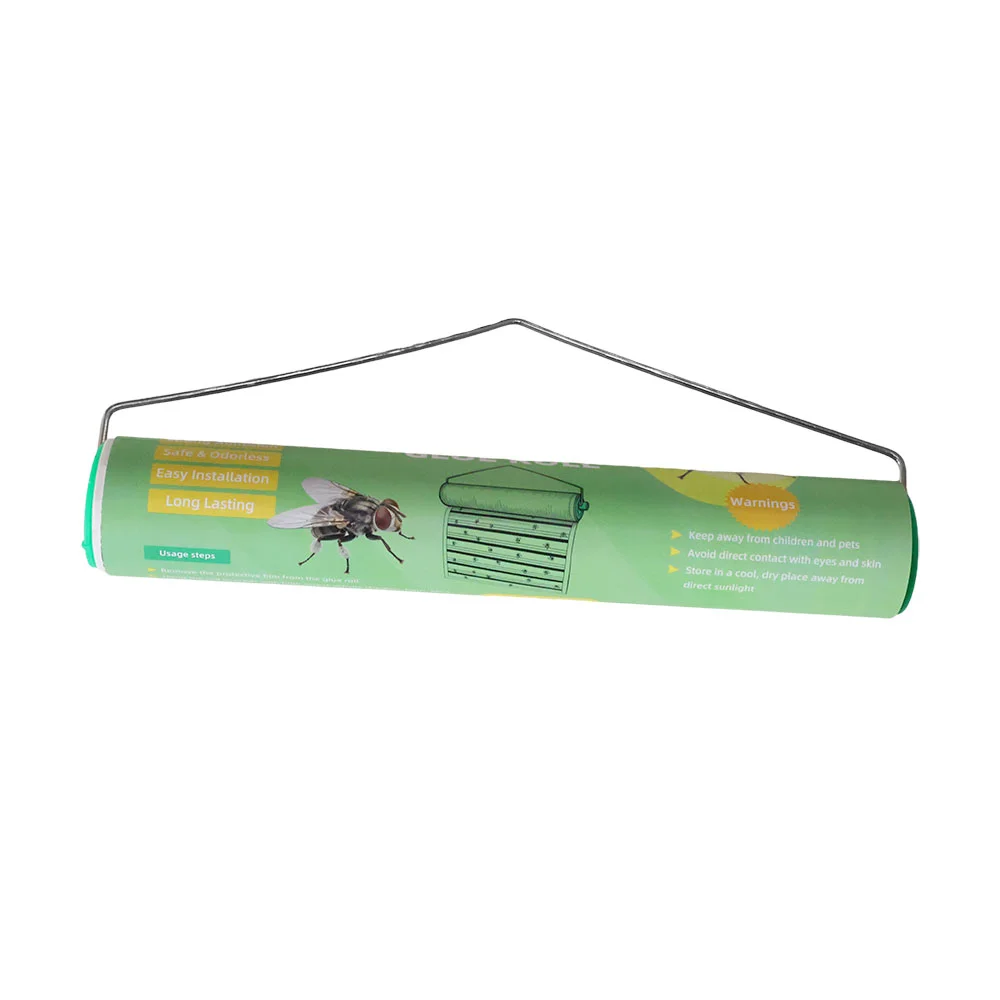
Simply put, a cockroach glue board is a flat piece of cardboard or plastic coated with a sticky adhesive that traps cockroaches as they crawl over it. No chemicals, no sprays—just a sticky surface that intercepts insects' movement patterns. This approach aligns well with integrated pest management (IPM), which favors reduced pesticide use and focuses on mechanical, biological, or cultural controls.
For hospitality or healthcare facilities, this means a discreet, non-toxic way to monitor and control cockroach populations without risking residue or contamination—plus, they’re simple enough for almost anyone to deploy.
Key Factors Behind Effective Cockroach Glue Boards
- Adhesive Strength: The glue must be tacky enough to trap cockroaches of various sizes but not so strong that it picks up dust or becomes less sticky over time.
- Size & Design: Typically rectangular and portable, boards often have folded edges or attractants to lure pests. Some come with discreet covers, blending into corners without being eyesores.
- Durability: Boards should last long enough to be effective, often 2-4 weeks, without drying or losing stickiness due to humidity or temperature changes.
- Cost Efficiency: Since pest control requires ongoing monitoring, glue boards are designed to be affordable while maintaining quality.
- Environmental Safety: Non-toxic by design, they pose minimal risk to pets, humans, or food prepping areas, contributing to safer environments.
All these factors coexist to create a practical, user-friendly tool that remains the frontline choice for many pest management professionals.
Product Specifications of Popular Cockroach Glue Boards
| Feature |
Model A |
Model B |
Model C |
| Dimensions |
20cm x 9cm |
22cm x 10cm |
18cm x 8cm |
| Adhesive Type |
Water-based, non-toxic |
Synthetic resin |
Natural latex |
| Durability |
Up to 4 weeks |
3 weeks |
2 weeks |
| Price per pack (10 boards) |
$12.99 |
$14.50 |
$10.75 |
| Attractant Included? |
No |
Yes |
No |
Where Are Cockroach Glue Boards Used Around the World?
This seemingly modest tool finds roles in very diverse contexts:
- Restaurants and Food Service: Hygiene is paramount, and glue boards offer a discreet monitoring solution inside kitchens or storage.
- Hospitals and Healthcare: Chemical pesticides can be risky; using glue boards complements infection control protocols without chemical residues.
- Residential Buildings: Urban apartment complexes use them in basements and shared facilities to reduce pest populations without disturbing residents.
- Industrial Warehouses: Large-scale storage areas rely on glue boards to quickly detect and trap pest infestations before serious damage or contamination.
- Post-Disaster Relief: In temporary shelters, glue boards provide a safe, rapid method to manage pests in less-than-ideal sanitary conditions.
Oddly enough, even some agricultural operations use them to reduce pesticide dependence. The simplicity means they’re easy to train staff or volunteers to deploy, ensuring faster response times and ongoing monitoring.
Advantages & Long-Term Benefits of Cockroach Glue Boards
In real terms, their advantages ripple beyond just trapping bugs:
- Safety: No toxic fog, no residue, so sensitive environments and kids’ habitats are protected.
- Cost-effectiveness: Generally low cost and reusable in terms of monitoring before escalating to more aggressive steps.
- Sustainability: Minimal chemicals means better for ecosystems and less chance of pest resistance.
- Trust and Confidence: Visible evidence of pest activity helps facility managers make informed decisions without guesswork.
- Non-disruptive: Glue boards work quietly in the background, reducing the need for evasive control measures.
Looking Ahead: Innovations on the Horizon
Technology in pest control is quietly evolving. For glue boards, the future includes:
- Eco-friendly Adhesives: Research into biodegradable glues that maintain stickiness without environmental persistence.
- Digital Pest Monitoring: Smart glue boards with sensors to detect captures and alert staff remotely, integrating with IoT systems.
- Scent Attractants: New chemical attractants derived from natural pheromones to improve catch rates selectively for cockroaches.
- Material Engineering: Boards with antimicrobial surfaces that not only trap pests but reduce pathogen transfer.
It’s a modest innovation path, but one with potentially big impacts on health and hygiene management worldwide.
Challenges and Solutions
Glue boards aren’t perfect. Challenges include:
- Drying Out: Adhesive can lose effectiveness in very dusty or humid environments.
- Non-Selective Trapping: They sometimes catch beneficial insects or even small pets.
- Placement Sensitivity: Misplaced boards may not intercept cockroach traffic effectively.
Experts suggest combining glue boards with other IPM strategies—like thorough sanitation, sealing entry points, and chemical baits—to improve success. Additionally, choosing boards with weather-resistant adhesives or placing them inside discreet covers keeps performance up. Training teams on strategic placement is often overlooked but critical.
Vendor Comparison: Popular Cockroach Glue Board Providers
| Vendor |
Product Range |
Price Range |
Eco Features |
Distribution |
| PestSecure |
Basic to Premium |
$10–$20/pack |
Non-toxic glues |
Global |
| EcoTrap |
Specialized eco-grade |
$15–$25/pack |
Biodegradable adhesive |
North America, Europe |
| UrbanGuard |
Standard with lure |
$12–$18/pack |
No harsh chemicals |
Asia, Australia |
FAQ: Your Questions about Cockroach Glue Boards
Q1: How often should I replace cockroach glue boards in my restaurant?
A: Generally, replace the boards every 2-4 weeks, or sooner if they become dusty or covered with caught insects. Regular replacement ensures glue effectiveness and hygiene.
Q2: Can glue boards be used outdoors?
A: While they can be placed in sheltered outdoor areas, weather elements like rain and dust can quickly degrade adhesive performance. Specialized weatherproof boards exist but are less common.
Q3: Are glue boards safe to use around children and pets?
A: Yes—traditional cockroach glue boards are non-toxic and chemical-free, making them safer than pesticides. However, placement should still avoid areas accessible to curious pets or kids.
Q4: How do glue boards fit into an integrated pest management (IPM) strategy?
A: They are mainly monitoring and mechanical control tools. Glue boards help detect infestations early and reduce pest populations but should be combined with sanitation, exclusion, and chemical treatments as necessary.
Conclusion and Call to Action
Cockroach glue boards might seem simple, but their role in maintaining sanitary, safe spaces globally is significant. Their cost-effectiveness, non-toxic nature, and ease of use make them a staple wherever pest control is taken seriously. To explore a versatile range of cockroach glue boards and enhance your pest management plans, visit our website: cockroach glue boards.
Ultimately, these humble boards help us reclaim control over one of the oldest urban pests, improving health and peace of mind worldwide.
Mini Takeaway: Effective cockroach control is not just about elimination but prevention and monitoring—cockroach glue boards enable this vital balance.
References:
- World Health Organization on Cockroach Health Risks
- Wikipedia: Cockroach Control
- ISO Integrated Pest Management Standards