Understanding Fruit Fly Sticky Paper: A Simple Yet Vital Tool Globally
If you’ve ever been in a kitchen or garden where fruit flies swarm relentlessly, you might have encountered fruit fly sticky paper. This modest-looking trap has a big role to play worldwide, beyond just annoying household pests. Frankly, it’s a frontline solution in agriculture, food storage, research labs, and even humanitarian relief zones. Given that fruit flies can devastate crops, spread disease, and cause economic losses, understanding and adopting effective controls like sticky paper is no small matter. Plus, these traps’ affordability and environmental friendliness make them essential tools in integrated pest management globally.
Introduction: Why Fruit Fly Sticky Paper Matters on a Global Scale
Fruit flies aren’t just a nuisance; they’re a global agricultural threat. According to the United Nations Food and Agriculture Organization (FAO), fruit flies are responsible for up to 30% crop loss in many developing regions. The World Bank estimates that fruit fly infestations contribute to billions in economic damage annually. This is especially critical in tropical and subtropical countries where fruits and vegetables form significant portions of community livelihoods and nutrition.
Enter fruit fly sticky paper: a low-tech but highly effective method for monitoring and reducing these tiny invaders. The primary challenge it helps address is the difficulty of pest control in smallholder farms, food warehouses, and export hubs where expensive chemical or electronic solutions may not be feasible. By providing a physical, pesticide-free means to trap fruit flies, these sticky papers contribute directly to safer food supplies and healthier environments.
Definition & Meaning: What Exactly is Fruit Fly Sticky Paper?
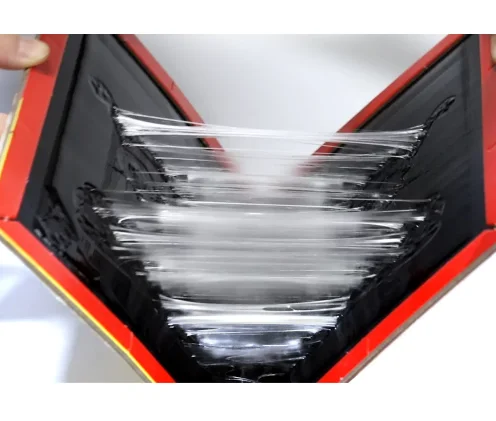
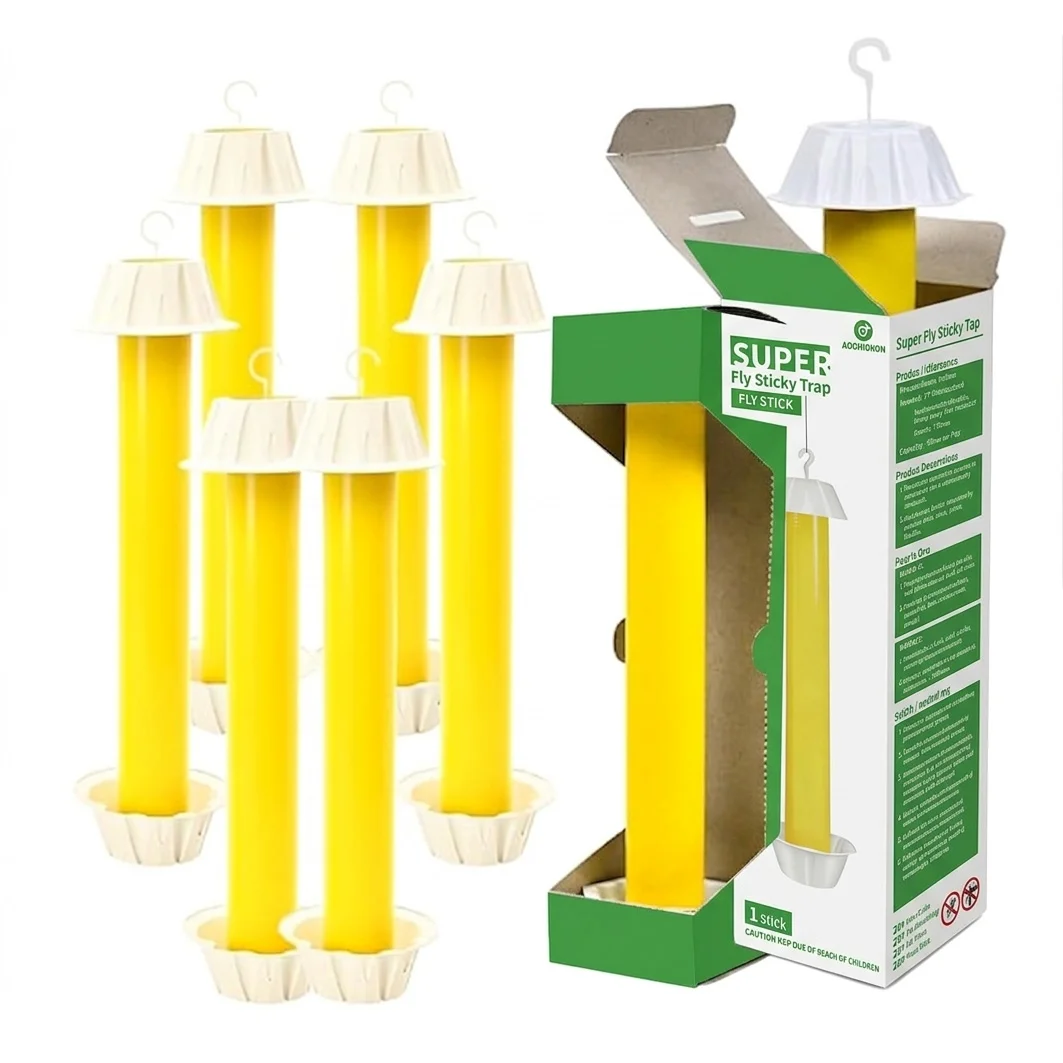
Simply put, fruit fly sticky paper is a sticky adhesive sheet designed to attract and capture fruit flies, preventing them from laying eggs on produce or breeding further. Usually brightly colored—often yellow—to lure flies, it is coated with a non-toxic, high-tack adhesive. The concept is straightforward but thoughtfully engineered: trap flies with something they’re drawn to naturally, similar to a flypaper, but specialized for fruit fly species.
In industrial terms, these sticky traps have become a cornerstone in pest management programs. Humanitarian organizations increasingly use them in post-disaster agricultural recovery, ensuring quick pest suppression without relying on harmful chemicals. Given growing concerns about pesticide resistance and pesticide residues in food, sticky traps stand out as an effective alternative.
Key Aspects of Fruit Fly Sticky Paper
1. Durability
The adhesive must remain tacky, humidity-resistant, and sticky long enough to be effective, typically between 2-4 weeks depending on conditions. Durability is crucial because frequent replacements may incur labor and cost burdens, especially in remote farms.
2. Attractiveness (Color and Scent)
Fruit flies are drawn to particular colors and odors. Most sticky papers are bright yellow, mimicking ripening fruit. Some come with added pheromones or food lures to increase catch rates, blending physical and chemical attraction.
3. Scalability
Fruit fly sticky papers are available in various sizes: from small strips for home use to large panels used in orchards or packing houses. This scalability allows growers of all sizes to tailor pest management effectively.
4. Cost Efficiency
Compared to electronic traps, chemical sprays, or labor-intensive manual controls, sticky papers are remarkably affordable. This is especially relevant in developing countries or small-scale operations with tight budgets.
5. Environmental Impact
Sticky paper does not release pesticides or harmful substances, making it sustainable and eco-friendly. It fits well within Integrated Pest Management (IPM) systems aiming to reduce chemical inputs.
Global Applications & Use Cases
- Agricultural sectors: In countries like Brazil, Mexico, and parts of Africa, fruit fly sticky paper is used to monitor and control fly populations in mango, citrus, and guava orchards.
- Food Storage: Warehouses storing fruits and vegetables install these sticky traps to catch flies before infestations start, reducing spoilage.
- Research Labs: Entomologists rely on sticky papers to identify fruit fly species for ecological studies and pest forecasts.
- Humanitarian settings: Post-disaster relief organizations use sticky papers to stabilize food sources in affected regions, reducing disease transmission linked with fruit flies.
Oddly enough, these traps have even found use in home kitchens to reduce nuisance populations without toxic sprays. It feels like a small step, but considering fly’s short reproductive cycles, it makes a real difference.
Advantages & Long-Term Value of Fruit Fly Sticky Paper
From a cost perspective, fruit fly sticky papers are easy to deploy and maintain. Environmentally, they support sustainable agricultural practices by reducing pesticide reliance. Socially, they protect food security by curbing fruit fly damages that could otherwise lead to crop failures and income loss. They also impart a sense of safety to consumers wary of chemical residues on fresh fruits.
The emotional reassurance of a safer, more sustainable way to manage pests can’t be overstated—farmers often describe it as 'peace of mind' during critical growing seasons. Plus, the simplicity means less training and fewer errors.
Product Specification Table
| Feature |
Specification |
| Size |
10cm x 15cm; also comes in rolls |
| Color |
Bright yellow for maximum fly attraction |
| Adhesive Type |
Non-toxic, weather-resistant tacky glue |
| Lure Options |
Plain or combined with fruit-based pheromones |
| Effective Duration |
2 to 4 weeks under typical field conditions |
Popular Vendors Comparison
| Vendor |
Adhesive Quality |
Price per Pack |
Pheromone Options |
Environmental Certification |
| EcoTrap Co. |
High tack, weatherproof |
$12 (10 sheets) |
Yes |
ISO 14001 |
| FlyAway Solutions |
Moderate tack |
$9 (10 sheets) |
No |
None |
| GreenPest Controls |
Very high tack, multi-environment |
$15 (10 sheets) |
Yes, several blends |
Organic Certified |
Future Trends & Innovations
Looking ahead, fruit fly sticky paper is evolving beyond simple adhesive traps. Researchers are exploring biodegradable substrates that leave zero plastic waste — which feels crucial as sustainability takes center stage worldwide. Incorporating digital monitoring tech, such as smart sensors or image recognition, could automate fruit fly counts, providing farmers with real-time pest data on their phones.
Meanwhile, ecological innovations include combining sticky papers with natural pheromones synthesized through greener chemistry methods, lowering environmental impacts even further. In developing areas, policy shifts encouraging IPM adoption will likely drive increased governments and NGO funding to scale sticky paper use — especially since it supports reducing pesticide residues consistent with ISO standards on food safety.
Challenges & Solutions
Despite its merits, fruit fly sticky paper faces some setbacks. For instance, adhesive strength can degrade rapidly in very humid or rainy environments, diminishing efficacy. Also, the traps only cover a limited area, requiring strategic placement and routine replacement. This can translate into higher labor input in large farms.
That said, some manufacturers now offer weather-resistant glue formulas, and rotating trap placements on a schedule helps maintain coverage. Combining sticky papers with other pest control methods — such as bait stations or natural predators — is widely advocated by entomologists to tackle infestations holistically. You know, no single method is a silver bullet, but sticky paper remains a practical central part of integrated systems.
FAQ: Frequently Asked Questions About Fruit Fly Sticky Paper
-
How often should fruit fly sticky paper be replaced?
Generally, every 2 to 4 weeks depending on local climate and fly pressure. A sticky sheet loses efficacy once covered with flies or if adhesive dries out.
-
Can fruit fly sticky paper be used indoors safely?
Yes, they contain no toxic chemicals so are safe indoors. Just place away from children or pets to avoid contact with adhesive.
-
Are pheromone-infused sticky papers more effective?
Usually yes, since pheromones attract specific fruit fly species, boosting catch rates compared to color alone.
-
Is fruit fly sticky paper reusable?
No, once adhesive is covered with trapped flies or dust, the sheet must be replaced.
-
Where can I buy fruit fly sticky paper in bulk?
Many agricultural suppliers and online stores offer bulk purchases; looking for vendors with environmental certifications ensures quality and sustainability.
Conclusion & Call to Action
In sum, fruit fly sticky paper isn’t just a simple trap — it’s a critical component of sustainable pest management worldwide. Its affordability, environmental safety, and ease of use position it as an indispensable tool in farms, food storage, labs, and humanitarian efforts alike. As interest in eco-friendly and scalable solutions grows, sticky papers’ role only broadens.
Curious to explore quality options or integrate this into your pest control strategy? Visit our website for comprehensive information and products: fruit fly sticky paper.
After all, minimizing fruit fly damage helps protect both global food systems and local livelihoods – a little sticky paper, big impact.
Takeaway: Sometimes the simplest tools — sticky paper, in this case — are the ones that uphold whole ecosystems, farms, and communities around the world.
- FAO - Food and Agriculture Organization of the United Nations
- ISO - International Organization for Standardization
- Wikipedia: Fruit Fly