Understanding Glue Traps for Scorpions: Why They Matter Globally
If you live in a region where the desert sun burns hot and scorpions like to make surprise visits, glue traps for scorpions can be a game changer. They’re simple, cost-effective tools designed to catch these elusive arachnids before they sting your family or disrupt operations. But beyond the home, these traps are gaining attention across industries and humanitarian efforts worldwide — especially as scorpion incidents rise in regions with climate shifts and urban expansion.
Scorpion stings cause around 1.2 million people worldwide to seek medical help each year; in some countries, they contribute significantly to rural health risks (Wikipedia on Scorpion Sting). That’s where an effective, non-toxic solution like glue traps for scorpions makes a practical difference, providing safety without chemicals or bulky gear.
Why Glue Traps for Scorpions Are Becoming a Global Concern
It might seem odd that a sticky trap for a desert critter ranks as a global talking point. Yet, according to World Bank data, regions in North Africa, South Asia, and Latin America face growing scorpion population pressures partly due to environmental changes and human encroachment on natural habitats.
The challenge? Traditional pesticides often fail to address scorpion control cost-effectively or safely, especially in homes, farms, and sensitive industrial sites. Glue traps offer a low-impact way to reduce encounters without toxic residues, making them increasingly vital for pest control professionals, NGOs, and even ordinary homeowners.
What Exactly Are Glue Traps for Scorpions?
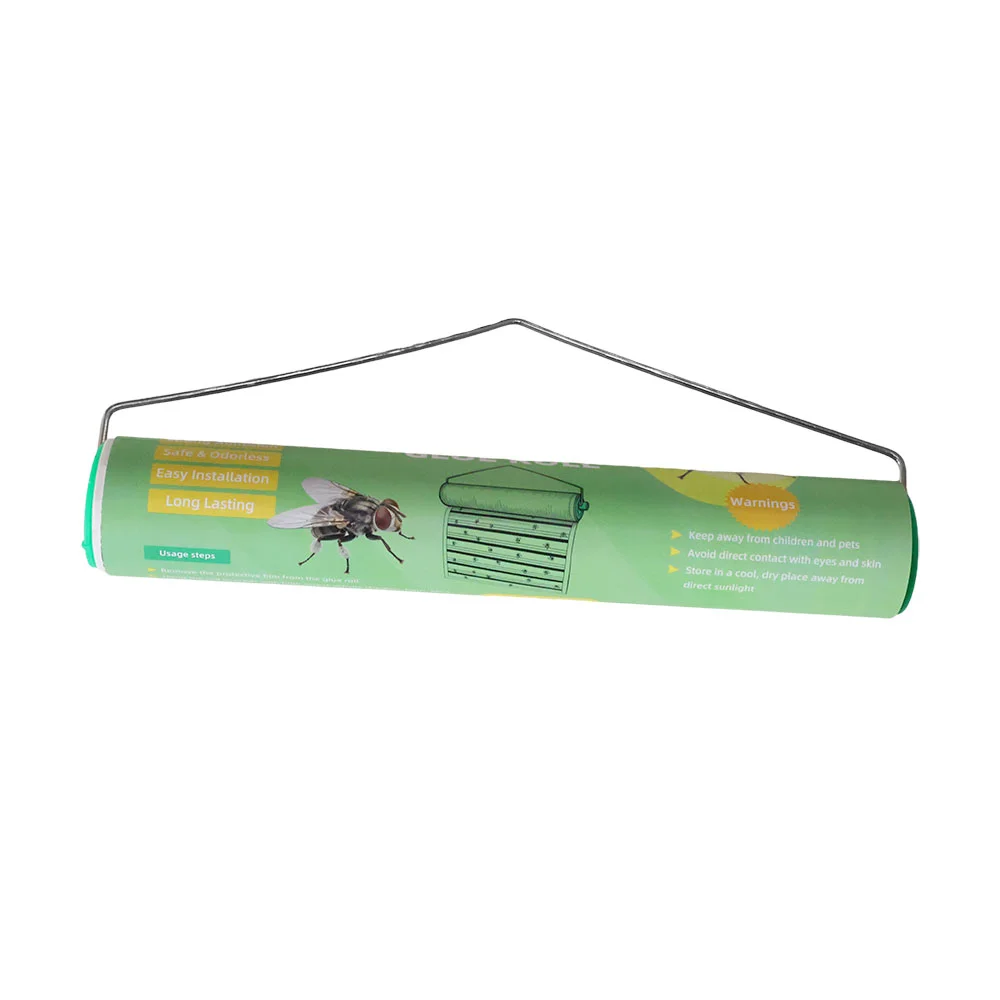
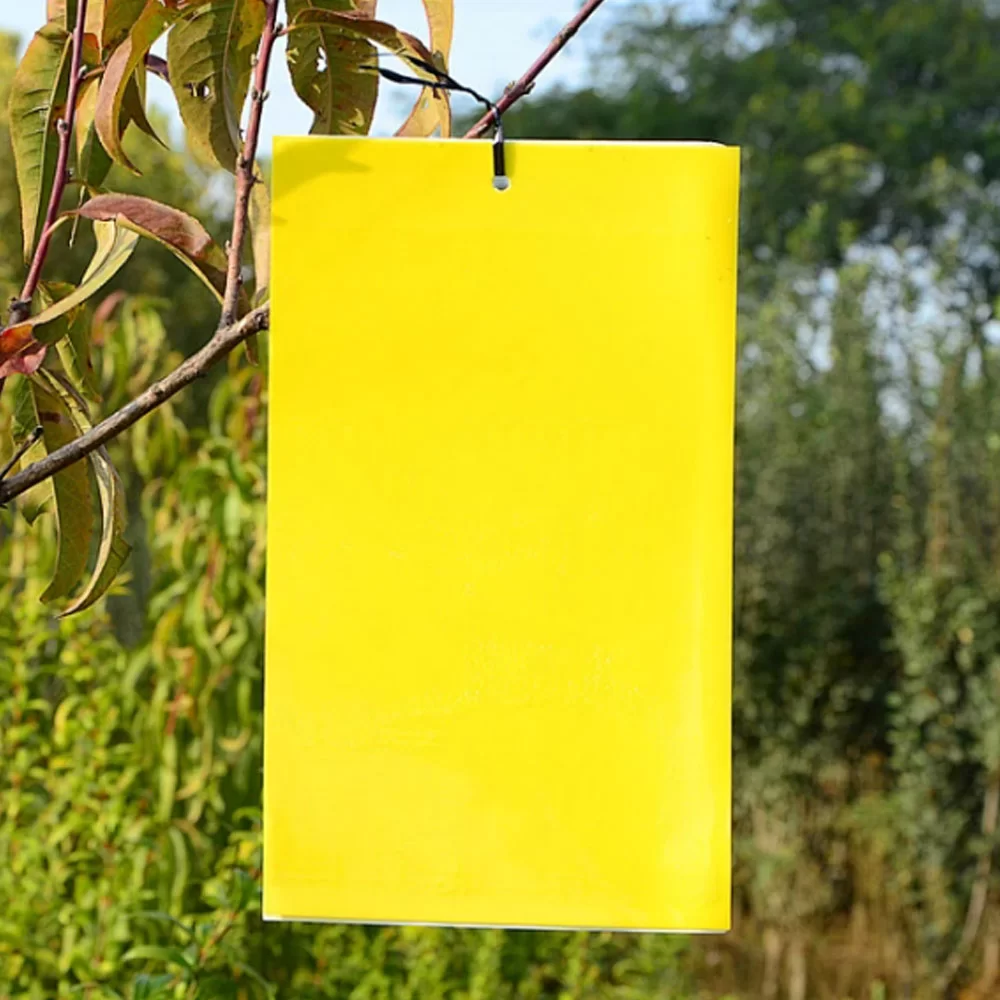
At their core, glue traps for scorpions are simple adhesive sheets or pads placed strategically where scorpions travel. Once they step onto the sticky surface, they become trapped — immobilized and unable to escape. No poison, no electricity, no bulky equipment involved.
These traps align neatly with modern integrated pest management approaches valuing minimal environmental disruption. They’re also gaining traction in humanitarian contexts, where quick, safe scorpion control can protect vulnerable communities from life-threatening stings.
Key Features That Define Quality Glue Traps
1. Adhesive Strength
The glue must be sticky enough to hold fast but not degrade easily. Many traps use non-toxic, weather-resistant adhesives that maintain tack even in high humidity or dusty conditions.
2. Durability and Size
Glue trap pads vary from small, discreet sheets to larger mats, depending on application. Durability matters for traps left down for days or weeks in remote areas.
3. Safe Materials
Modern traps avoid hazardous chemicals, crucial for indoor use or near children and pets.
4. Ease of Deployment
One reason glue traps excel is how simply they can be set — no special tools or training needed.
5. Environmental Sustainability
Some manufacturers are innovating biodegradable bases and eco-friendly glues, pushing these products toward greener pest control.
Mini Takeaway:
While deceptively simple, quality glue traps balance adhesion, safety, and ease for effective scorpion control worldwide.
Real-World Applications of Glue Traps for Scorpions
These traps find varied uses across different settings:
- Residential areas: Prevent night-time scorpion encounters in homes, especially in arid regions.
- Agriculture: Protect crops and farmworkers where scorpions inhabit grain stores or irrigation canals.
- Humanitarian relief: In post-disaster camps or refugee settlements, traps reduce poisoning risks from overused pesticides.
- Industrial zones: Remote mining or energy fields deploy traps for staff safety without interrupting operations.
For instance, in the southwestern US, pest control companies often recommend glue traps as part of a seasonal scorpion management protocol — a detail often overlooked until that annoying sting ruins the day.
Advantages and the Long-Term Benefits
Beyond catching scorpions themselves, these traps bring several benefits:
- Cost-effective: Low production and deployment costs mean users can cover large areas affordably.
- Eco-friendly: Avoids chemical runoff common with sprays and poisons.
- Safe for humans and pets: No toxic residues or accidental poisoning concerns.
- Reliable and silent: No noises, smells, or electricity needed.
- Supports dignity and comfort: Especially in humanitarian zones, safe pest control is a matter of community well-being.
It’s odd how a humble sticky trap can contribute to well-being in subtle ways — less fear, less disturbance — that stretch far beyond pest control.
Product Specification Table
| Feature |
Detail |
| Dimensions |
15 cm x 20 cm standard sheet |
| Adhesive Type |
Non-toxic, weather-resistant synthetic resin |
| Shelf Life |
Up to 2 years unopened |
| Biodegradability |
Partial (paper backing) |
| Usage Areas |
Indoor/outdoor (shaded zones recommended) |
| Packaging |
Box of 10 sheets |
Vendor Comparison: Leading Glue Trap Suppliers
| Vendor |
Price per Pack |
Eco-Friendliness |
Global Shipping |
Additional Features |
| ScorpionSafe Inc. |
$25 |
Yes (biodegradable backing) |
Worldwide |
UV-resistant glue |
| DesertCatch Solutions |
$22 |
No (standard adhesive) |
North America only |
Reusable backing material |
| EcoTrap Global |
$30 |
Yes (plant-based glue) |
Europe & Asia |
Compostable packaging |
Looking Ahead: Trends in Glue Trap Technology
Innovation isn’t often associated with something as straightforward as glue traps, but the field is evolving. New bio-based adhesives reduce environmental impact further — no more petrochemical sticky residue. Some companies are embedding micro-sensors for remote monitoring, blending analog simplicity with digital convenience.
There’s also a trend toward modular, customizable traps that fit into smart pest management systems, allowing tailored pest control plans for farms, humanitarian projects, or industrial sites. In real terms, that means less waste, better targeting, fewer trapped non-target critters — win-win.
Challenges and How to Tackle Them
One main issue is durability in extreme weather; sticky surfaces might lose tackiness after prolonged sun or dust exposure. Additionally, traps sometimes catch non-target insects or small animals, raising ethical and ecological concerns.
Experts suggest deploying traps in shaded, strategic locations and combining them with other measures like habitat modification. Plus, ongoing research into adhesives promises longer-lasting, species-specific attraction adhesives.
FAQ: Your Questions About Glue Traps for Scorpions
Q1: How often should glue traps for scorpions be replaced?
A: Typically, traps remain effective for up to two weeks, but effectiveness can decrease due to dust or debris accumulation. Regular checks every 7–14 days are recommended to maintain high capture rates and replace spent traps.
Q2: Are glue traps safe to use around children and pets?
A: Yes, most glue traps use non-toxic adhesives and materials that are safe indoors. However, it’s best to place traps out of easy reach and supervise to avoid accidental contact.
Q3: Can glue traps be reused?
A: Generally, no. Once a glue trap is used or covered with debris, its effectiveness declines sharply. Some traps have reusable backings, but the adhesive layer typically needs replacing.
Q4: Where is the best place to set glue traps in my home or property?
A: Place traps along walls, near doors, windows, and dark corners where scorpions travel at night. Outdoors, shaded areas near rocks or woodpiles work well.
Q5: Do glue traps work against all scorpion species?
A: Glue traps catch most scorpions that cross them, but species with very small legs or high climbing tendencies might evade traps. Combining traps with other control methods is optimal.
Final Thoughts
Glue traps for scorpions are a bit of a humble hero — affordable, safe, and adaptable enough to protect homes, farms, and vulnerable communities across the globe. They balance practicality with environmental mindfulness, making them a quietly vital tool in the ongoing challenge of pest management.
If you’d like to explore options, find trusted products, or get expert advice on integrating glue traps into your safety or pest control plan, visit glue traps for scorpions. It’s a small step for safer, sting-free living.
References:
- Wikipedia - Scorpion Sting
- World Bank Data Indicators
- ISO Standards on Pest Control Materials (example)