Sticky Fly Strips: An Overlooked Hero in Pest Control
If you’ve ever been driven mad by those relentless buzzing nuisances in a café, restaurant, or warehouse, chances are sticky fly strips hinted their presence nearby. But beyond their humble and somewhat old-school reputation, sticky fly strips continue to play a quietly vital role around the globe, tackling one of humanity’s persistent challenges: insect-borne contamination and discomfort. Understanding sticky fly strips—what they are, how they work, and why they matter—means appreciating a simple yet effective solution for public health, especially where modern interventions fall short.
In this article, I’ll take you through the practical and global significance of sticky fly strips, key design features, real-world applications, and even peek at emerging upgrades shaping the future of insect control.
The Global Stage: Why Sticky Fly Strips Still Matter
Globally, unsafe food handling and disease vectors remain a pressing concern. According to the World Health Organization (WHO), flies act as disease transmitters for illnesses like cholera, dysentery, and typhoid fever, especially in areas lacking robust sanitation infrastructure. The UN Food Systems Summit has highlighted pest control as a key step towards safer food environments worldwide.
Despite advances in insecticides and digital pest control, many small enterprises, rural clinics, and temporary relief centers still turn to sticky fly strips for their proven cost-effectiveness and reliability. The strips offer an immediate physical barrier—trapping flies as they land—requiring no power source or complex machinery. From cramped market stalls in Asia to emergency shelters in Africa, these strips quietly safeguard millions daily.
Mini takeaway: Sticky fly strips may not be flashy, but their sheer simplicity and scalability give them global staying power in public health and food safety.
What Exactly Are Sticky Fly Strips?
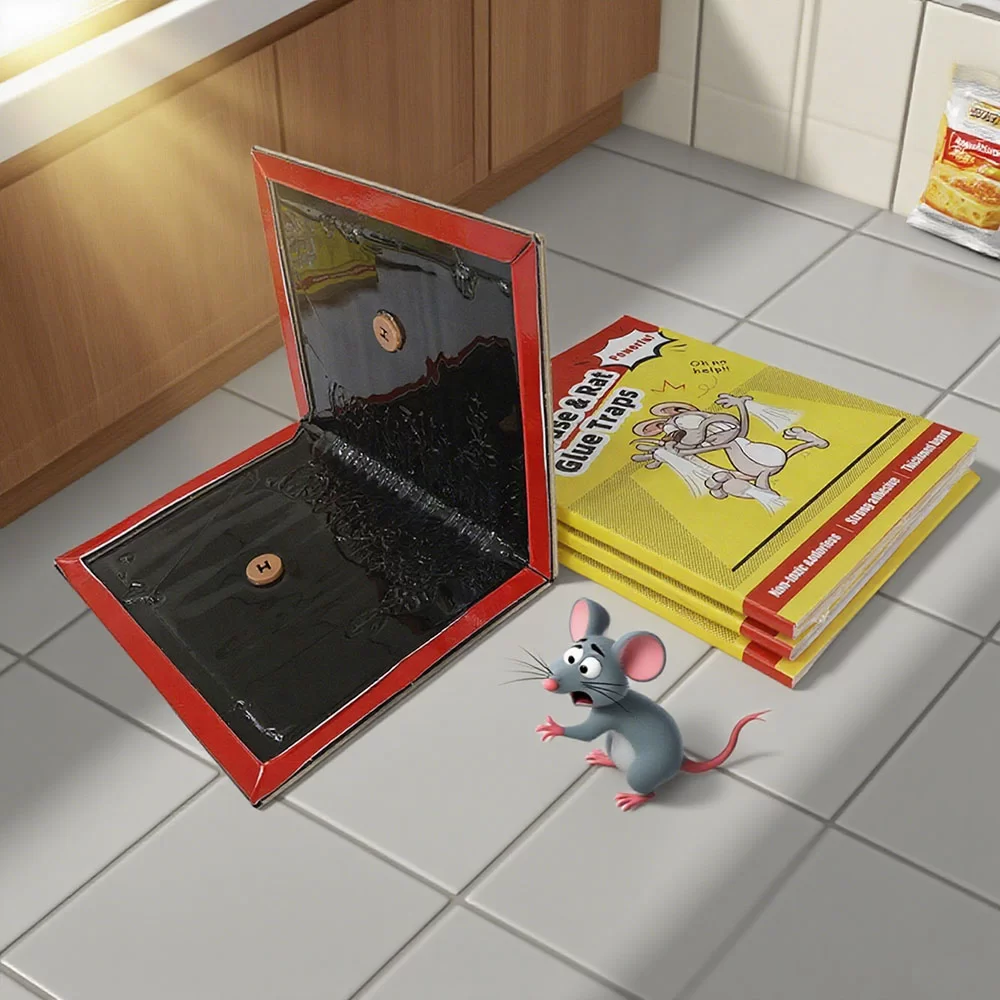
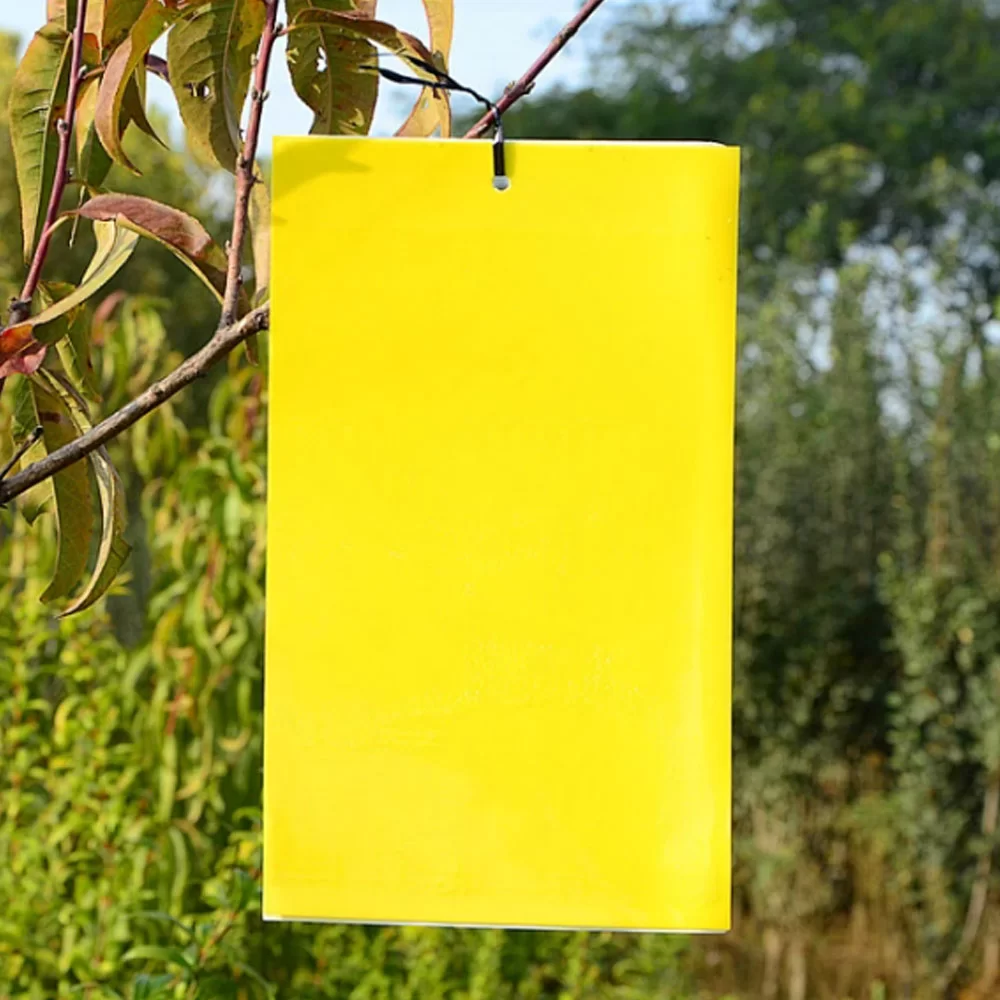
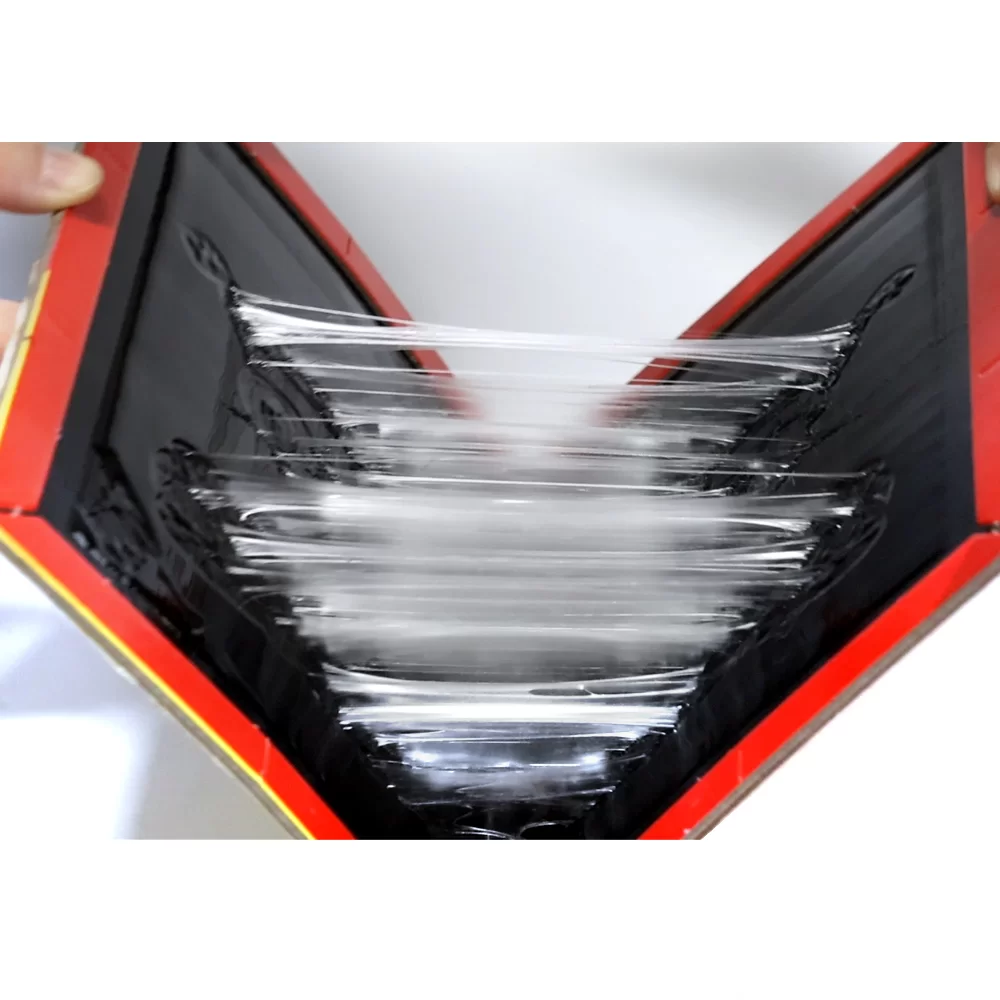
At their core, sticky fly strips are narrow, elongated strips coated on one side with a non-toxic, adhesive glue designed to trap flying insects, especially flies. Suspended from ceilings, windows, or walls, these strips catch flies when they land, preventing the irritating buzz and reducing the risk of contamination.
They’re part of a broader spectrum of pest management tools, emphasizing mechanical rather than chemical control—ideal where harsh pesticides aren’t suitable or accepted. Oddly enough, although technology often sidelines them, their value persists especially in humanitarian settings, small businesses, and regions with limited resources.
Sticky fly strips, in their simplicity, reflect modern needs to marry affordability and hygiene—an ongoing balancing act worldwide.
Core Components of Sticky Fly Strips
1. Adhesive Quality
The effectiveness hinges on the adhesive’s tackiness—sticky enough to trap flies instantly, but not so sticky that surrounding dust and debris clog it prematurely. Advances have led to eco-friendly glues that avoid harmful chemicals.
2. Strip Material and Durability
Most strips use sturdy, moisture-resistant paper or thin plastic backing for durability. Wood pulp or biodegradable materials are rising trends, aligning with environmental stewardship.
3. Size and Shape Variations
Strips range from compact ones fit for household windows to larger industrial rolls designed for warehouses. Some come perforated to create a customizable length.
4. Hanging Mechanism
Typically, a small hole or tab allows easy suspension using strings or hooks. This makes placement flexible—even under uneven ceilings or cramped corners.
5. Safety and Non-Toxicity
Since many fly strips are used near food or in medical environments, adhesives must comply with safety standards set by entities like the FDA or ISO.
6. Cost Efficiency
Typically low cost per unit helps small businesses and NGOs deploy them widely without excessive budget stress.
Mini takeaway: From sticky glue to biodegradable backings, every design detail of sticky fly strips complements a real-world need — easy deployment, safety, and lasting performance.
Practical Applications Around the World
Sticky fly strips find homes everywhere from rural farms in Latin America to urban kitchens in Europe. Here are some vivid examples:
- Food processing factories: Keeping contamination at bay without chemical residues.
- Humanitarian relief camps: Especially post-disaster, where power and infrastructure are lacking but fly control is urgent.
- Hospitals and clinics: To reduce pathogen spread through flies, particularly in tropical regions.
- Restaurants and markets: A visible hygiene measure reassuring customers.
- Remote industrial sites: Where conventional insect control tools are impractical.
Vendors worldwide report that regions with hot, humid climates especially appreciate these strips since fly populations swell, and traditional pesticides might not be safe or available.
Sticky Fly Strips Product Specification Table
| Specification |
Details |
| Material |
Biodegradable paper with eco-friendly adhesive |
| Size |
10 x 150 cm (custom lengths available) |
| Adhesive Type |
Non-toxic, odorless, insect-specific |
| Shelf Life |
Up to 18 months (stored in cool, dry place) |
| Hanging Method |
Built-in punched hole for string or hook suspension |
| Compliance |
FDA & ISO 9001 certified adhesives |
Comparing Popular Sticky Fly Strip Vendors
| Vendor |
Price per Strip |
Eco-Friendliness |
Customization |
Lead Time |
| FlyTrap Co. |
$0.50 |
Standard adhesive, non-biodegradable |
Limited sizes only |
2 weeks |
| EcoPest Solutions |
$0.65 |
Biodegradable paper, eco-glue |
Full length/width customization |
3-4 weeks |
| HealthGuard |
$0.55 |
FDA-approved adhesives |
Standard Sizes |
1 week |
The Advantages and Long-Term Value of Sticky Fly Strips
Cost-wise, sticky fly strips are broadly accessible. If you’re running a small eatery or a disaster relief camp, it’s refreshing to find a tried-and-tested tool that’s cheap and immediately effective. No electricity needed, no complicated training. Plus, many users attest to the strips’ low maintenance requirements—just replace when full or dirty.
Beyond practicality, there’s a social benefit: helping maintain public dignity and health. Trust me, in tight-knit communities, the difference between fly-infested spaces and clean ones can impact everything from customer footfall to hospital infection rates.
Environmentally speaking, the newer biodegradable strips reduce landfill waste, an important consideration as sustainability shapes procurement policies worldwide. And emotionally, workers often express a subtle sense of satisfaction knowing part of their workplace is protected by such simple guards.
Emerging Trends and Innovations
The future could see sticky fly strips become “smart.” Imagine strips embedded with sensors detecting pest density or material changes signaling replacement time—a convergence of old tech with digital intelligence. Researchers are exploring adhesives enhanced with natural repellents (e.g., essential oils) that attract flies but repel beneficial insects.
Materials science suggests that biodegradable, compostable strips will continue improving in strength and longevity. This matters because it closes the loop on waste, a concern especially urgent for large-scale food production and humanitarian logistics.
Lastly, policy-wise, governments are increasingly recommending or mandating chemical-free insect control methods in food and medical industries—a boost to the humble fly strip’s standing.
Challenges & Next Steps
Sticky fly strips aren’t perfect. They get dirty, reducing effectiveness; they require manual replacement, which some see as “labor intensive.” Plus, in areas with massive fly populations, strips alone might not suffice.
The solution? Integrated pest management strategies mixing fly strips with traps, sanitation, and education. Some vendors are tackling the dust-clogging problem by adding protective films or mesh covers that don’t interfere with stickiness.
Long-term, improved training in usage, placement, and disposal can maximize results, something NGOs and agencies are actively promoting.
FAQ: Sticky Fly Strips
- How long does a sticky fly strip remain effective once installed?
- Typically, strips last 2 to 4 weeks, depending on fly density and dust levels. Once coverage decreases or the adhesive attracts dirt, it’s time to replace for optimal results.
- Are sticky fly strips safe to use near food preparation areas?
- Yes, provided they comply with safety standards like FDA approval. Since they are mechanical traps without pesticides, they are low risk, but placement should avoid direct food contact.
- Can sticky fly strips be customized for industrial use?
- Absolutely. Many manufacturers offer custom sizes, adhesive strengths, and packing options tailored for warehouses, factories, or large-scale operations.
- How do sticky fly strips compare with electronic fly zappers?
- Sticky strips are quieter, pesticide-free, and don’t require power, making them ideal where electricity or maintenance is limited. However, zappers might catch a wider range of insects but can produce noise and electric residue.
- Are there environmentally friendly versions of sticky fly strips?
- Yes, newer models use biodegradable backings and non-toxic adhesives, minimizing environmental impact while maintaining effectiveness.
Conclusion
Sticky fly strips prove that sometimes, low-tech solutions endure because they work simply and reliably across diverse environments—even in our high-tech world. With their ease, affordability, and evolving eco-credentials, they remain a staple for pest control from bustling city kitchens to remote aid camps.
Interested in upgrading your insect control approach? Explore more on sticky fly strips and find the perfect solution for your needs.
References
- World Health Organization - Food Safety
- UN Food Systems Summit
- ISO 9001 Quality Management Certification