The Growing Importance of Plastic Anti Bird Net: A Modern Solution with Global Impact
At first glance, a plastic anti bird net might sound like a simple garden accessory—just some mesh to keep pesky birds away. But zoom out and the picture gets way more interesting. From protecting precious crops in developing nations to securing large-scale warehouses in industrial zones, these nets are quietly but crucially shaping a safer, cleaner environment worldwide. Their value isn’t just in keeping birds out—it’s about preserving food security, reducing contamination, and even helping ecosystems rebalance. Plus, with rising concerns about sustainability and durability, understanding plastic anti bird net solutions becomes a smart business and humanitarian move alike.
Mini takeaway: Plastic anti bird nets are far more than bird deterrents—they're a vital industrial and environmental tool recognized globally.
Why Plastic Anti Bird Nets Matter on a Global Scale
Globally, food loss due to pests, including birds, contributes to a staggering gap in food availability. According to the Food and Agriculture Organization (FAO), nearly one-third of food produced worldwide is wasted or lost, a portion of which is damaged by birds and other pests.
Moreover, urban expansion and industrial development mean more spaces vulnerable to bird interference—think warehouses, airports, agricultural fields, fish farms, even renewable energy installations. The World Bank reports that sustainable agricultural practices can increase crop yields by up to 58%, and using effective bird exclusion methods like plastic anti bird net is a key part of that.
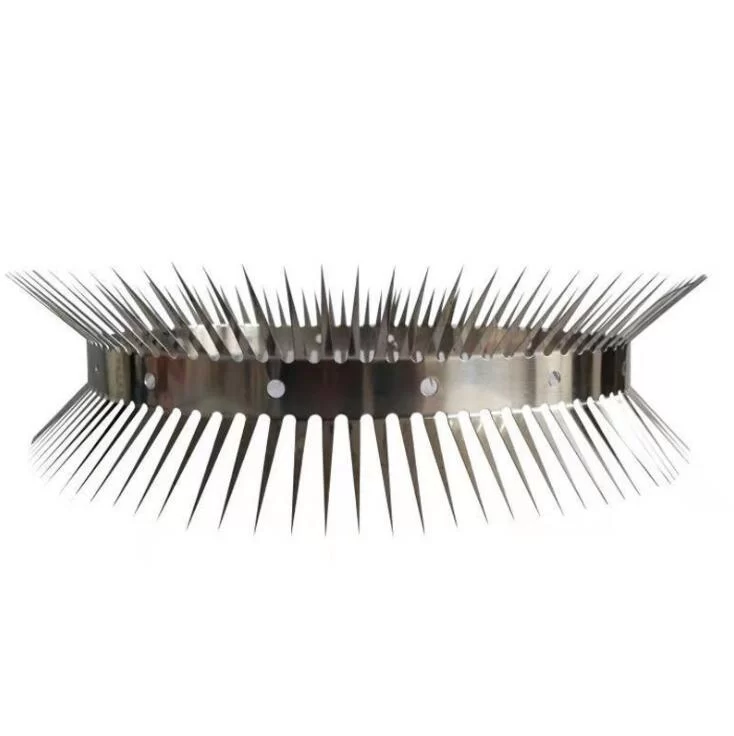
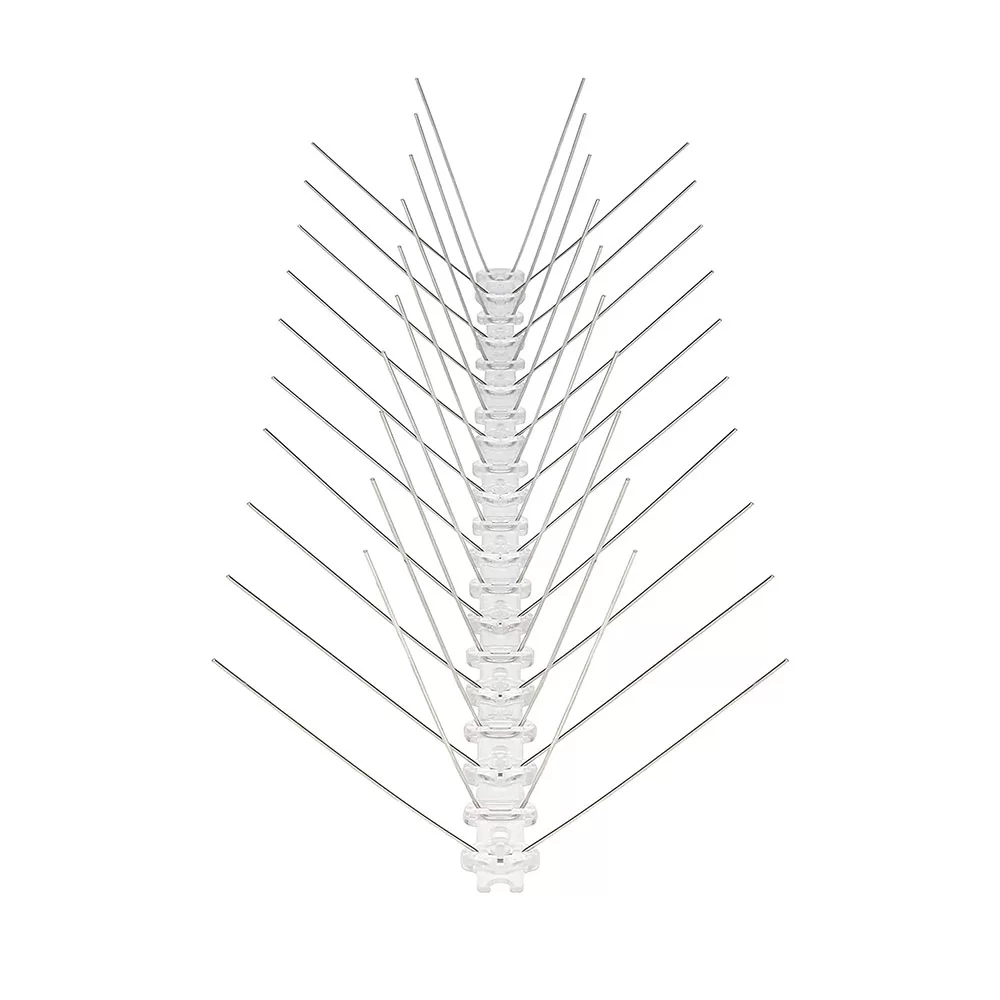
But here’s the rub: traditional bird control methods—like spikes, sound deterrents, or chemicals—often fall short in durability or environmental impact. That’s where plastic anti bird nets come in, offering a long-term, eco-friendly answer.
Mini takeaway: With global food security and sustainable development goals in focus, plastic anti bird nets help tackle real challenges in agriculture and industry.
What Exactly is a Plastic Anti Bird Net?
Simply put, a plastic anti bird net is a mesh made from durable polymer fibers designed to prevent birds from entering or perching on certain spaces. It typically features a grid or diamond-shaped pattern, balancing airflow and visibility with strength and resilience.
Its relevance goes beyond just bird control; it's part of modern pest management integrated into agricultural tech, urban infrastructure, and even humanitarian aid. NGOs working in disaster-prone areas often deploy these nets rapidly to secure food stores or shelters, helping protect vulnerable communities.
Key Characteristics that Make Plastic Anti Bird Net Effective
Durability and Weather Resistance
Many engineers emphasize that UV-stabilized polyethylene or polypropylene materials can last upwards of 5-7 years outdoors without significant degradation—crucial for harsh sun, rain, and wind. Such longevity reduces replacement needs and costs.
Scalability and Customization
These nets come in varied mesh sizes, thicknesses, and tensile strengths, which means—from delicate fruit orchards to large solar farms—you can find a proper fit. Custom cutting and easy installation also make them a favorite among field technicians.
Cost Efficiency Over Time
While initial costs might seem higher than simple wire nets or spikes, the extended lifespan and minimal maintenance balance costs well over time. Plus, fewer crop losses or facility contaminations translate into real financial savings.
Eco-friendliness
Many are now manufactured using recyclable materials or with methods reducing carbon footprints, aligning with global climate action trends.
Safety and Non-toxicity
These nets don’t harm birds directly; instead, they deter without causing injuries, which is key to wildlife preservation and regulatory compliance in many countries.
Mini takeaway: The blend of durability, safety, and adaptability makes plastic anti bird nets an indispensable tool in many fields.
How Plastic Anti Bird Nets Are Used Around the World
- In Agriculture: Farmers in Mediterranean countries use these nets extensively to protect vineyards and olive groves from starlings and sparrows.
- Fish Farming: Coastal aquaculture hubs in Southeast Asia install bird nets to protect fish from eagles and herons without interfering with feeding.
- Urban and Industrial: City warehouses and airports in Europe rely on these nets to prevent contamination and bird strike hazards.
- Humanitarian Aid: Disaster relief agencies in Africa have adopted plastic anti bird nets to camp and food storage units, contributing to greater hygiene and security.
For example, a fish farmer in Vietnam reported a 35% increase in yield after securing ponds with durable plastic nets against birds—a real game changer.
Advantages & Long-Term Benefits of Using Plastic Anti Bird Net
Aside from the straightforward advantages of crop and product protection, plastic anti bird nets offer:
- Sustainability: Reduced chemical bird repellents means less environmental contamination.
- Social Impact: Protecting food stores in vulnerable regions aids food security and community stability.
- Reliability: Netting provides a visible physical barrier that doesn’t confuse or scare animals unpredictably.
- Psychological Comfort: Farmers and industrial operators gain peace of mind knowing their investments are secure.
It feels like you’re not just buying a product—you’re investing in a quiet guardian.
Product Specifications of a Typical Plastic Anti Bird Net
| Feature |
Specification |
| Material |
UV-Stabilized Polyethylene |
| Mesh Size |
20mm x 20mm (typical), customizable |
| Tensile Strength |
Up to 120 N/cm |
| Standard Roll Size |
2m x 50m |
| Lifespan |
5-7 years (outdoor conditions) |
| Color Options |
Black, Green, Transparent |
Comparing Leading Plastic Anti Bird Net Vendors
| Vendor |
Material Quality |
Price per Roll |
Customization |
Delivery Time |
| EcoNet Solutions |
High-grade Polyethylene, 7-year UV resistance |
$75 |
Yes, various mesh sizes & colors |
2 weeks |
| BirdGuard Pro |
Standard Polypropylene, 5-year UV protection |
$65 |
Limited options |
1 week |
| GreenShield Netting |
Recycled polypropylene, 6 years UV |
$70 |
Fully customizable |
3 weeks |
Looking Ahead: Innovations and Future Trends
The future of plastic anti bird netting is tied closely to environmental responsibility and tech integration. For instance, recent research is focusing on biodegradable polymers that maintain strength but break down harmlessly after use. There's also progress in digital smart nets equipped with sensors to detect bird presence and automatically activate deterrent systems—oddly futuristic but totally plausible soon.
Additionally, automation in installation and maintenance is gaining traction, with drones inspecting net integrity in sprawling agricultural fields, saving labor and increasing precision.
Common Challenges and Smarter Solutions
Of course, no product is without quirks. Some common challenges include:
- Tangling or sagging: Poor installation can reduce effectiveness.
- Bird adaptation: Some species learn to circumvent nets over time.
- Environmental Concerns: Potential microplastic issues if nets degrade improperly.
Experts recommend rigorous installation training, routine inspection, and combining nets with other deterrent methods for best results. New coatings also help reduce wear and microplastic shedding.
Frequently Asked Questions About Plastic Anti Bird Net
Q1: How long does a typical plastic anti bird net last outdoors?
A: Most UV-stabilized plastic anti bird nets retain effectiveness for 5 to 7 years under normal weather conditions. Longevity depends on exposure intensity, material quality, and maintenance.
Q2: Can plastic anti bird nets harm birds?
A: When installed correctly, these nets do not harm birds but act as physical barriers to keep birds away safely, supporting humane pest control practices.
Q3: Are plastic anti bird nets recyclable?
A: Many manufacturers now use recyclable materials like polypropylene. Check specific product details, and proper recycling methods should be followed to minimize environmental impact.
Q4: Can I customize mesh size and color for different bird species?
A: Yes. Vendors often provide various mesh sizes and colors tailored to specific bird types and applications, from tiny songbirds to larger raptors.
Q5: Is installation complicated?
A: Installation is generally straightforward with proper guidance, using staples, hooks, or cables. Professional services are also available for complex or large-scale setups.
Wrapping Up: Why Plastic Anti Bird Nets Are Worth Your Attention
In real terms, plastic anti bird nets offer an elegant, cost-effective, and sustainable answer to a global problem impacting agriculture, industry, urban spaces, and humanitarian projects. Their balance of durability, eco-conscious design, and practical flexibility makes them a cornerstone of modern pest management.
If you’re looking to protect your assets, support sustainability, or innovate in your field, exploring plastic anti bird net options is a smart step forward. After all, keeping unwanted winged visitors at bay doesn’t have to mean compromising on the environment or your bottom line.
Take the leap—check out more information and product details today.
References:
- FAO Food Loss and Waste Report
- World Bank Agriculture Overview
- Wikipedia - Bird Abatement