What is Anti Bird Netting for Solar Panels and Why Should We Care?
Solar energy has been growing in leaps and bounds globally, and with that rise, new challenges have popped up—like pesky birds damaging panels, nesting under them, and causing efficiency drops or costly repairs. Enter anti bird netting for solar panels: a seemingly simple but incredibly important solution to protect these clean energy investments. As countries push hard for renewable energy targets set by bodies like the UN and ISO sustainability standards, ensuring the longevity and output of solar farms is no small matter.
Understanding how and why to install bird netting nets matters not just to large energy providers but also for communities investing in clean power, wildlife conservationists, and even remote industries relying on reliable power.
Mini takeaway: Protecting solar panels with proper bird barriers enhances energy yield, reduces maintenance costs, and supports global sustainability goals.
Global Context: Why Anti Bird Netting for Solar Panels is a Growing Necessity
The global solar market surpassed 1 terawatt of installed capacity recently, and it’s expected to keep growing by roughly 20% annually, according to the International Renewable Energy Agency (IRENA). With increased installations—especially large-scale solar farms in rural and semi-arid zones across Asia, Europe, and the Americas—comes the inevitable interaction with bird populations.
Birds nesting under panels can lead to shading, bird droppings that degrade panel surfaces, and wiring damage. This impacts energy efficiency between 5-15% in some locations—a surprisingly high figure that disrupts return on investment calculations for solar developers.
Anti bird netting for solar panels provides an effective way to combat these issues, meeting rising quality standards from global organizations like ISO 14001 for environmental management.
What Exactly is Anti Bird Netting for Solar Panels?
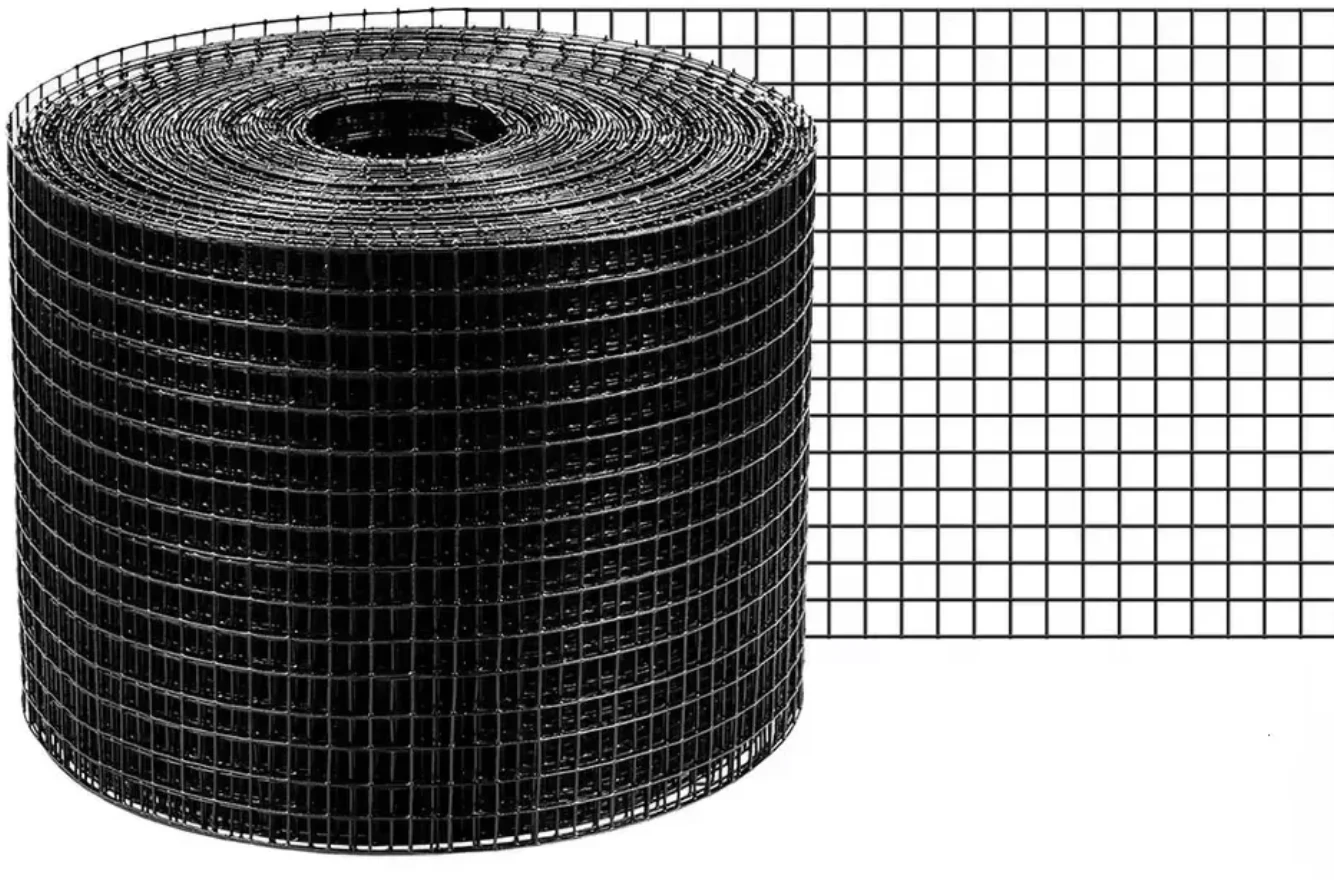
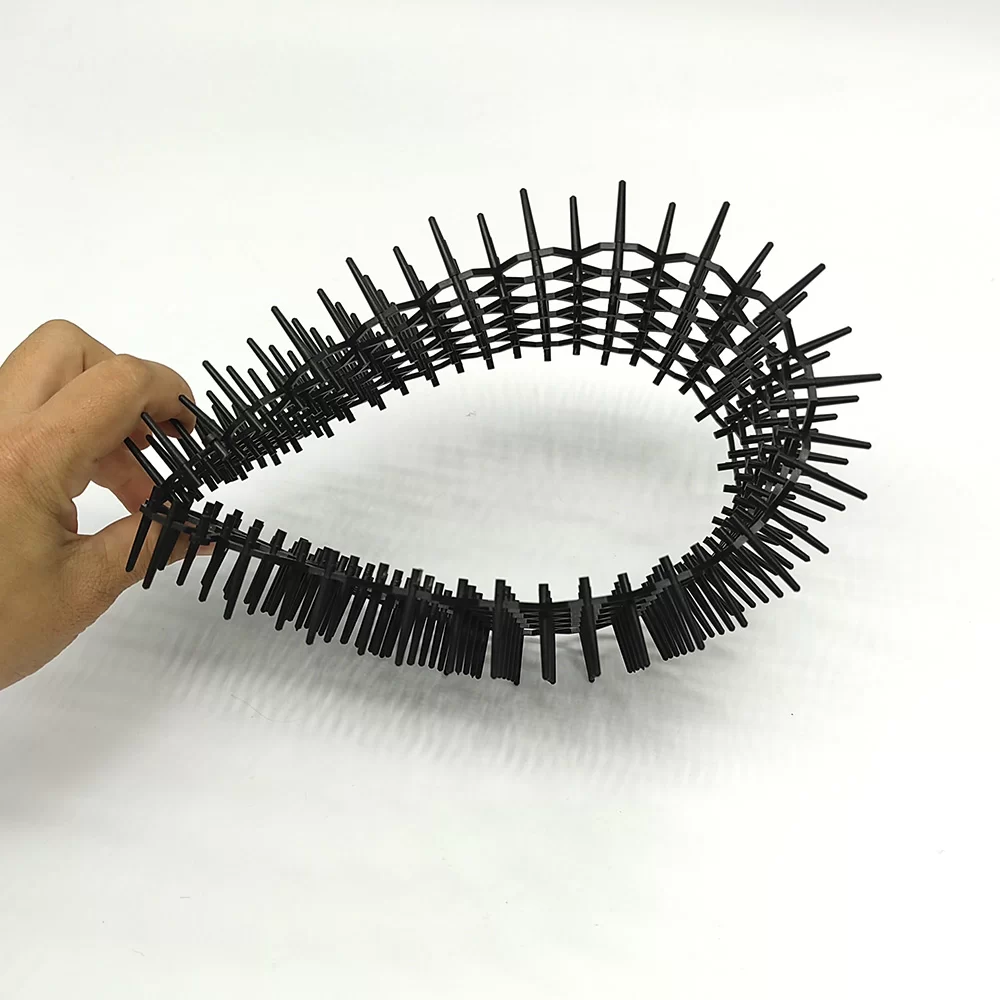
Simply put, it's a specially designed mesh or netting that covers or surrounds solar panel arrays to prevent birds from accessing the space beneath. The netting serves as a physical barrier that deters nesting, roosting, or perching behaviors.
This seemingly basic layer of defense connects to broader industry trends focusing on asset protection and wildlife-friendly engineering. Not only does it preserve panel function, but it also minimizes harm to local bird populations, aligning with humanitarian concerns about preserving biodiversity.
Critical Aspects of Anti Bird Netting for Solar Panels
1. Durability
Good bird netting must withstand the sun’s UV rays, wind, rain, and temperature extremes without degrading for at least 10–15 years. Materials like polyethylene or polypropylene reinforced with UV inhibitors are common.
2. Ease of Installation
Netting that can be quickly installed or removed helps with maintenance scheduling and reduces labor costs. Snap-on fittings or modular frames are increasingly popular features.
3. Cost Efficiency
While initial investment varies by material quality and panel layout, bird netting is often cheaper than the damage it prevents. Plus, longevity of netting offsets early expenses.
4. Environmental Impact
Eco-friendly, recyclable materials and bird-safe designs (without sharp edges) meet both operational and ethical standards.
5. Customization & Scalability
Netting can be tailored to fit large solar farms or smaller rooftop arrays. Color choices (like black or green) also help reduce visual impact.
Mini takeaway: Choosing netting that balances durability, environmental friendliness, and installation ease pays off long-term.
Typical Specifications of Popular Anti Bird Netting Products
| Specification |
Standard Poly Net |
UV-Stabilized Net |
Eco-Friendly Biopolymer Net |
| Material |
Polyethylene |
Polypropylene + UV inhibitors |
Biopolymer composite |
| Mesh Size |
1.5 cm x 1.5 cm |
1.2 cm x 1.2 cm |
1 cm x 1 cm |
| UV Resistance |
Up to 2 years |
Up to 10 years |
8 years |
| Weight per sqm |
40g |
55g |
50g |
| Typical Price Range |
$1.50 – $2.00 / sqm |
$2.50 – $3.50 / sqm |
$3.00 – $4.00 / sqm |
Global Reach: How and Where This Solution is Making a Difference
From arid deserts in the American Southwest to sprawling farms across India, anti bird netting is increasingly part of the solar power toolkit. For instance, rural electrification projects in Southeast Asia have seen efficiency gains of over 10% simply by adding bird netting.
Industrial zones prone to pest birds near Europe’s expanding solar farms also rely on netting to reduce damage and unplanned downtime. Oddly enough, even urban rooftop installations in cities like Berlin or Sydney now use lightweight, virtually invisible netting to keep pigeons and sparrows away without disturbing aesthetics.
In post-disaster humanitarian setups, ensuring power generation for communication and basic needs without bird interference is critical, showing the intersection of technology and relief efforts.
Mini takeaway: Anti bird netting protects solar investments everywhere—from mega farms to humble rooftops and emergency setups.
The Real Benefits of Anti Bird Netting for Solar Panels
- Cost savings: Less maintenance and panel replacement reduces operating expenses.
- Efficiency improvements: By preventing shading and droppings, netting keeps output steady.
- Sustainability: Protecting solar panels supports clean energy goals and reduces waste.
- Wildlife friendly: Designed to avoid bird entanglements, it balances ecology and technology.
- Peace of mind: Operators and investors trust that their assets are safeguarded.
Future Trends: What Comes Next in Bird Protection and Solar Panels?
New materials incorporating biodegradable fibers are gaining traction, aiming to reduce plastic waste from netting eventually. Meanwhile, smart sensor technology is being piloted to detect bird activity and trigger mild deterrents without harming wildlife.
Automation could soon allow drones to inspect and repair net installations, speeding up maintenance. On a regulatory front, more countries are integrating bird protection plans into solar installation permits.
Addressing Challenges: What Stands in the Way?
Some drawbacks include initial installation costs, netting durability in extreme climates, and occasional entanglement risks if poor-quality netting is used. There’s also the challenge of balancing aesthetics and effective coverage, especially for rooftop solar in urban areas.
Experts suggest using high-grade UV-stabilized materials, designing modular attachment systems for easy repairs, and continuous monitoring to minimize issues. Education campaigns around proper installation practices go hand in hand.
Vendor Snapshot: Popular Suppliers Compared
| Vendor |
Material Quality |
Price Range |
Installation Support |
Geographical Reach |
| SolarGuard Nets |
Premium UV-stabilized polypropylene |
$$$ |
Yes, global |
North America, EU, Asia |
| BirdSafe Solutions |
Standard polyethylene |
$ |
Limited |
Europe, Australia |
| EcoNet International |
Biopolymer composites |
$$ |
Yes, focused |
Global |
FAQ: Your Most Common Questions on Anti Bird Netting for Solar Panels
Q: How long does anti bird netting usually last on solar panels?
A: Depending on material and environment, most good quality netting lasts between 8 to 12 years. UV-stabilized nets extend lifespan significantly. Regular inspections help catch wear early.
Q: Will netting affect solar panel efficiency by blocking sunlight?
A: No, properly installed netting is positioned below panels or at an angle so sunlight isn’t obstructed. The mesh is fine enough to prevent birds but lets light through freely.
Q: Is anti bird netting safe for local bird populations?
A: Yes. Modern netting designs avoid entanglement risks, using smooth materials and proper tension. Animal welfare regulations increasingly require non-harmful installations.
Q: Can I install bird netting on a rooftop solar system myself?
A: Yes, if you follow manufacturer guides and safety practices. However, for large or complex systems, professional installation ensures optimal fit and durability.
Q: How can I buy anti bird netting for solar panels internationally?
A: Many vendors like those listed offer global shipping and support. Work with reputable suppliers and check import regulations to ensure smooth delivery.
Wrapping Up: The Long-Term Value of Anti Bird Netting for Solar Panels
So, at the end of the day, investing in anti bird netting for solar panels is about preserving a green future, saving money, and coexisting thoughtfully with nature. Whether you manage a cutting-edge solar farm or a small community project, this simple barrier matters. It boosts output, reduces headaches, and fits into a world where sustainability is more than a buzzword.
If you’re curious about finding the right solution, exploring innovative materials, or simply want to see what fits your needs, visit our website. Because protecting your solar panels doesn’t have to be complicated—it should just work.
And who knows? Your local birds might thank you too, even if in their own feathery way.
References
- International Renewable Energy Agency (IRENA)
- Wikipedia: Solar Panel
- ISO 14001 Environmental Management