Why Anti Bird Netting for Buildings Matters Worldwide
Birds are more than just urban background noise or beautiful glimpses of nature—they can sometimes create real headaches for building owners. The presence of birds around structures isn’t just a matter of aesthetic nuisance; it has tangible economic, health, and safety implications. That’s where
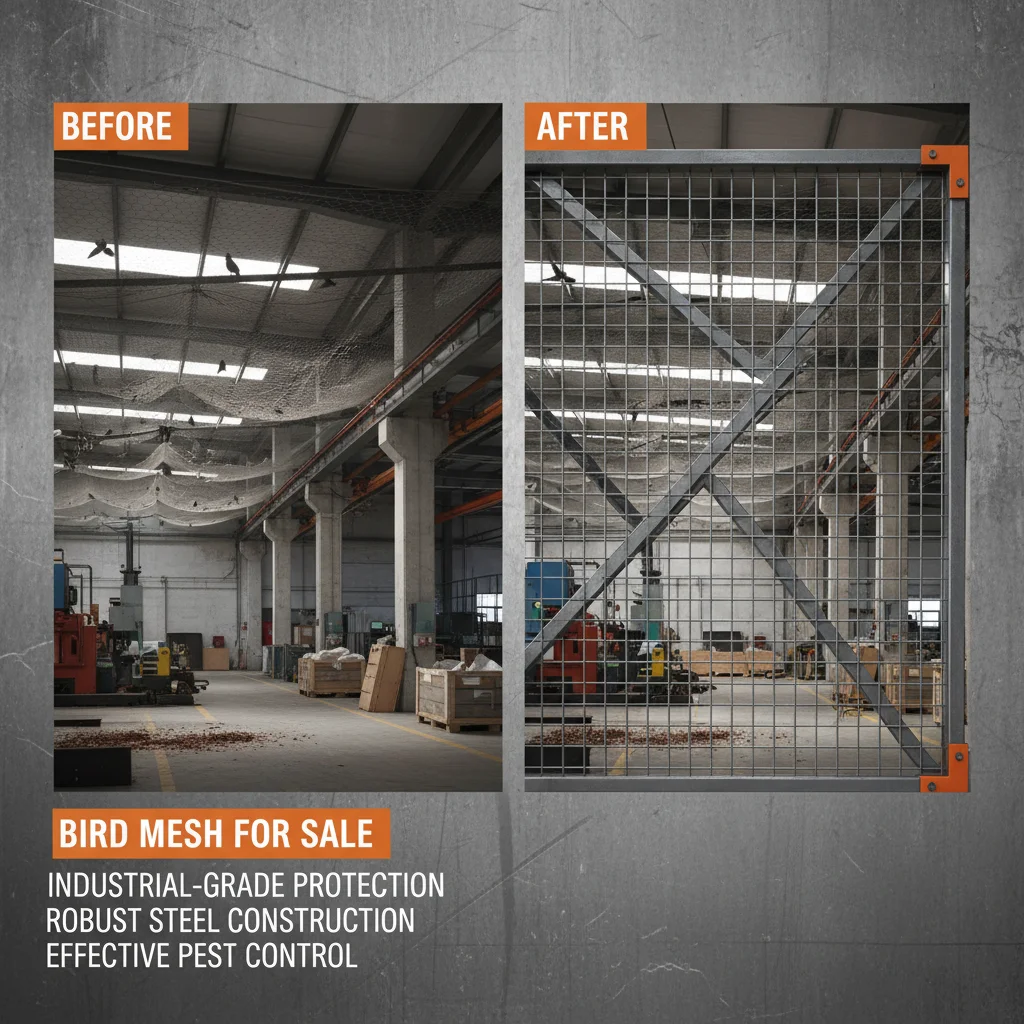
anti bird netting for buildings comes in, a practical yet often underestimated solution. Globally, as urbanization soars with over 56% of the world population living in cities (UN, 2022), interactions between birds and buildings escalate. Damage to property, spread of diseases, and maintenance challenges increase costs and complicate city living. Understanding anti bird netting’s role can save money, boost hygiene, and preserve structural integrity while showing respect for urban wildlife.
Mini takeaway:
Anti bird netting offers a straightforward defense against bird-related issues, with benefits echoing from local homeowners to large infrastructure projects worldwide.
The Global Importance of Anti Bird Netting for Buildings
Urban areas from New York to New Delhi, and Melbourne to Cairo, share a common issue: bird interference. According to the World Bank, building maintenance and cleaning costs linked to bird excrement and nesting can increase by up to 15% annually in dense urban zones. Moreover, the accumulation of droppings triggers corrosion and degradation of facade materials, insulation, and ventilation systems—often shortening building lifespan and inflating repair expenses.
But the problem is not only financial. Bird droppings can carry
psittacosis and histoplasmosis, potentially affecting residents and workers. These diseases have prompted organizations to recommend proactive prevention methods. Anti bird netting addresses all these concerns by physically blocking birds from roosting and nesting sites without harming them.
Mini takeaway:
Beyond financial losses, bird-related hazards touch public health and urban sustainability, spotlighting netting as a preventive measure embraced globally.
What Exactly Is Anti Bird Netting for Buildings?
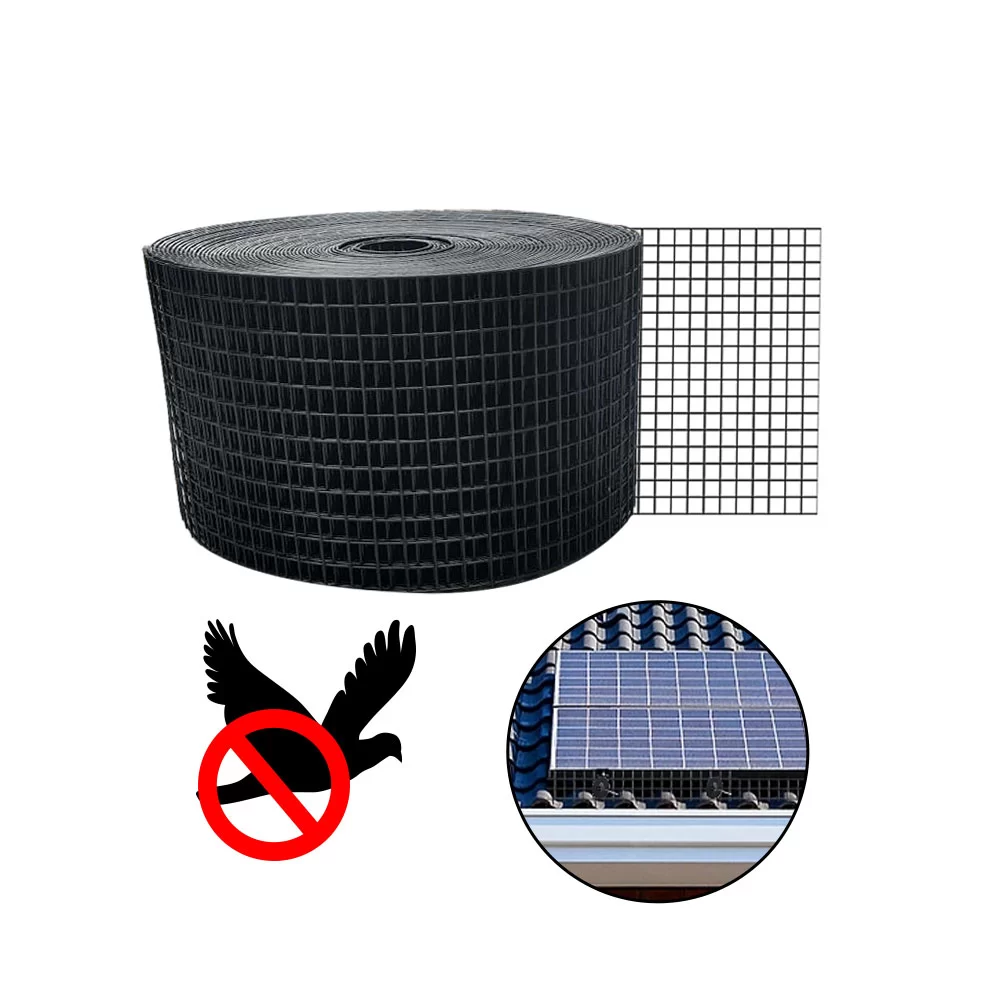
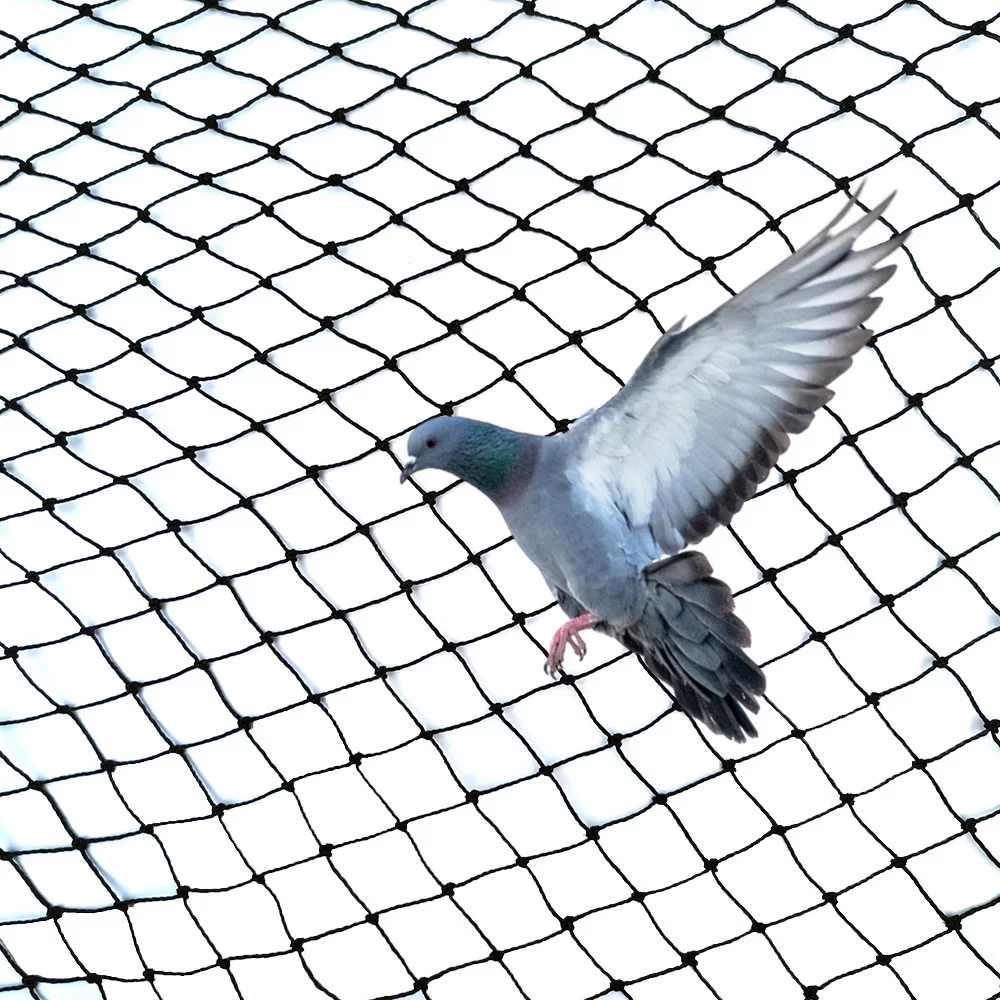
Simply put, anti bird netting is a protective mesh barrier installed on building surfaces—think ledges, eaves, balconies, rooftops, and ventilation shafts. Its goal: prevent birds from accessing spaces where they’d nest, roost, or cause damage. Typically made from UV-stabilized polypropylene, polyethylene, or nylon, this netting balances durability and flexibility. The mesh size varies, just wide enough to keep out unwanted guests, yet allowing airflow and maintaining aesthetic neutrality.
Its application connects to broader industries such as commercial real estate development, historic preservation, and public infrastructure maintenance. In humanitarian contexts, like post-disaster rebuilds, keeping habitats bird-free supports cleaner, safer shelter environments.
Mini takeaway:
The right anti bird netting blends technical design with practical considerations, fitting seamlessly into modern building strategies.
Core Aspects of Effective Anti Bird Netting
Durability and Material Quality
Bird netting must endure weather extremes, UV rays, and potential bird pecking. Polyethylene, treated for UV resistance, often outperforms others in lifespan (5-10 years roughly). Lightweight materials make installation safer and quicker, but they shouldn’t sacrifice strength.
Mesh Size and Design
This is crucial — too small, and air circulation suffers; too large, and birds squeeze through. Common mesh sizes range from 19mm to 25mm, tailored to species prevalent in the region. Oddly enough, what works well on skyscrapers might not cut it on low-rise apartments.
Ease of Installation and Maintenance
Installation methods vary: cable-supported frames, tensioned systems, or adhesive mounts. Those working on historic sites favor non-invasive fixings. Regular inspections keep the mesh intact, preventing birds finding weak spots. This aspect often decides long-term success.
Cost Efficiency and Scalability
While upfront costs might deter some property owners initially, the savings from fewer repairs and cleaning balance out. Modular nets enable scalable solutions, useful for expansive commercial properties or intricate architectural forms.
Aesthetic Considerations
For buildings in high-profile or heritage areas, netting must be discreet—black or dark green nets blend naturally with shadows and building colors, preserving visual appeal.
Mini takeaway:
Getting anti bird netting right means balancing material science, design precision, and practical logistics tailored to specific building needs.
Where and How is Anti Bird Netting Used Globally?
Anti bird netting has found homes on skyscrapers in Singapore, historic cathedrals in Rome, airports in Dubai, and stadiums in Brazil. The hospitality industry often deploys it on balconies and rooftops, protecting guests while preserving views. Governments embrace it in transportation hubs to reduce bird strikes on aircraft and maintain hygiene.
In disaster relief scenarios, such as refugee camps or temporary shelters, netting keeps open-air dormitories bird-free, improving sanitation and resident comfort.
Anti bird netting for buildings also supports agricultural sites by protecting food storage facilities from contamination.
Mini takeaway:
The global footprint of bird netting spans diverse industries and geographies, underpinning safety, hygiene, and asset preservation consistently.
Advantages and Long-Term Benefits
The biggest win, frankly, is cost savings. Maintenance teams report fewer invasive cleanups and less exterior damage. On the social side, residents experience less noise and unpleasant odors, improving quality of life. Environmentally, bird netting avoids harmful chemicals or lethal traps, aligning with humane wildlife management principles.
Long-term reliability means fewer emergency repairs and less disruption—valuable to property managers juggling multiple priorities. And it fosters a respectful coexistence with urban wildlife, subtly reinforcing sustainability goals.
Mini takeaway:
Anti bird netting proves cost-effective, humane, and sustainable—attributes that appeal to both logic and compassion in urban care.
Trends and Innovations to Watch
Emerging green materials like biodegradable nets or recycled polymers promise to reduce environmental footprints further. Smart netting systems integrated with sensors detect breaches or damage, automating maintenance alerts.
Policy shifts, such as urban wildlife protection guidelines from ISO and local councils, encourage non-lethal bird control, priming the industry for increased adoption. Digital modeling helps architects incorporate netting seamlessly during design—less retrofitting, more upfront planning.
Mini takeaway:
The future of anti bird netting ties into sustainability, technology, and smarter urban planning, making it an even smarter choice tomorrow.
Challenges and Practical Solutions
Two common hurdles: installation difficulty on complex architectural forms and aesthetic concerns in heritage areas. Smaller providers sometimes offer one-size-fits-all solutions that don’t hold up.
Expert advice? Engage designers early, choose modular kits compatible with non-invasive attachment, and invest in UV-stabilized materials for durability. Maintenance protocols like periodic net tension checks and prompt repairs reduce failures.
Mini takeaway:
Challenges exist but with expert guidance and quality materials, anti bird netting is a durable, adaptable solution.
Product Specification Table
| Feature |
Specification |
Standard/Notes |
| Material |
UV-stabilized Polyethylene |
ISO 4892-3 compliant |
| Mesh Size |
19mm to 25mm |
Chosen per bird species |
| Tensile Strength |
> 400 N/cm |
Ensures structural resilience |
| Thickness |
1.2mm avg |
Balanced durability & weight |
| UV Resistance |
Up to 10 years |
Field-tested in multiple climates |
Vendor Comparison Table
| Vendor |
Material Quality |
Installation Support |
Custom Solutions |
Price Range |
| NestGuard Systems |
High-end polyethylene |
Full installation training |
Yes |
$$$ |
| EcoSafe Netting |
Recycled materials |
Limited online resources |
No |
$$ |
| UrbanShield Ltd. |
Standard nylon mesh |
Consultation available |
Yes |
$ |
FAQ: Frequently Asked Questions About Anti Bird Netting for Buildings
Q1: How long does anti bird netting typically last on buildings?
A1: Generally, high-quality UV-stabilized bird netting can last between 5 to 10 years depending on climate exposure and maintenance. Harsh sun, heavy winds, and local bird species’ activity can shorten lifespan—periodic inspections help catch weak spots early.
Q2: Can anti bird netting damage building facades or historic architecture?
A2: When installed properly with non-invasive fixing systems, netting causes no harm. For historic or delicate buildings, custom brackets and tensioning reduce pressure on surfaces. Early design collaboration is key to balance protection with preservation.
Q3: Is netting safe and humane for birds?
A3: Absolutely. Anti bird netting acts as a physical barrier without traps or poisons. It prevents nesting but doesn’t harm or capture birds, supporting ethical wildlife management in urban areas.
Q4: How do I choose the right mesh size for my building location?
A4: Mesh size depends largely on the species present. For smaller birds like sparrows, 19mm is ideal; for larger birds like pigeons or gulls, 25mm works better. Local wildlife experts or vendors can provide tailored advice.
Q5: Can anti bird netting be used on irregular surfaces or curved architectures?
A5: Yes, specialized nets and mounting systems exist for complex shapes. Cable-supported or stretchable nets conform well to curves and corners without sagging or gaps.
In Conclusion: A Clear Case for Anti Bird Netting
Taking a long-term view, anti bird netting for buildings isn’t just a maintenance tool—it’s a cornerstone of urban habitat management, health protection, and cost control. It blends science, design, and empathy, creating a cleaner, safer, and more harmonious environment in bustling cities and quiet suburbs alike. If bird-related damage or hygiene concerns have been on your radar, it’s worth checking out the options.
Visit our website:
https://www.hbarcherfish.com to explore tailored anti bird netting solutions that suit your buildings, budgets, and bird problems. It might seem like a small addition—but you’ll be amazed at the peace of mind it brings.
Mini takeaway:
Investing in quality anti bird netting is an investment in resilience, comfort, and sustainability that repays over a building’s lifetime.
References
- United Nations World Urbanization Prospects (2022)
- Wikipedia: Psittacosis
- ISO 4892-3: Plastics — Weathering methods